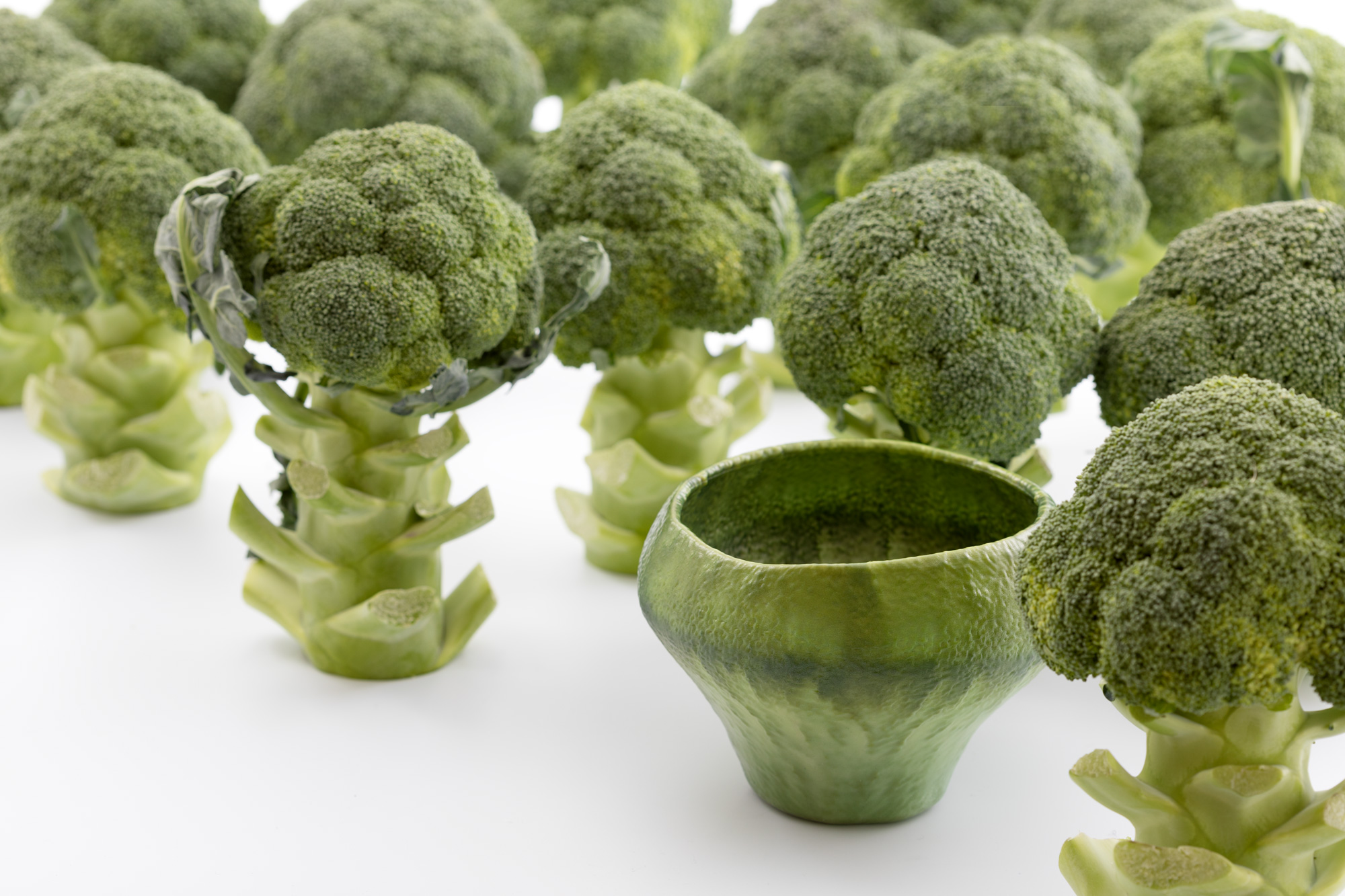
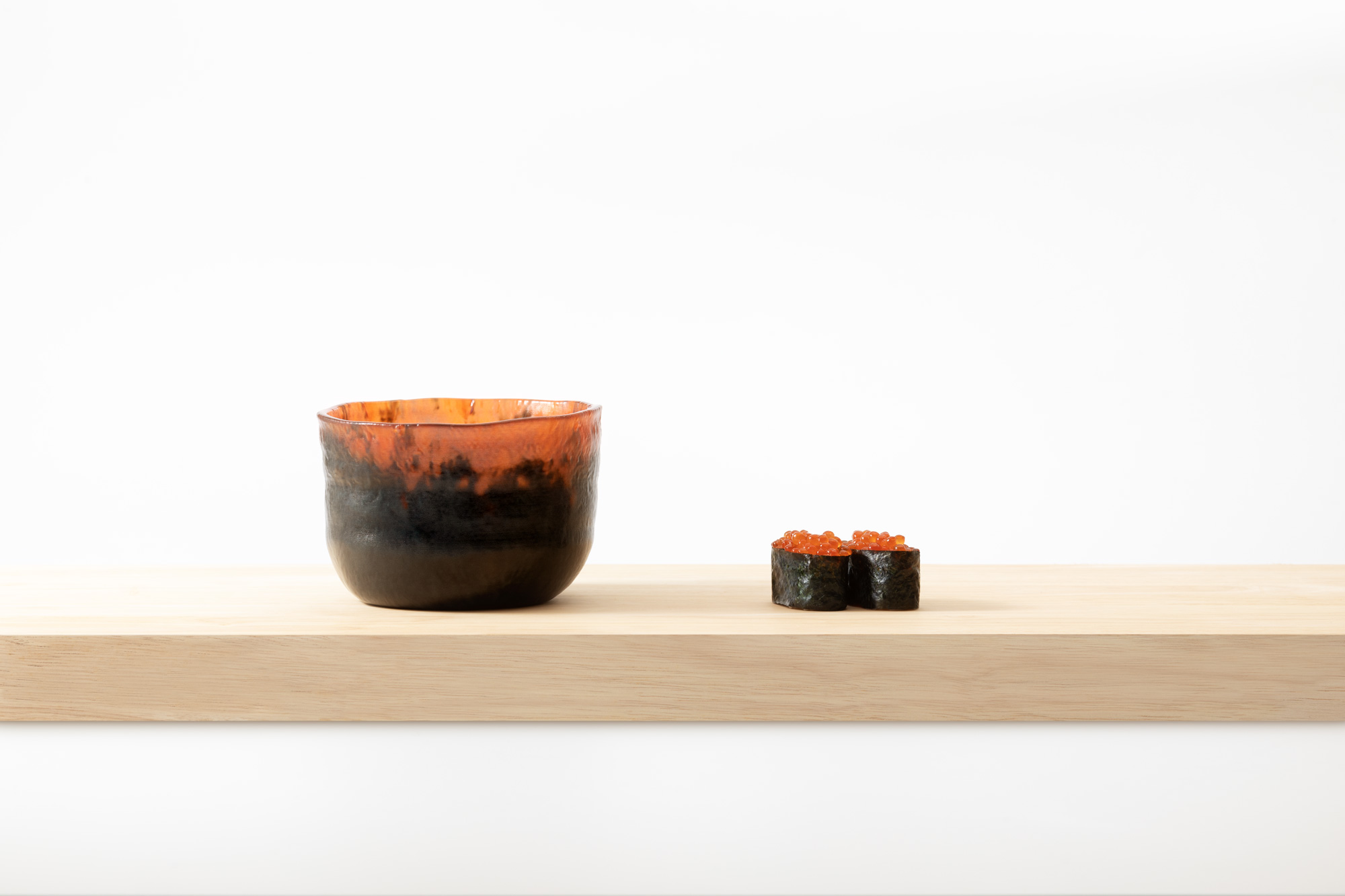
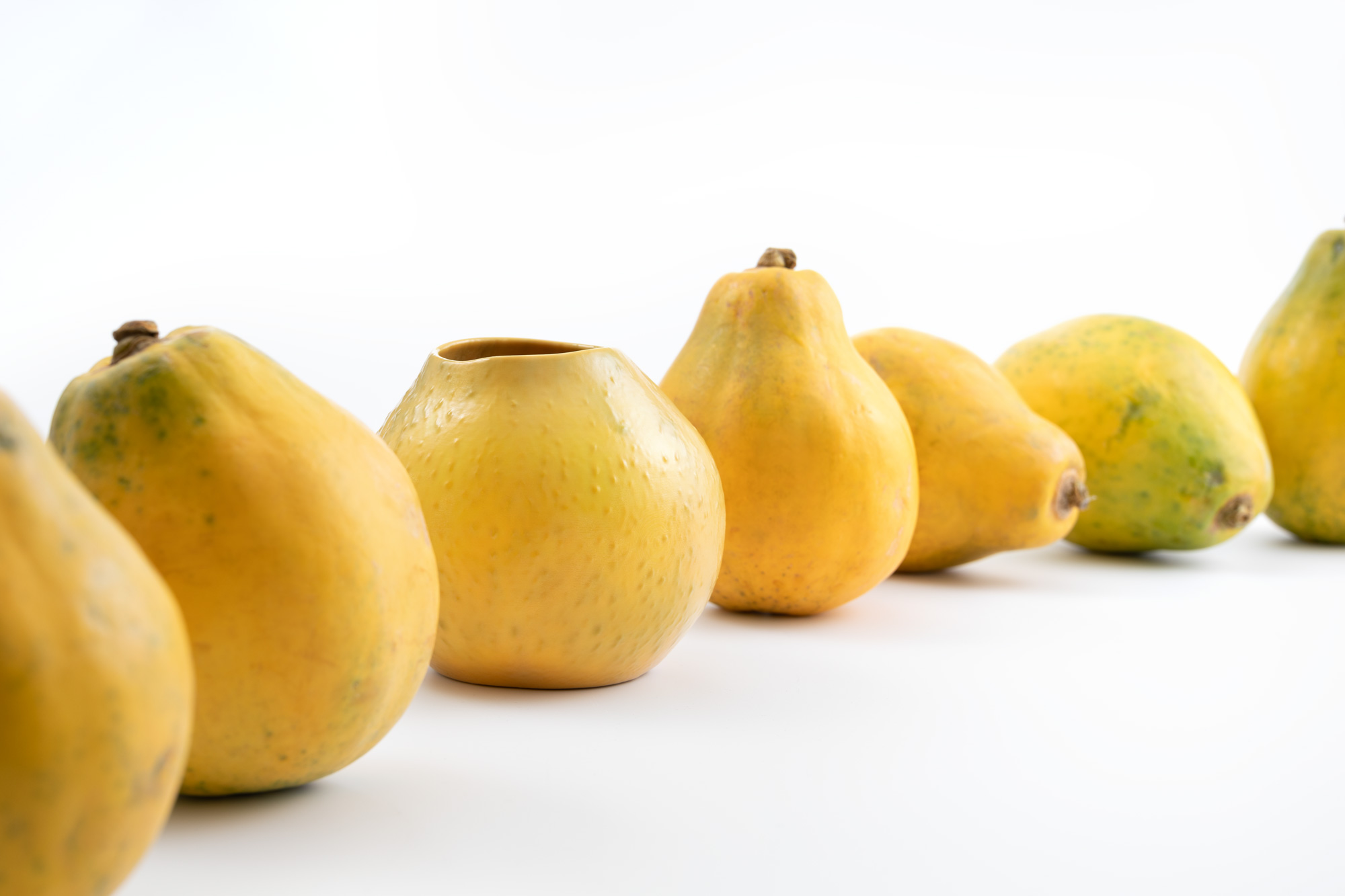
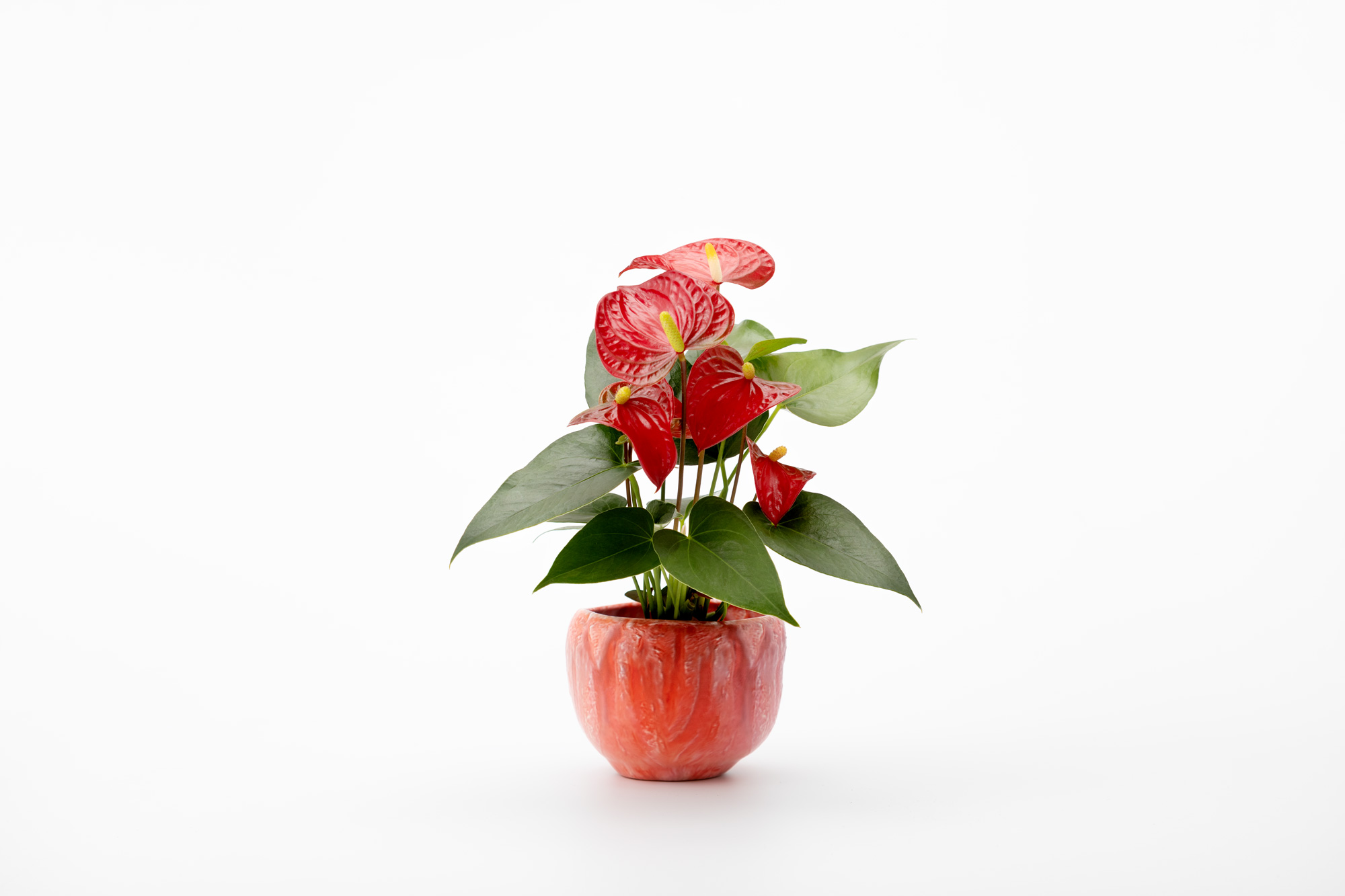
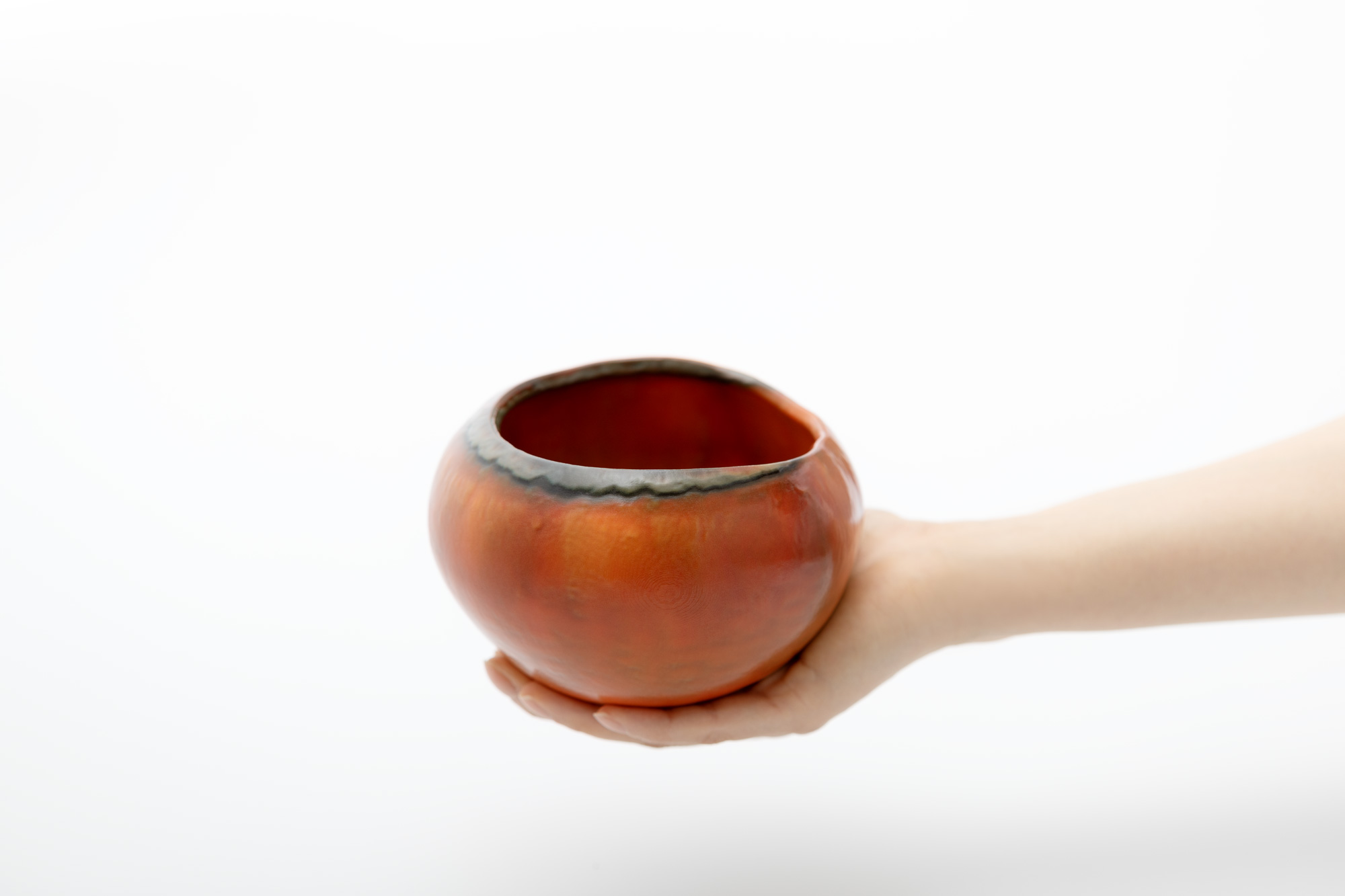
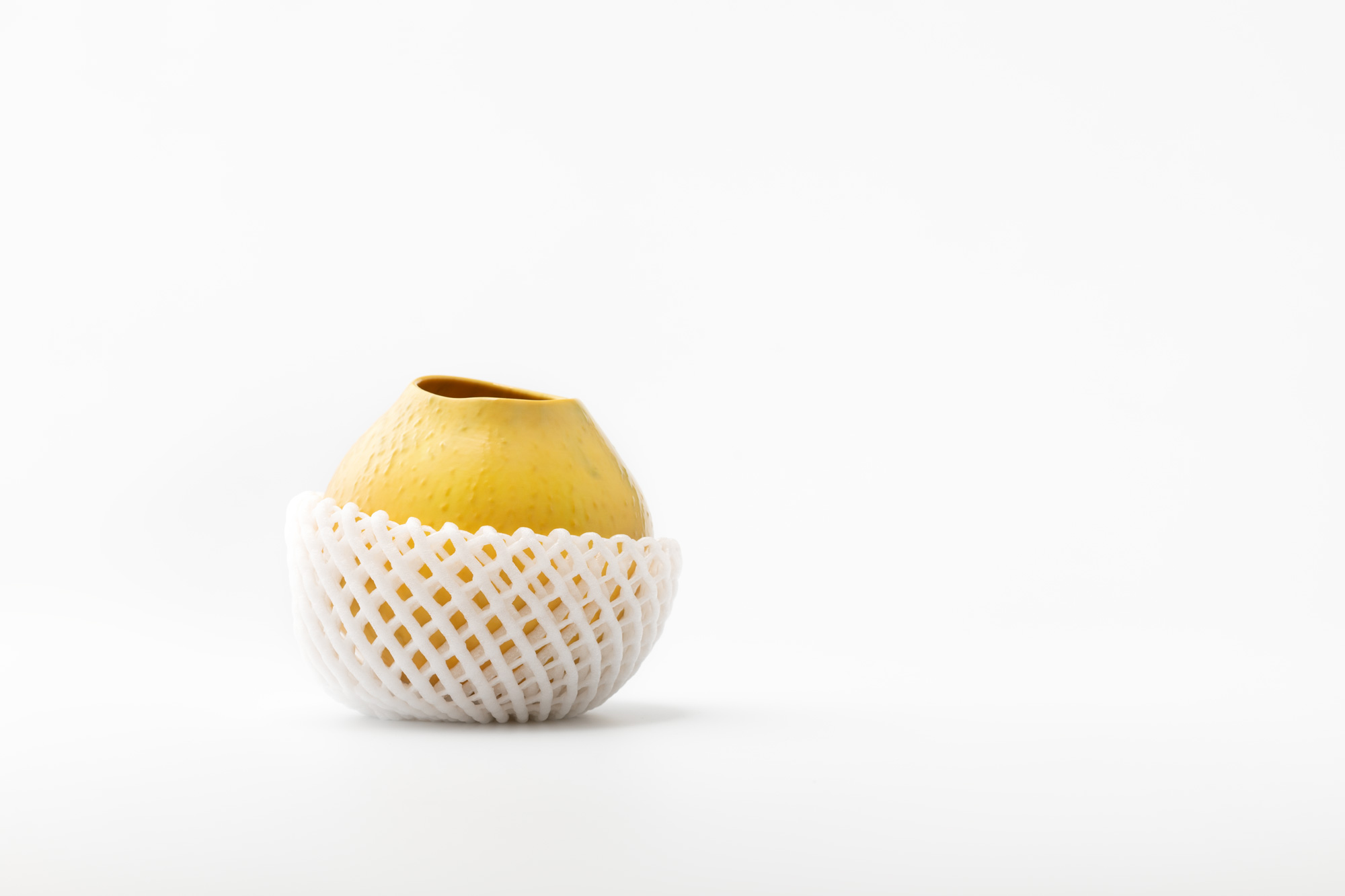
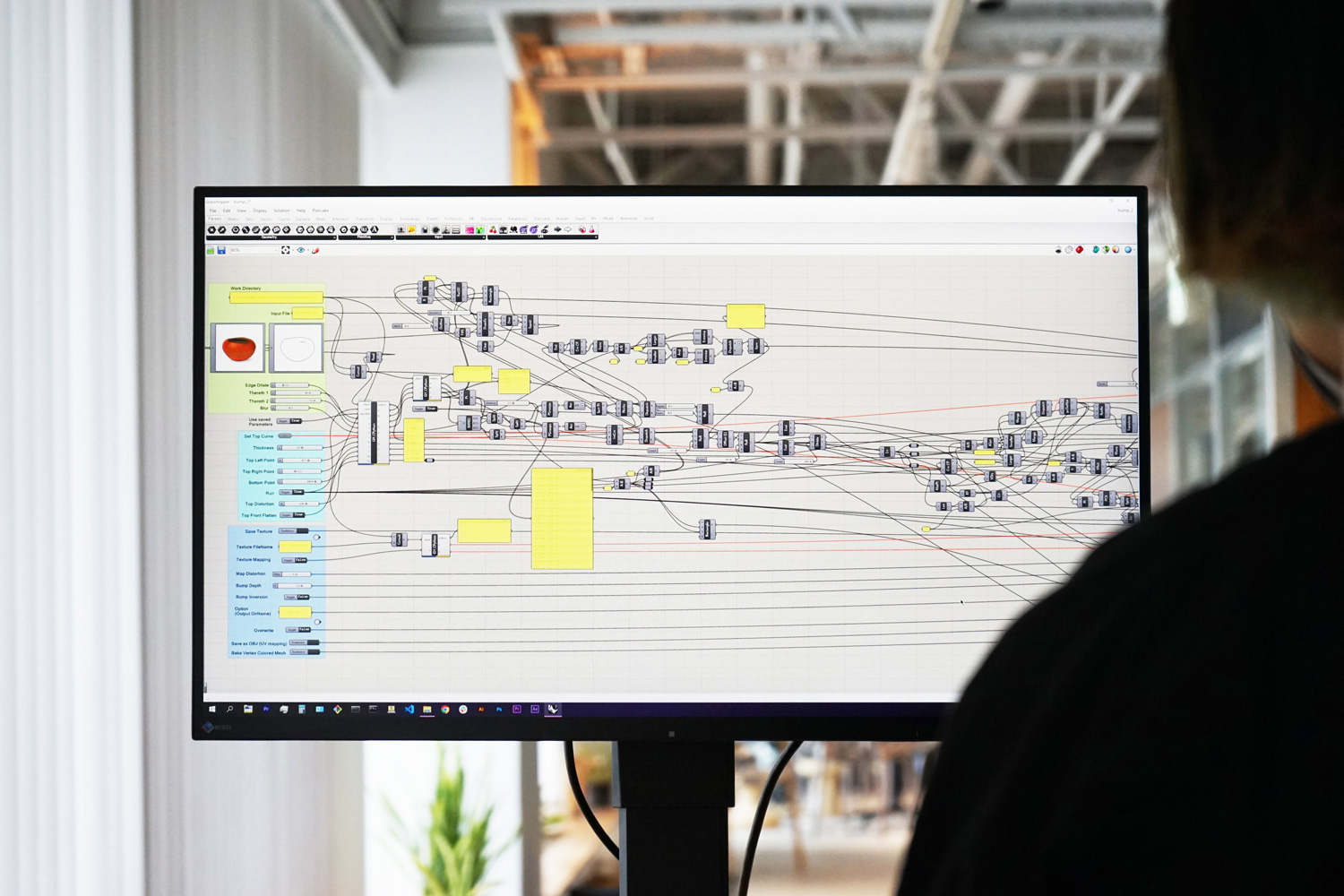
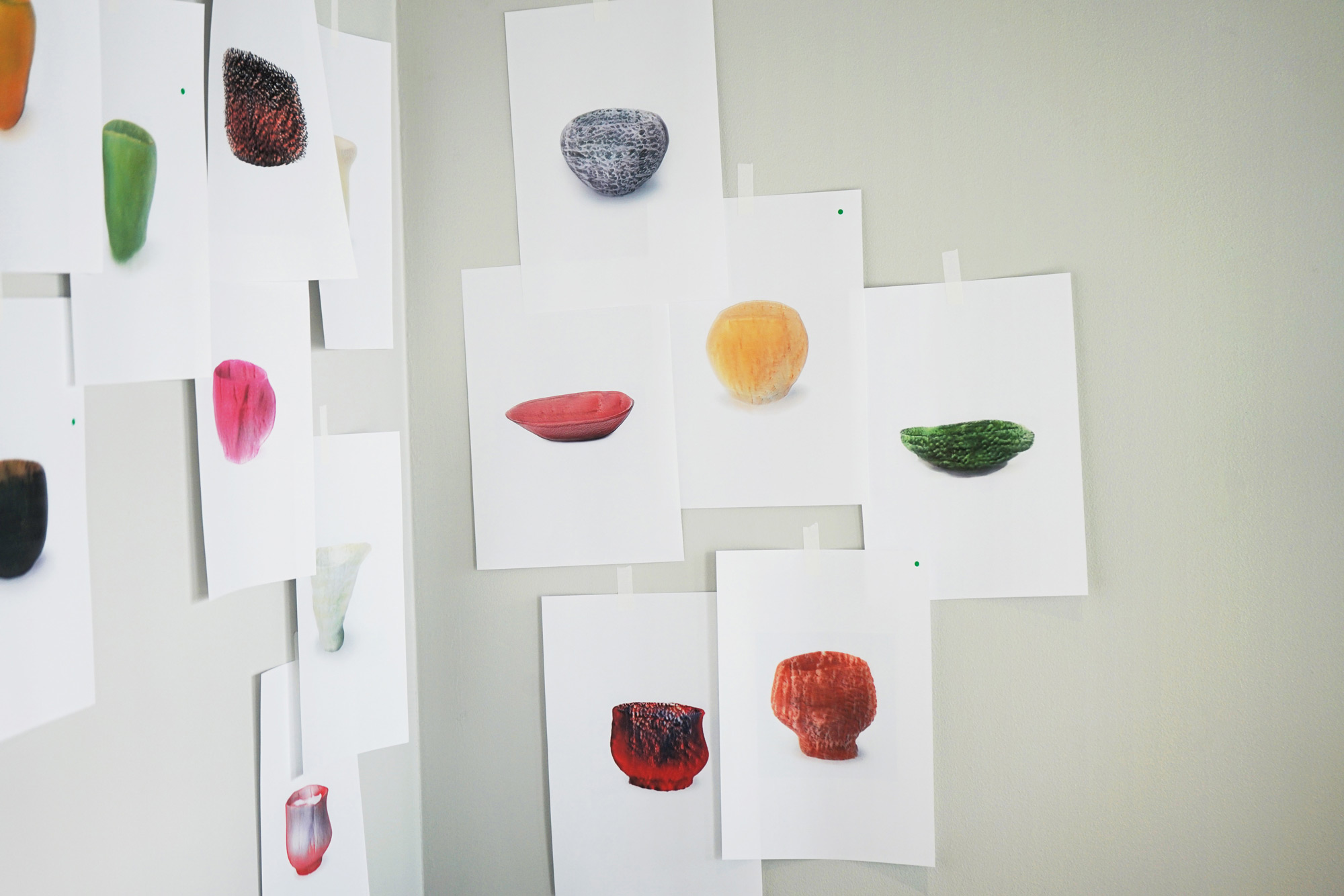
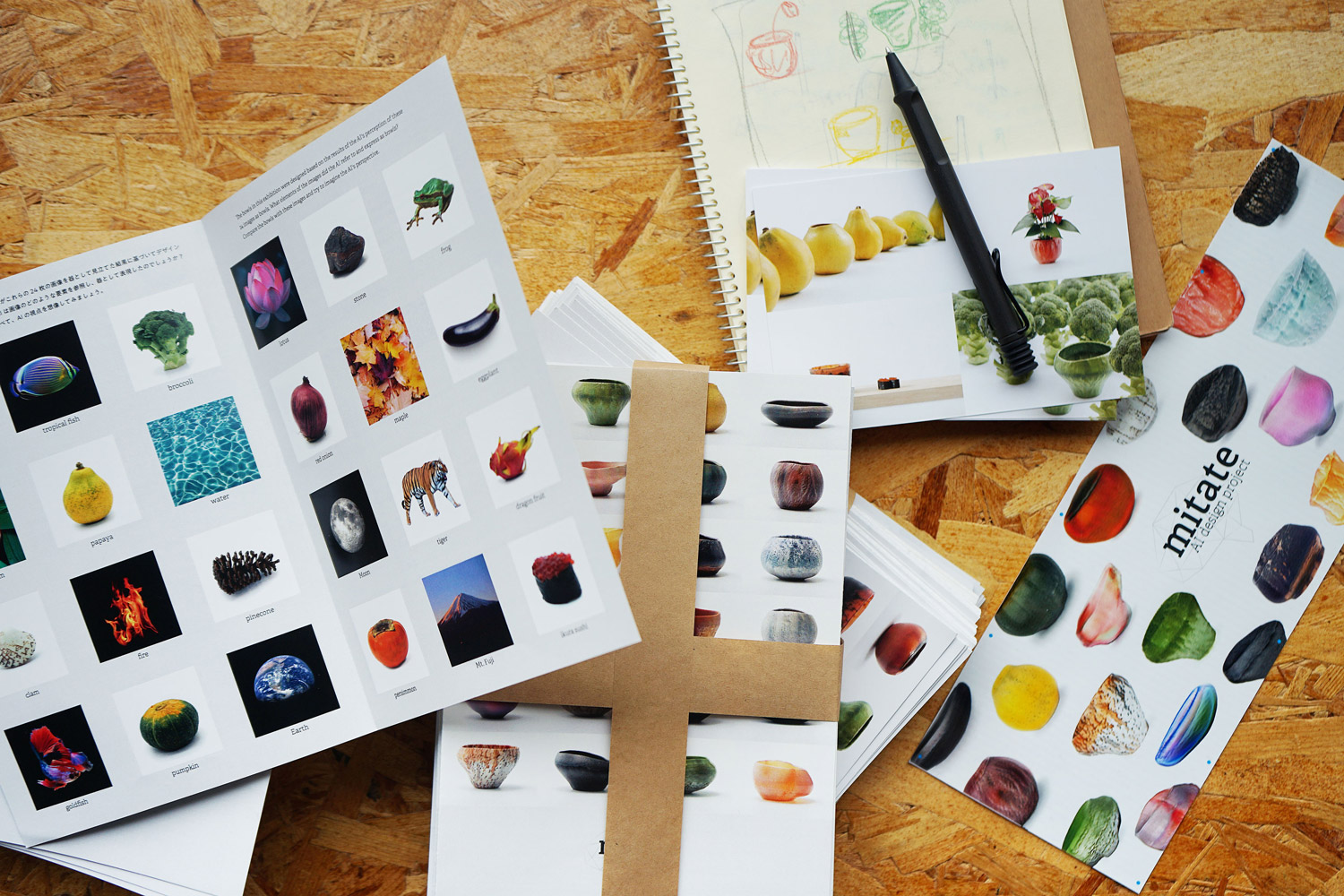
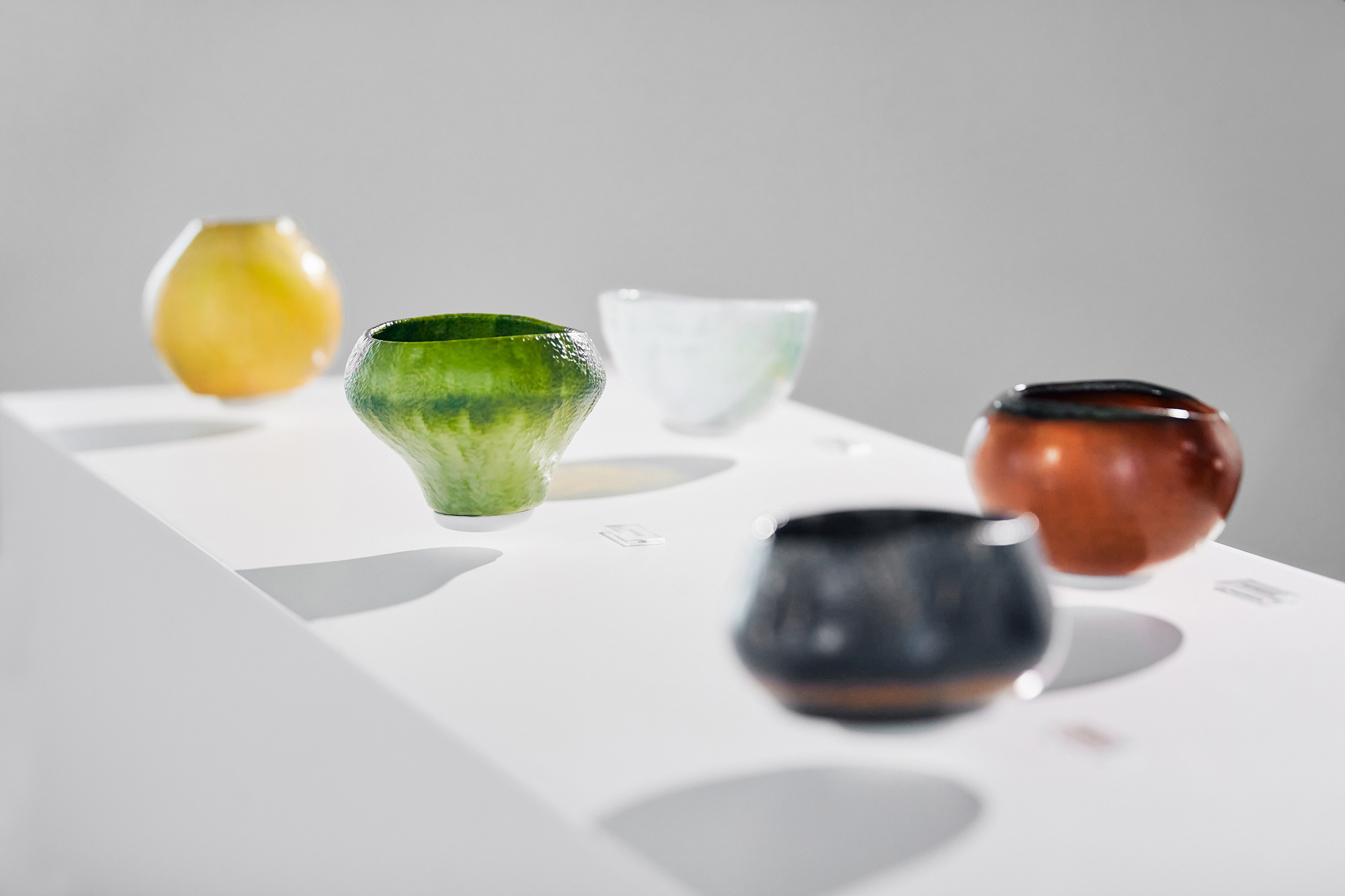
In this project, we built an image-generating AI* (GAN) that studies images of vessels. We named it mitate AI, and through its unique neural network, it “mitate” (observation in Japanese) the input image and generated images of non-existent vessels.
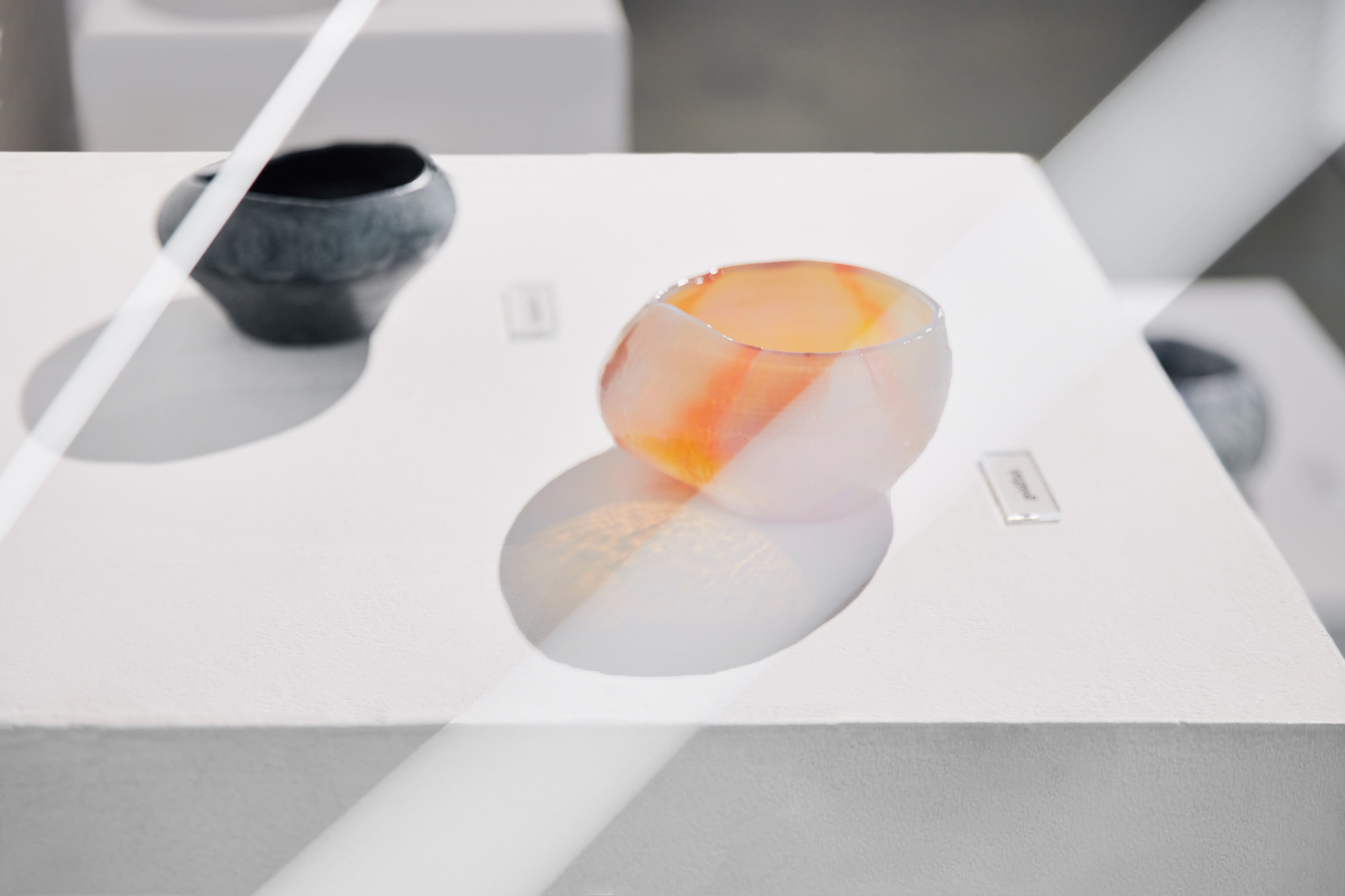
Due to the nature of the neural network, the generated vessel image differs in color and shape each time as if it were an incidental design emerging from the firing of an actual vessel. The designer selects a design that he or she finds beautiful from among the randomly generated images and realizes it as a product.
Through the mitate project, designers experienced the process of collaboration between designers and AI in the creation of products, in which designers work with AI to come up with ideas and finalize designs that they could not have conceived solely on their own knowledge and experience.
Research
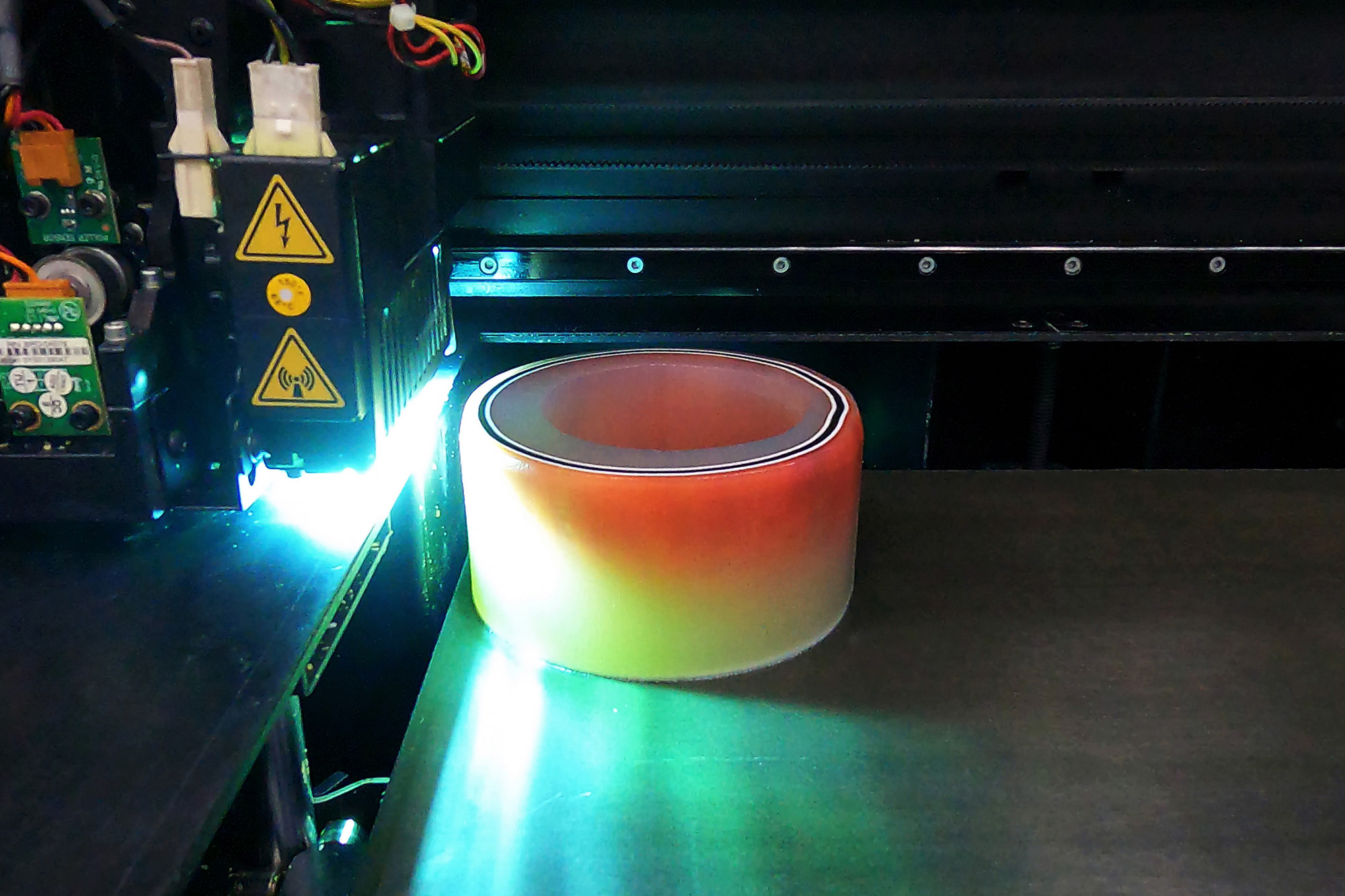
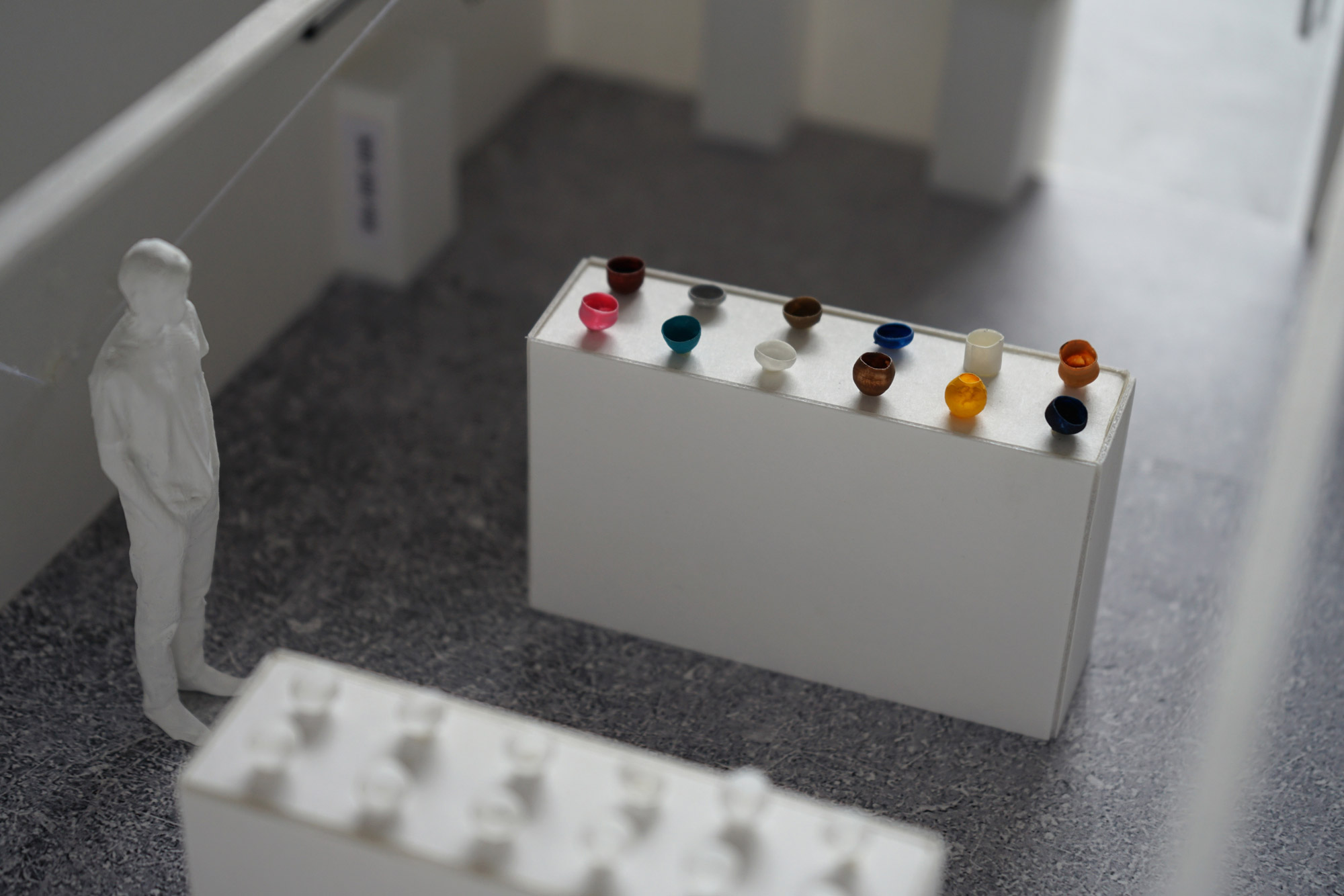
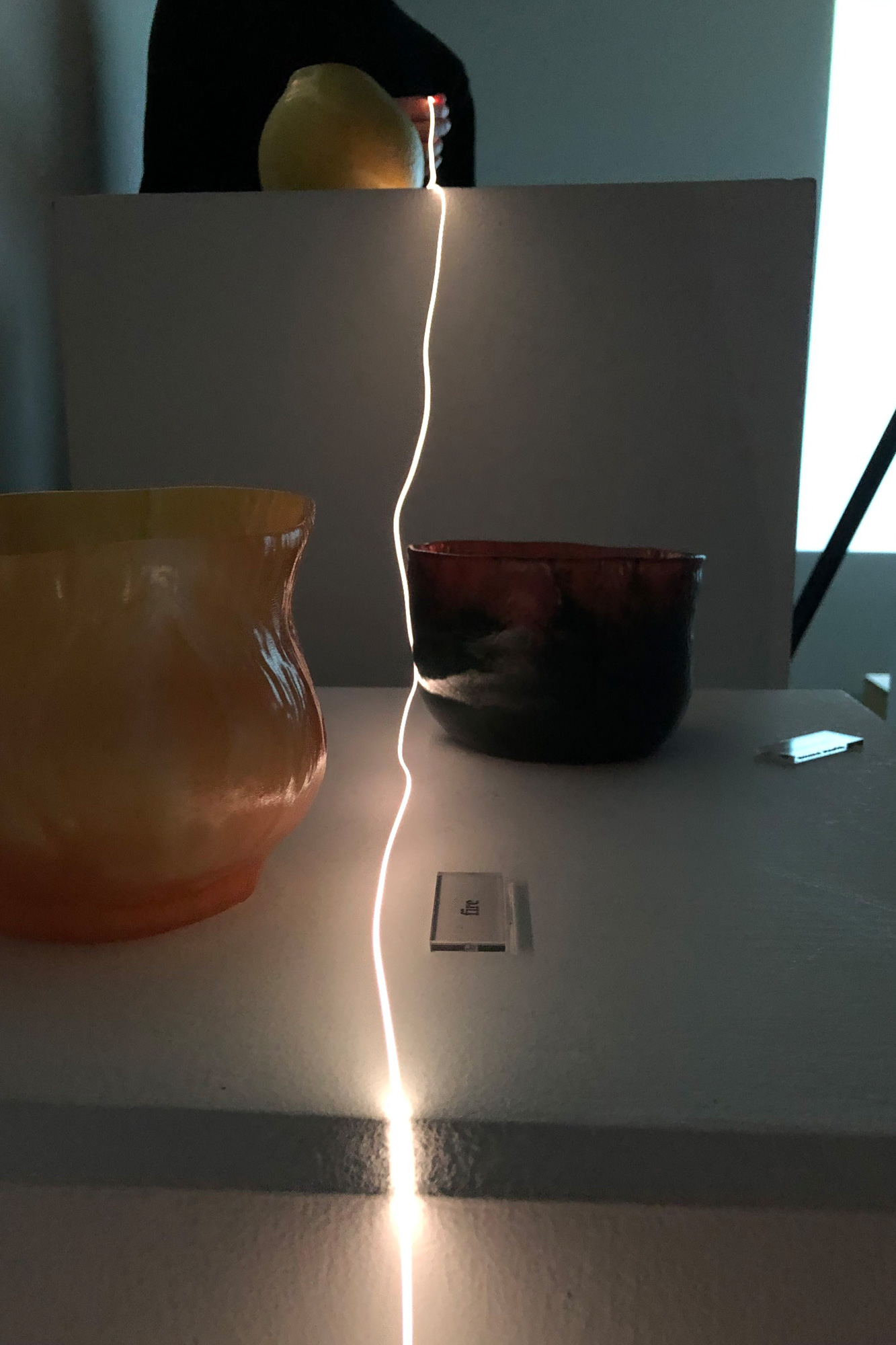
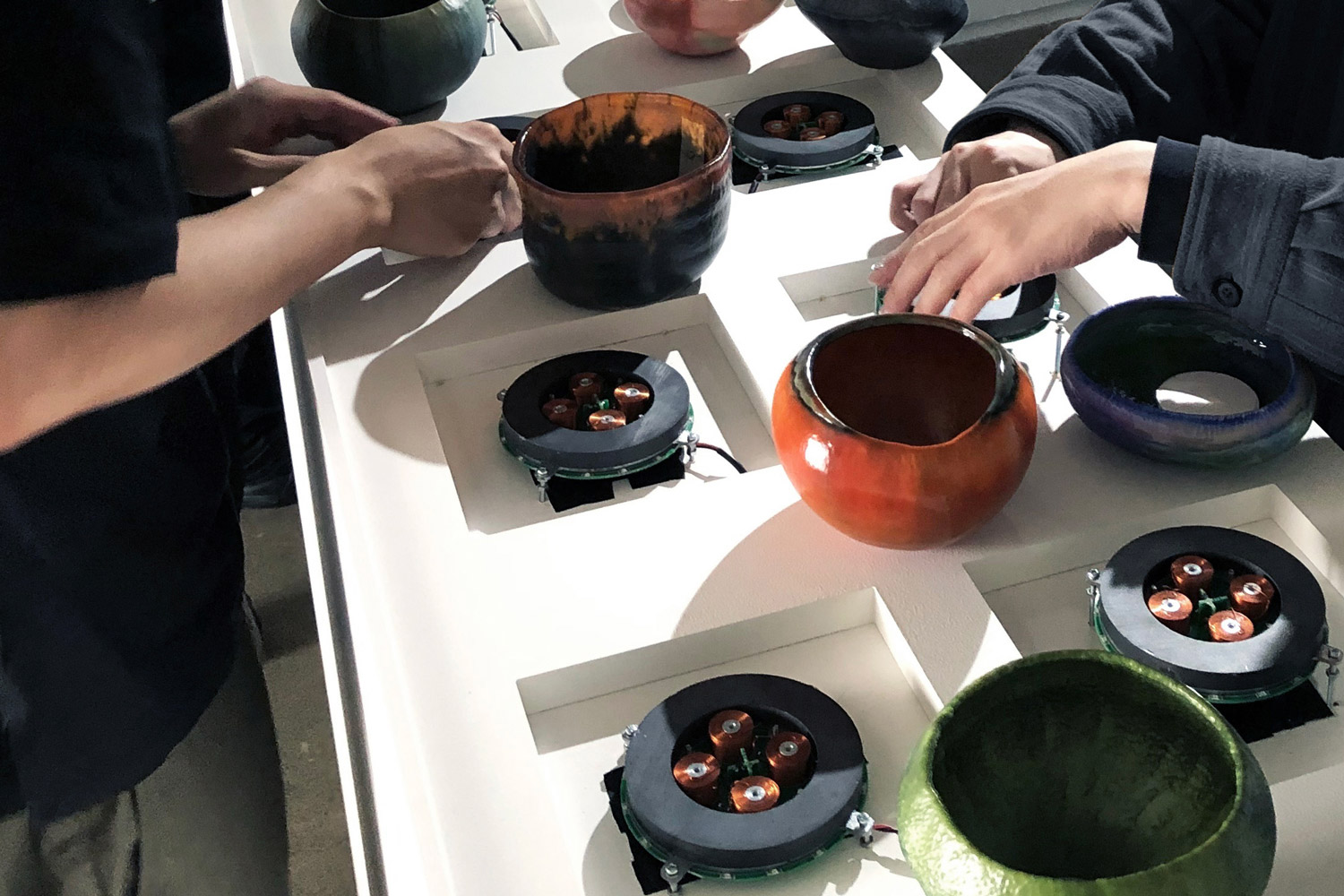
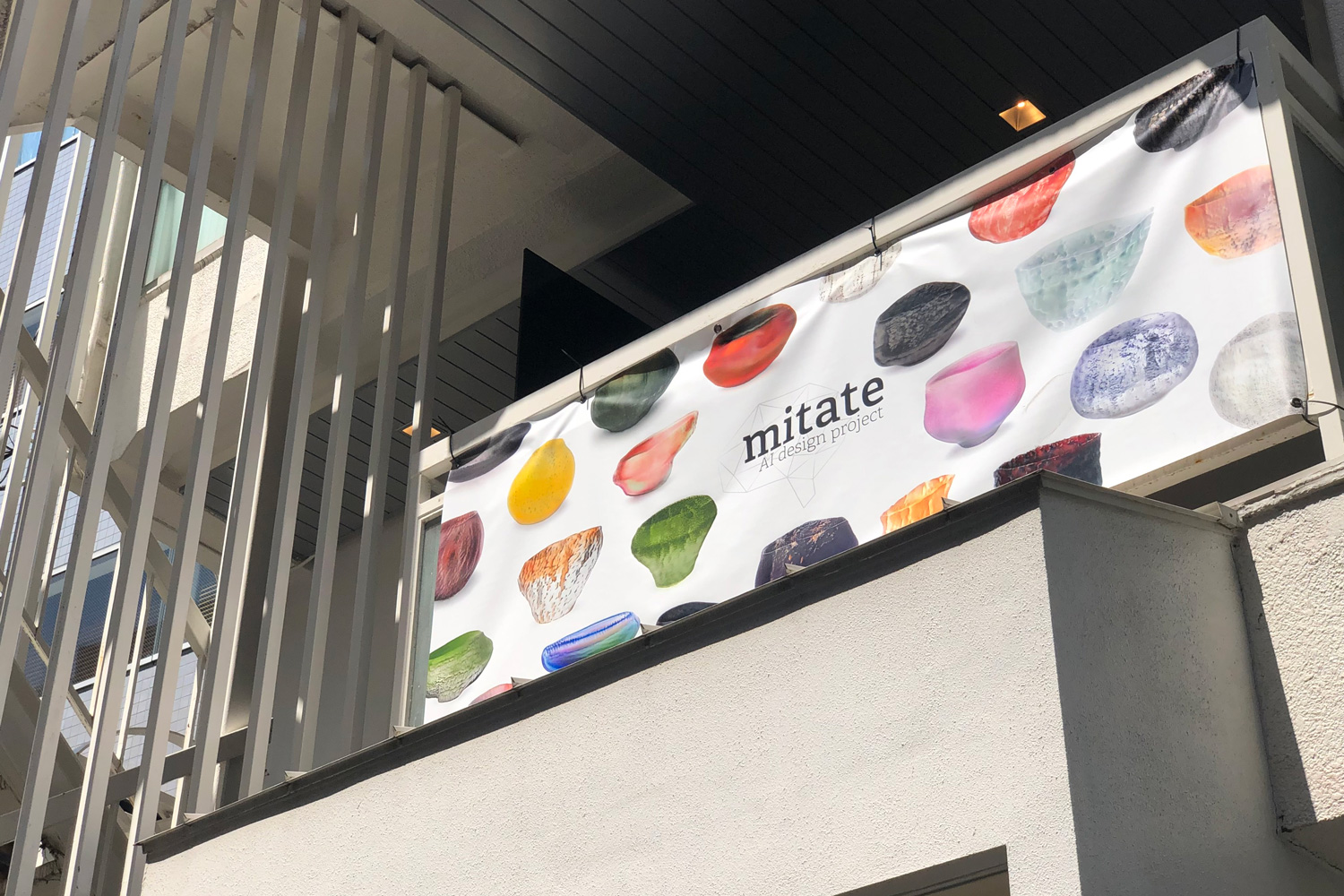
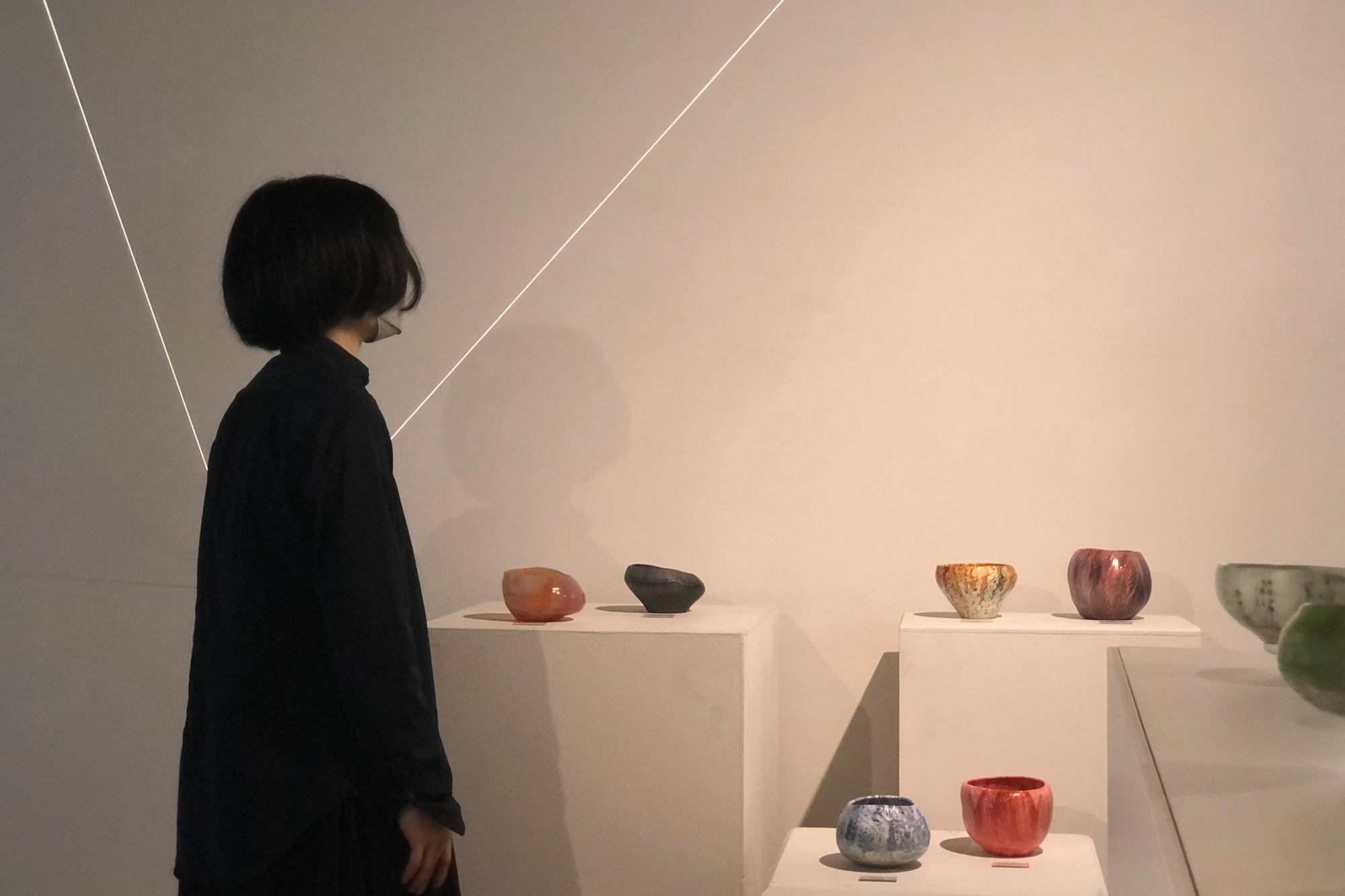
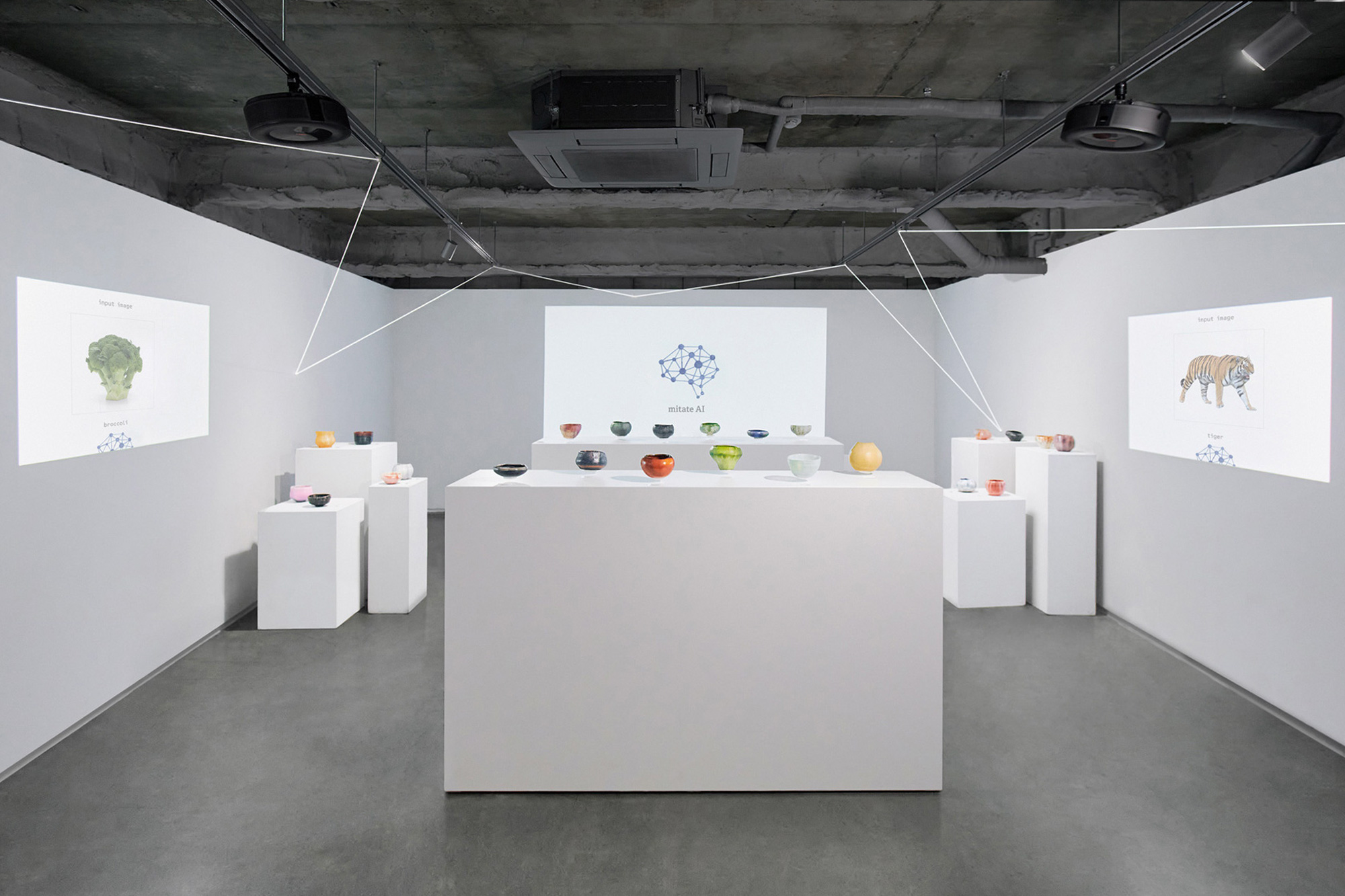
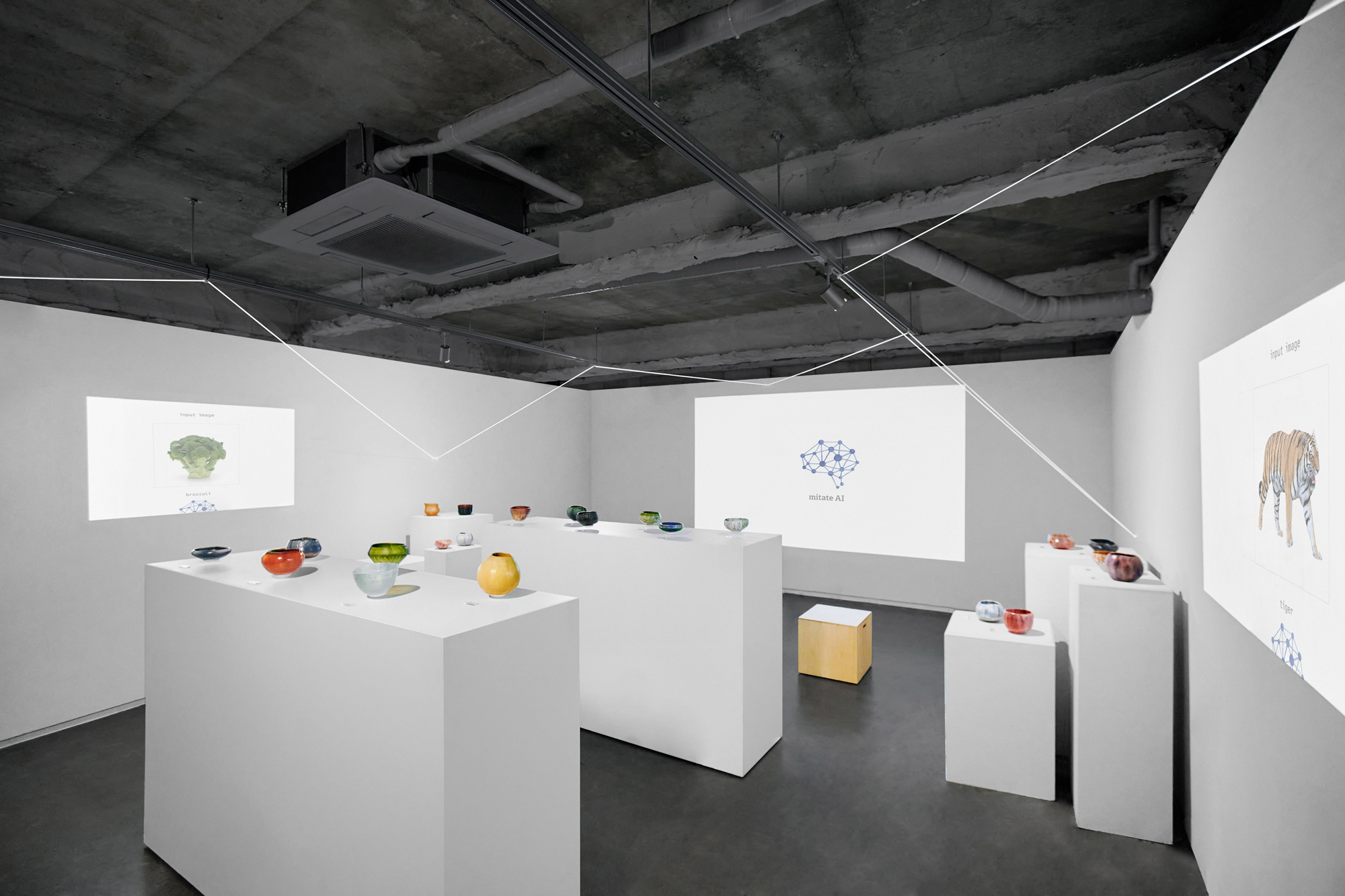
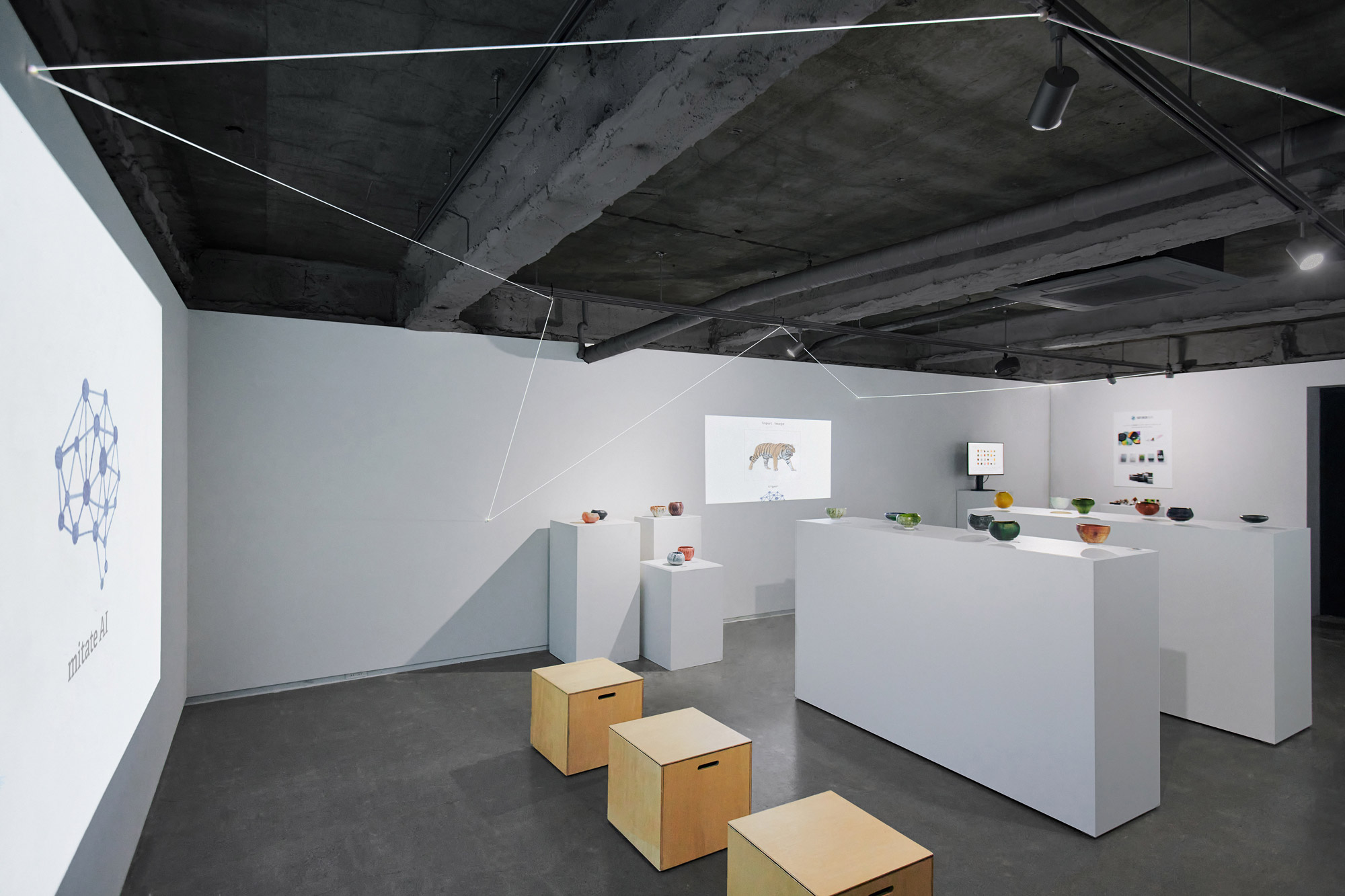
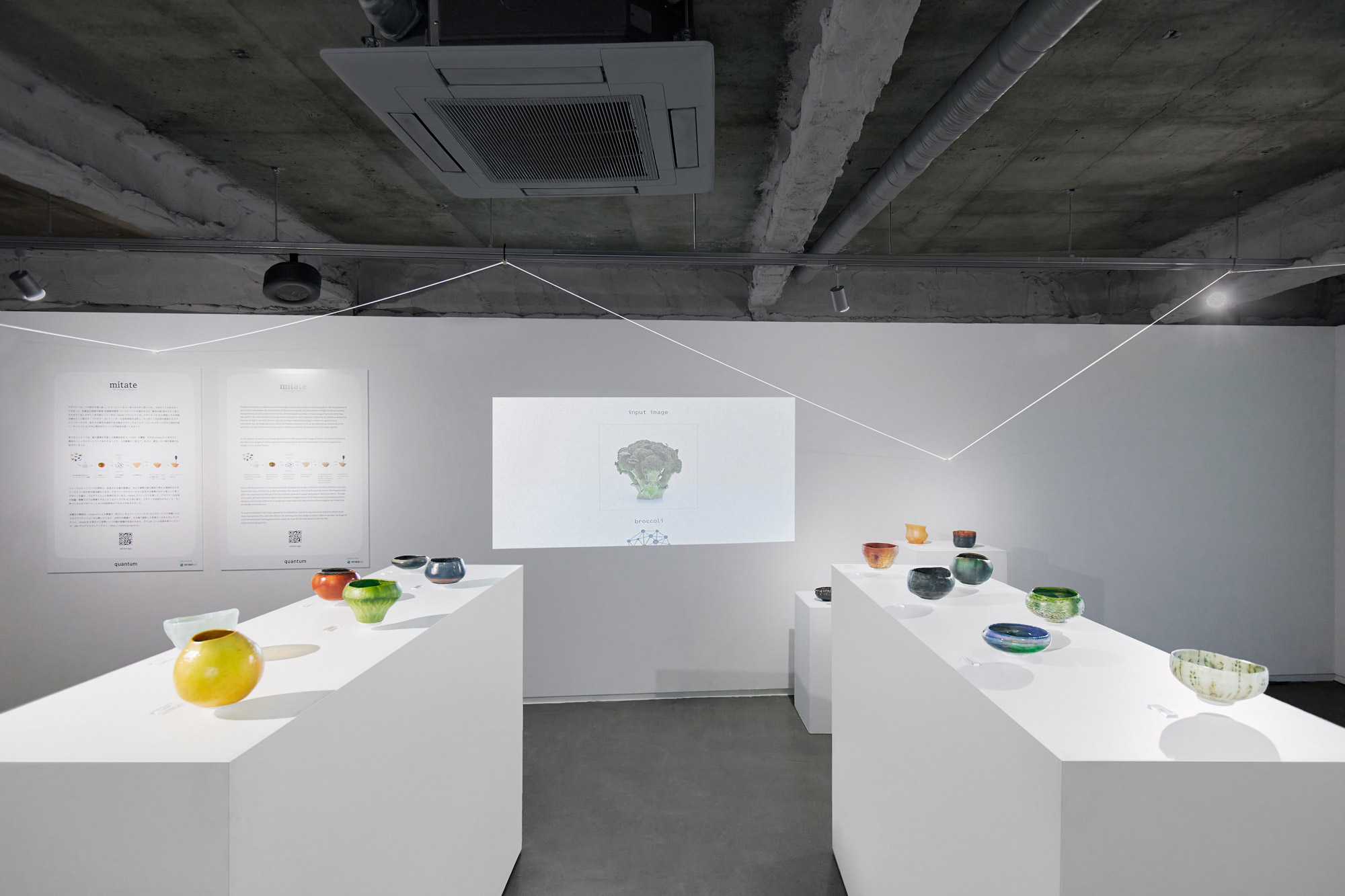
We held an exhibition of AI design project with Stratasys Japan to explore the potential of collaboration between AI and humans. In the spring of 2022, we held an exhibition of the AI design project “mitate” with Stratasys Japan at a gallery in Shibuya-ku, Tokyo, utilizing AI’s unique ability to extract features and full-color 3D printer modeling technology to explore its applicability in product development. The mitate AI, built in-house for this project, made observations based on images and exhibited various vessels that the designers realized as products, exploring the potential for collaboration between AI and humans.
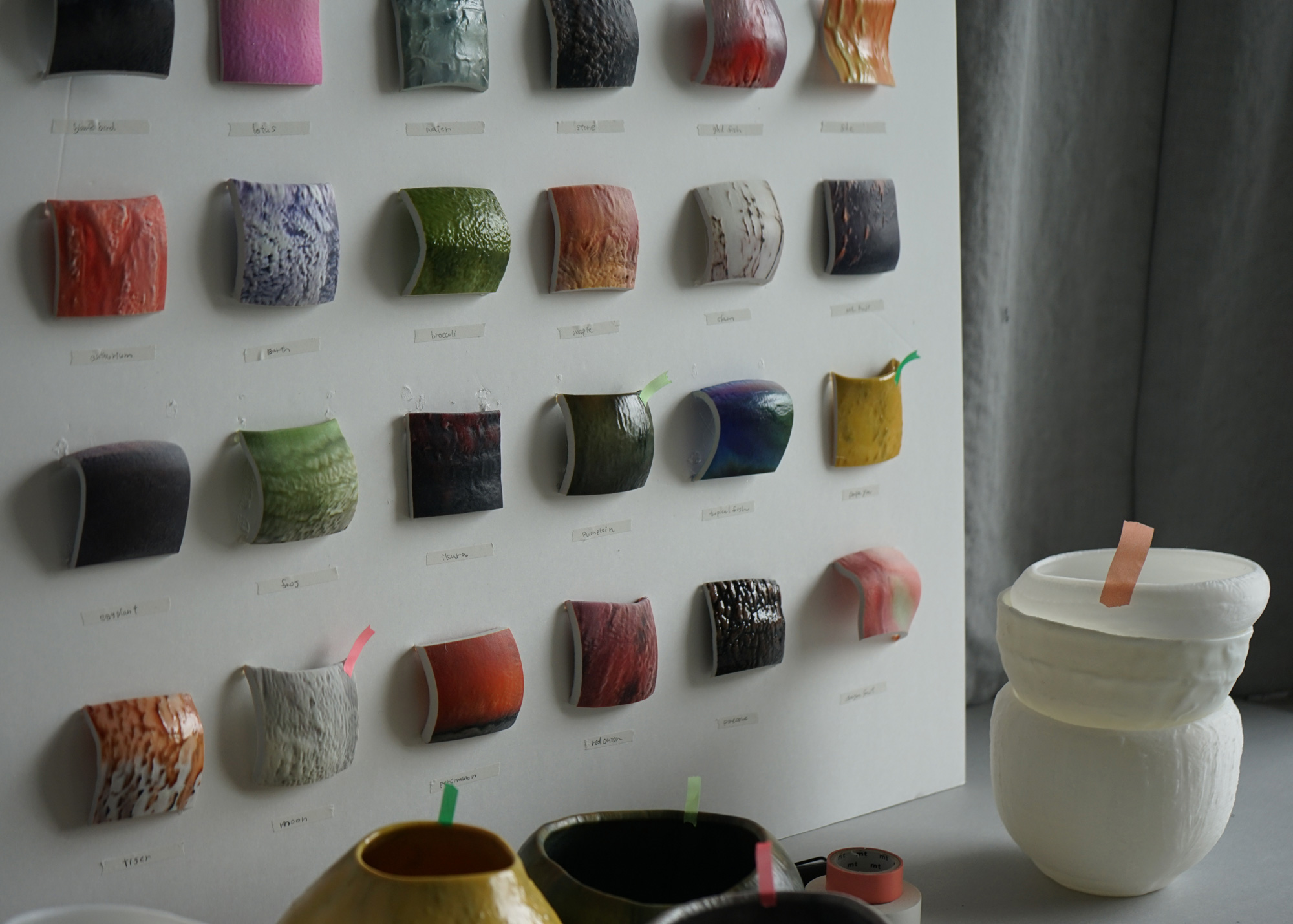
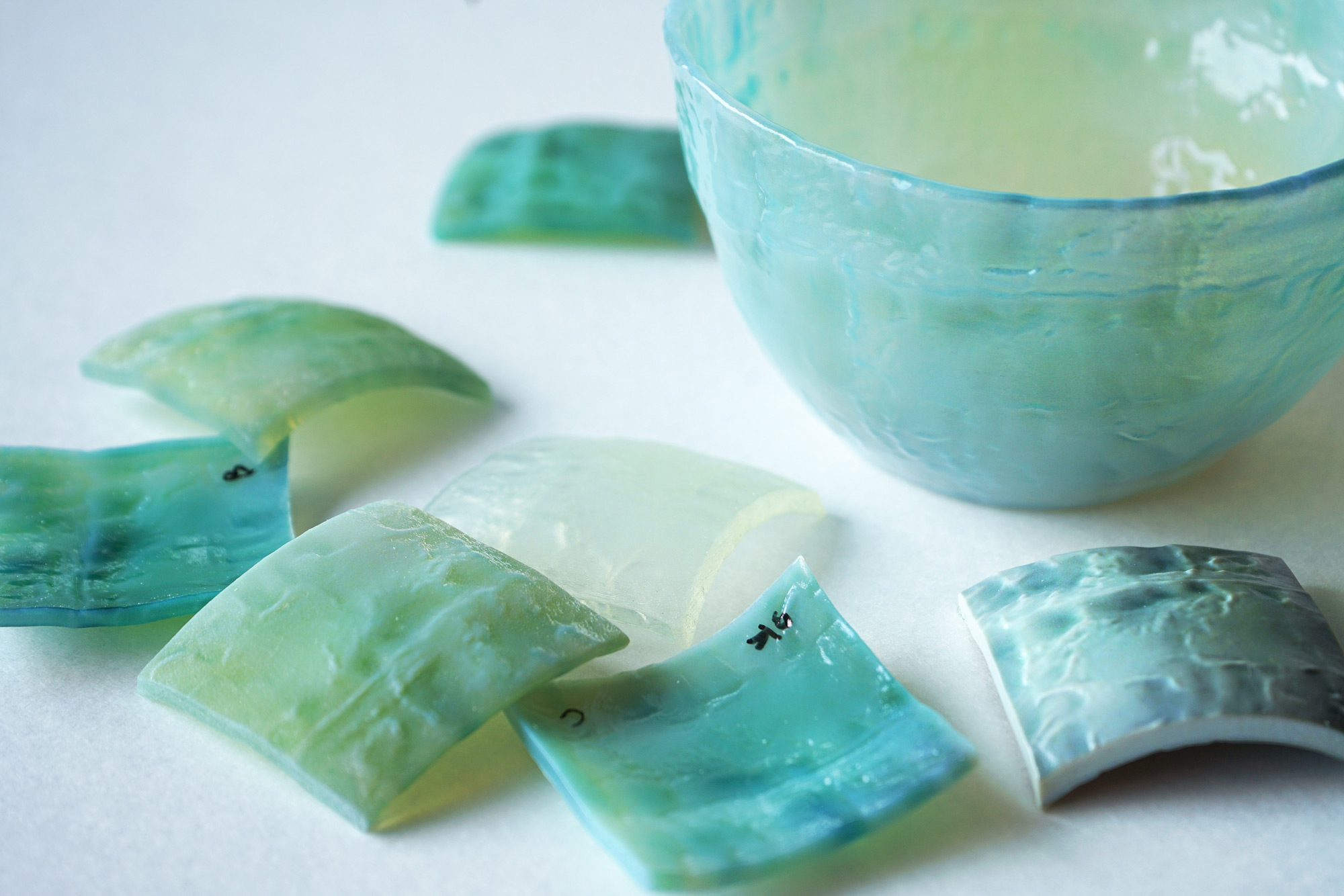
Images of various vessels are generated by AI, and the designer’s eye determines which ones are superior as vessels from both functional and aesthetic perspectives.
In order to bring the colors of the images generated in two dimensions and the vessels printed in three dimensions closer, we created test pieces while adjusting the print data, and repeated trial and error.
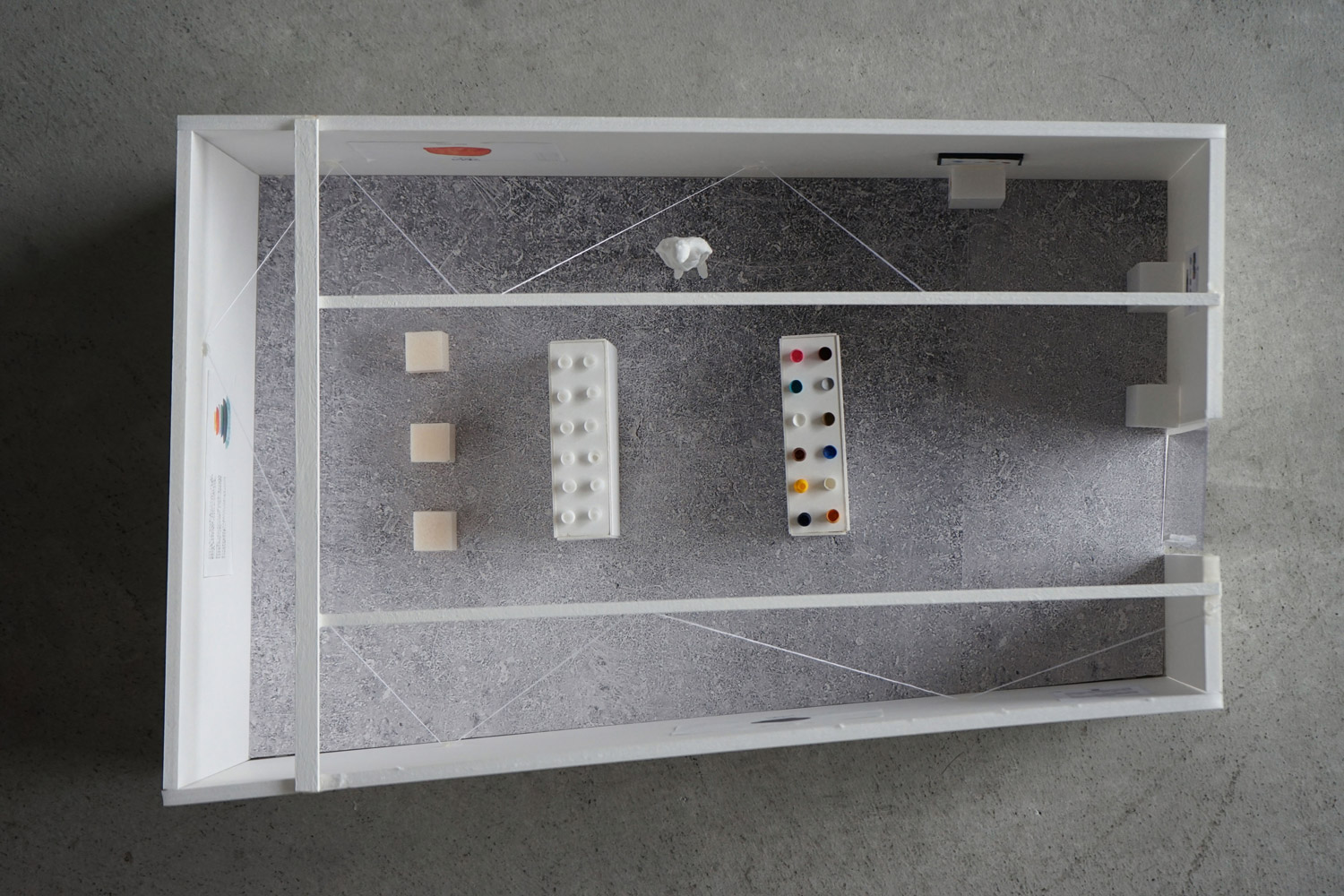
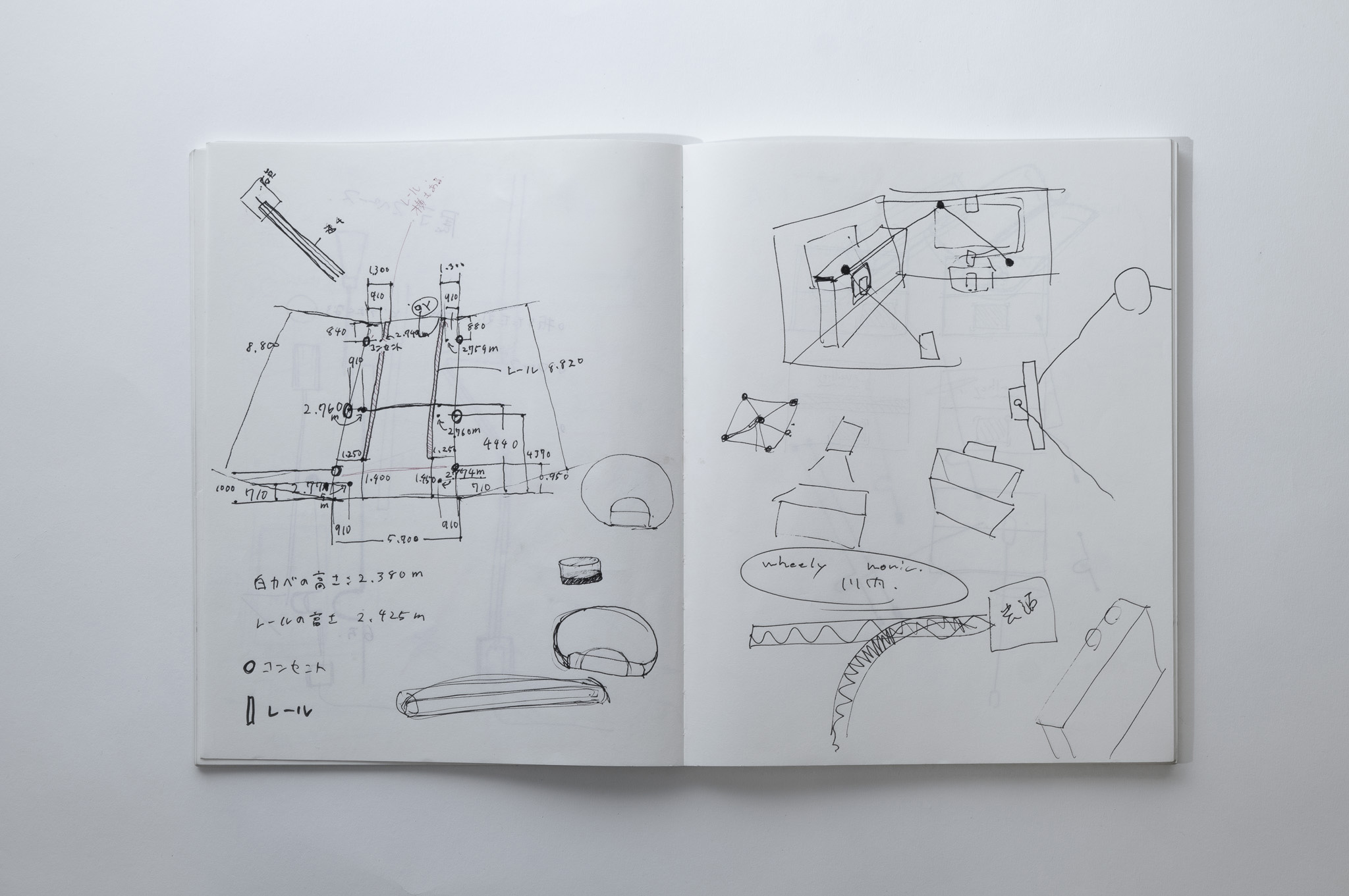
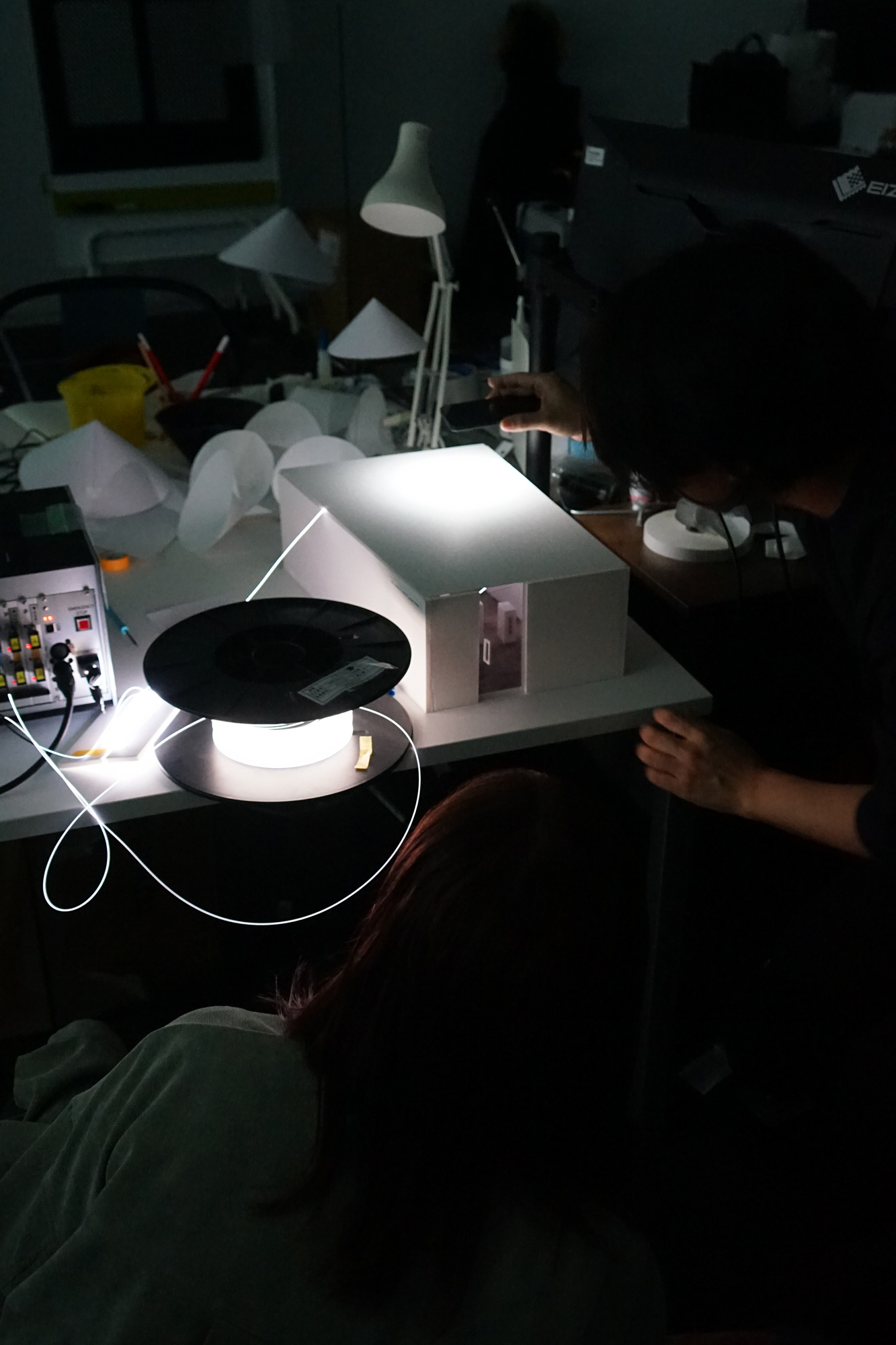
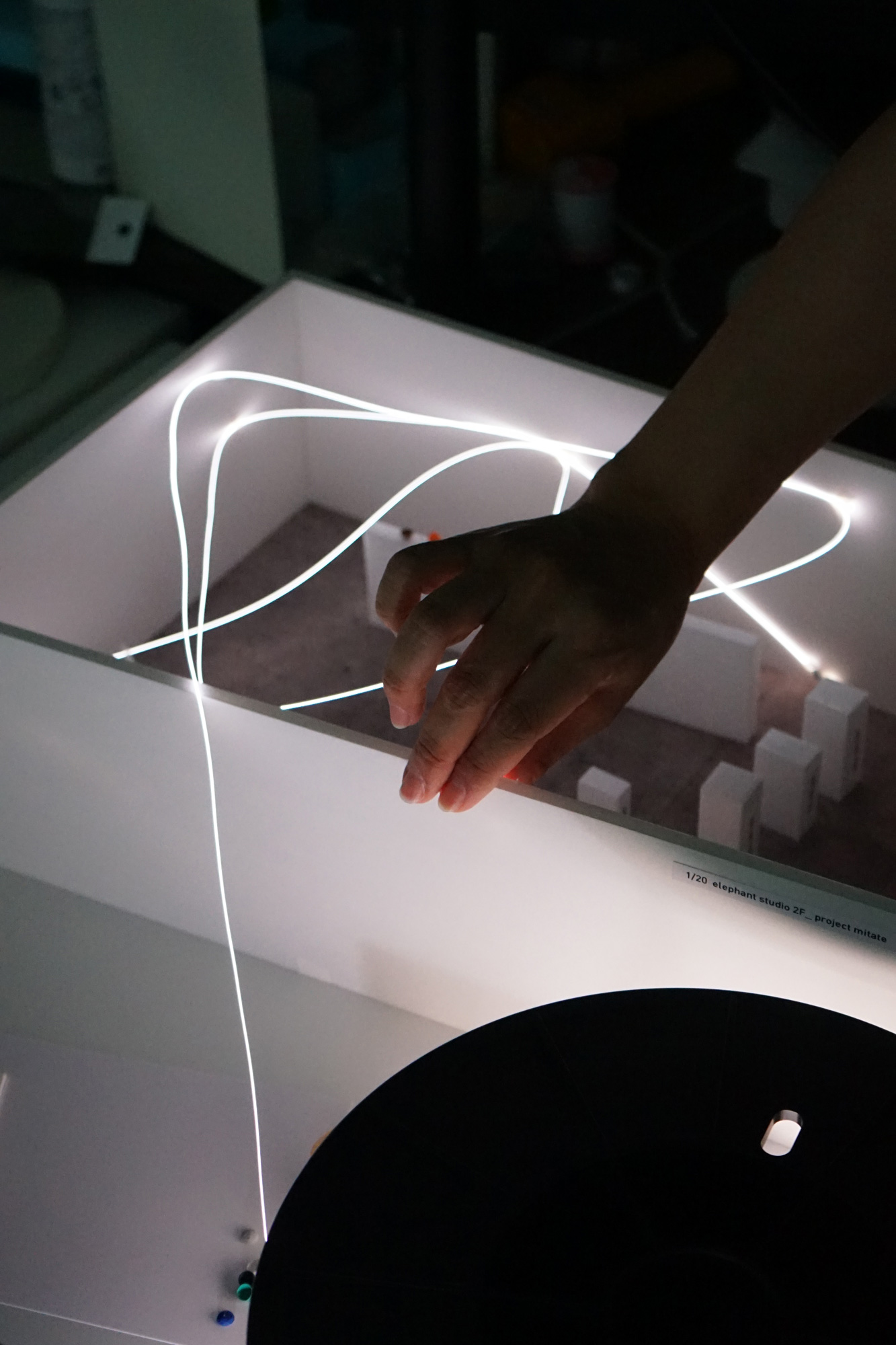
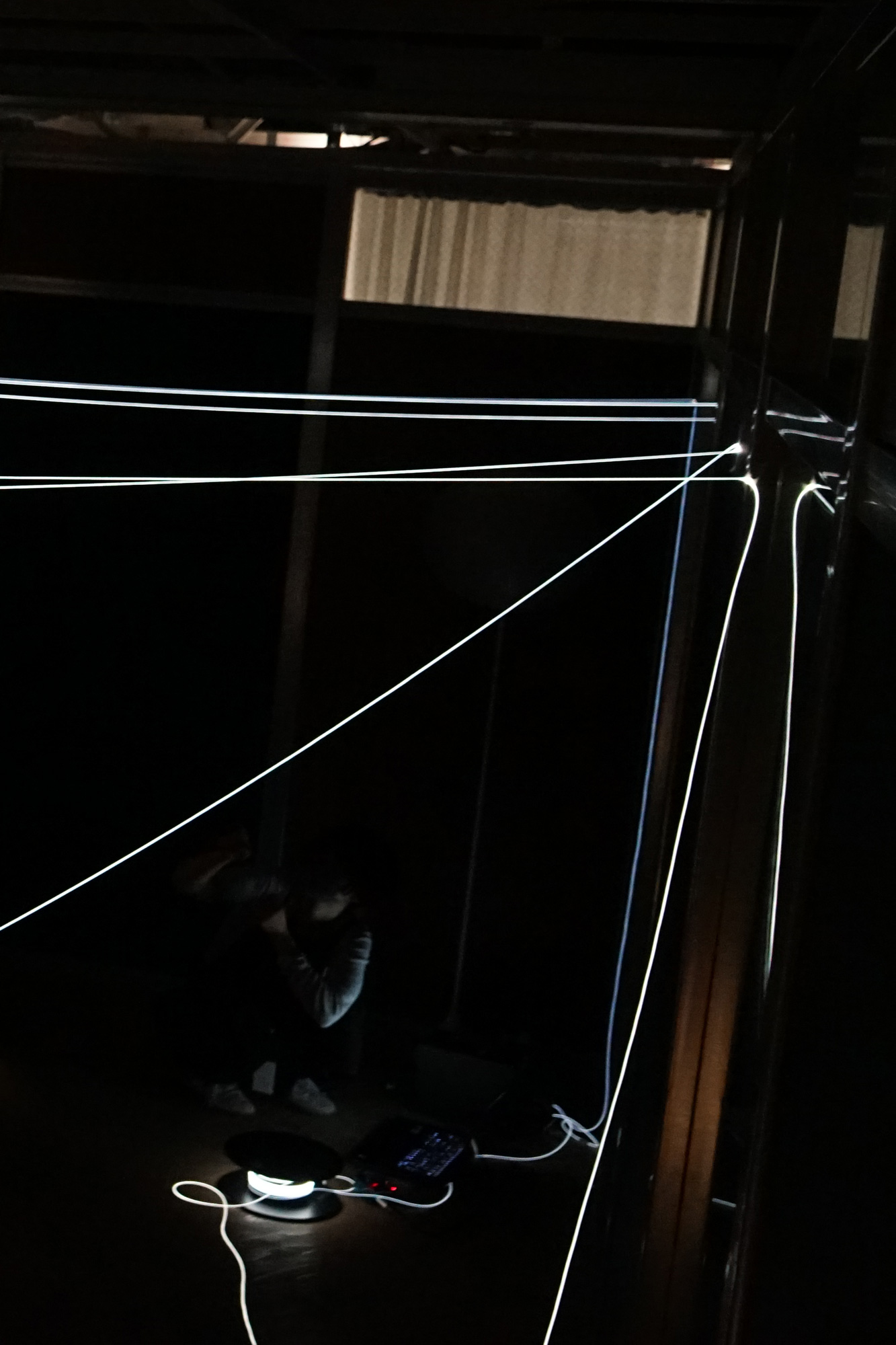
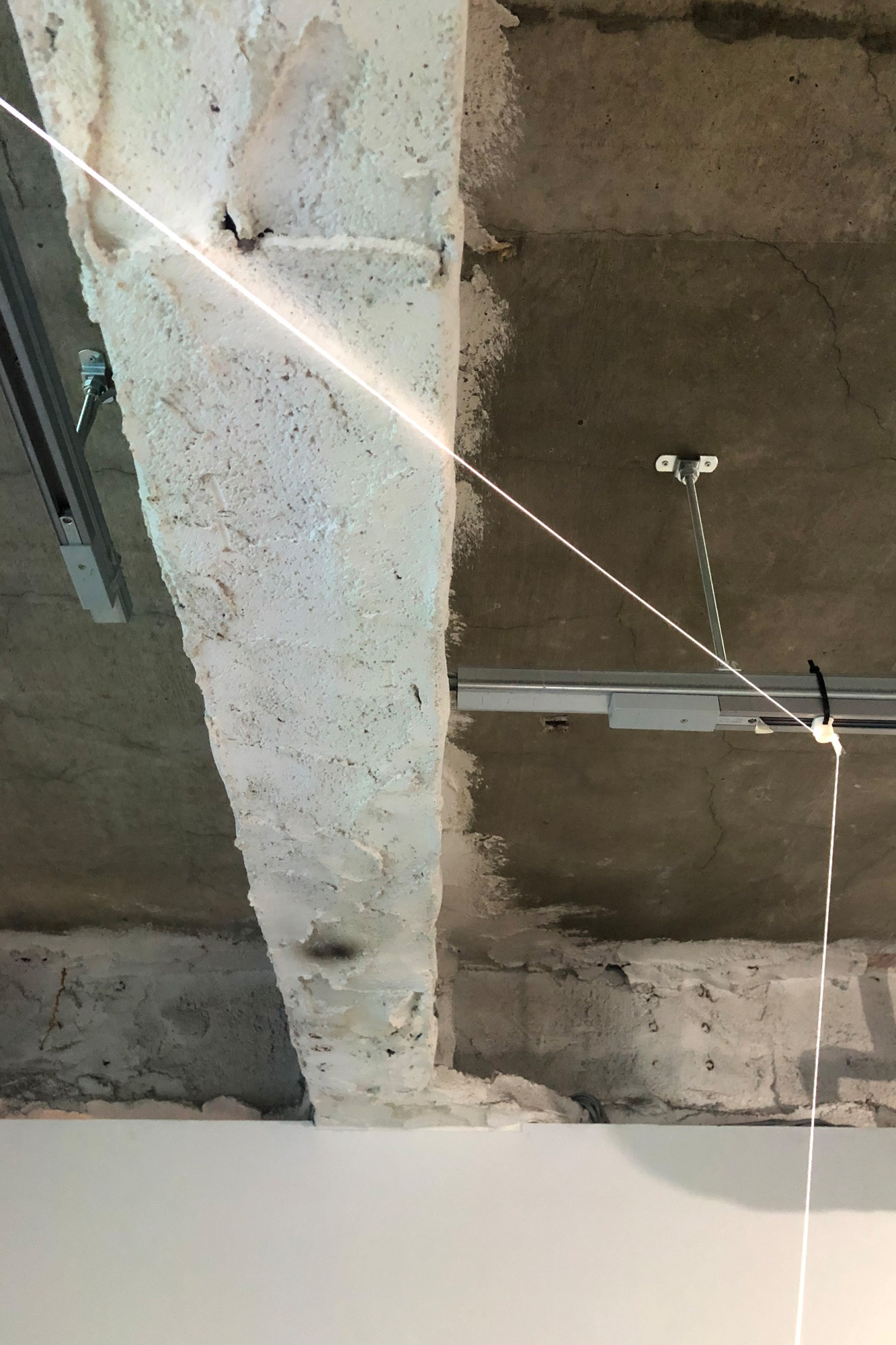
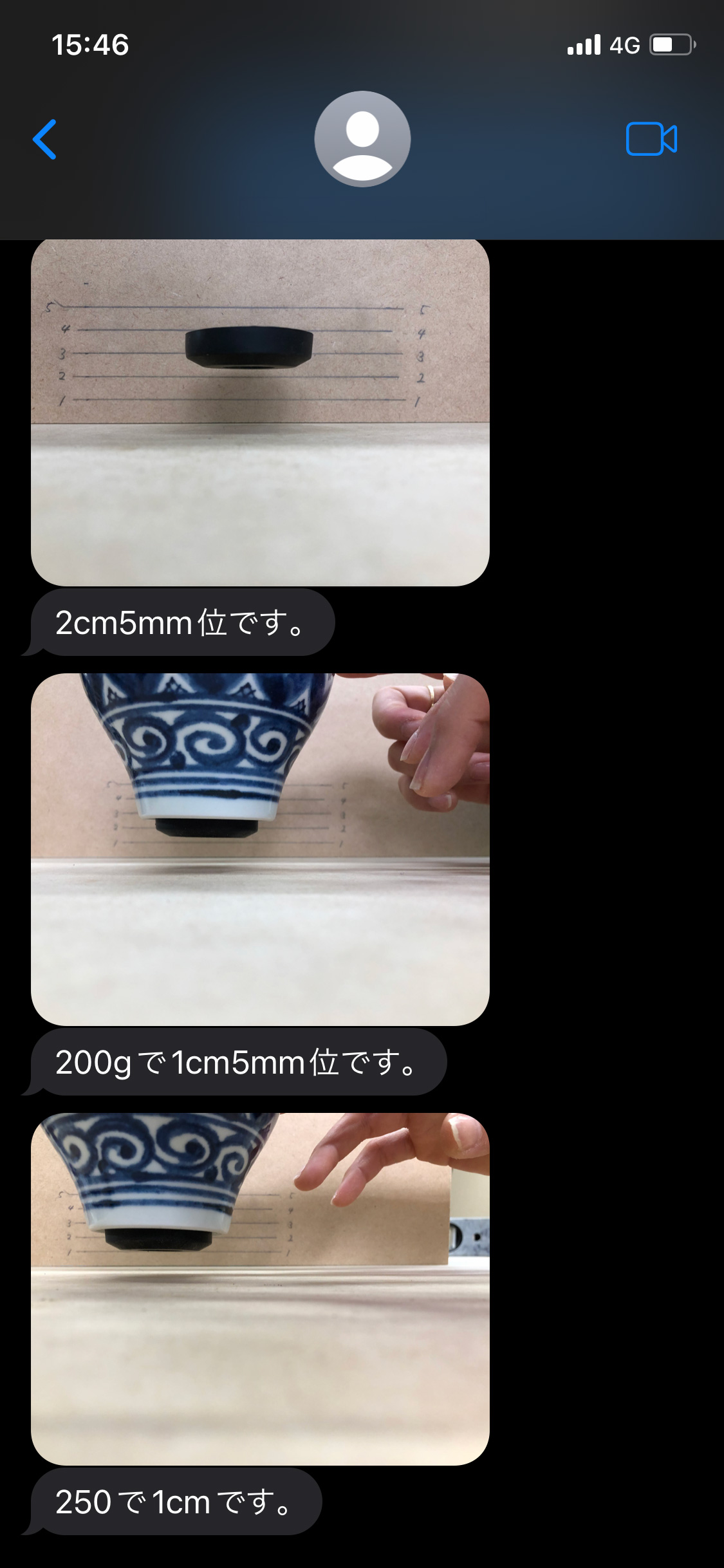
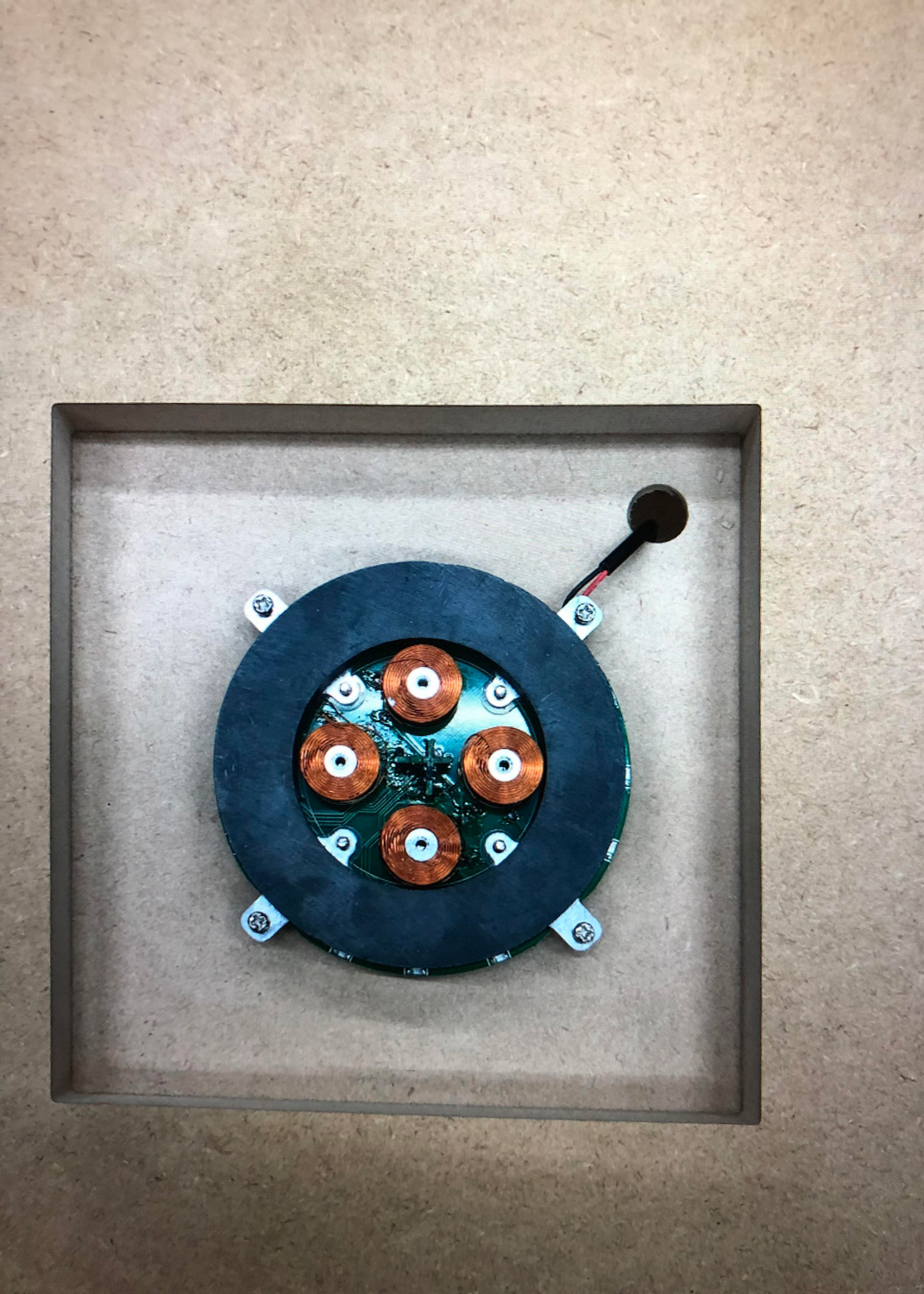
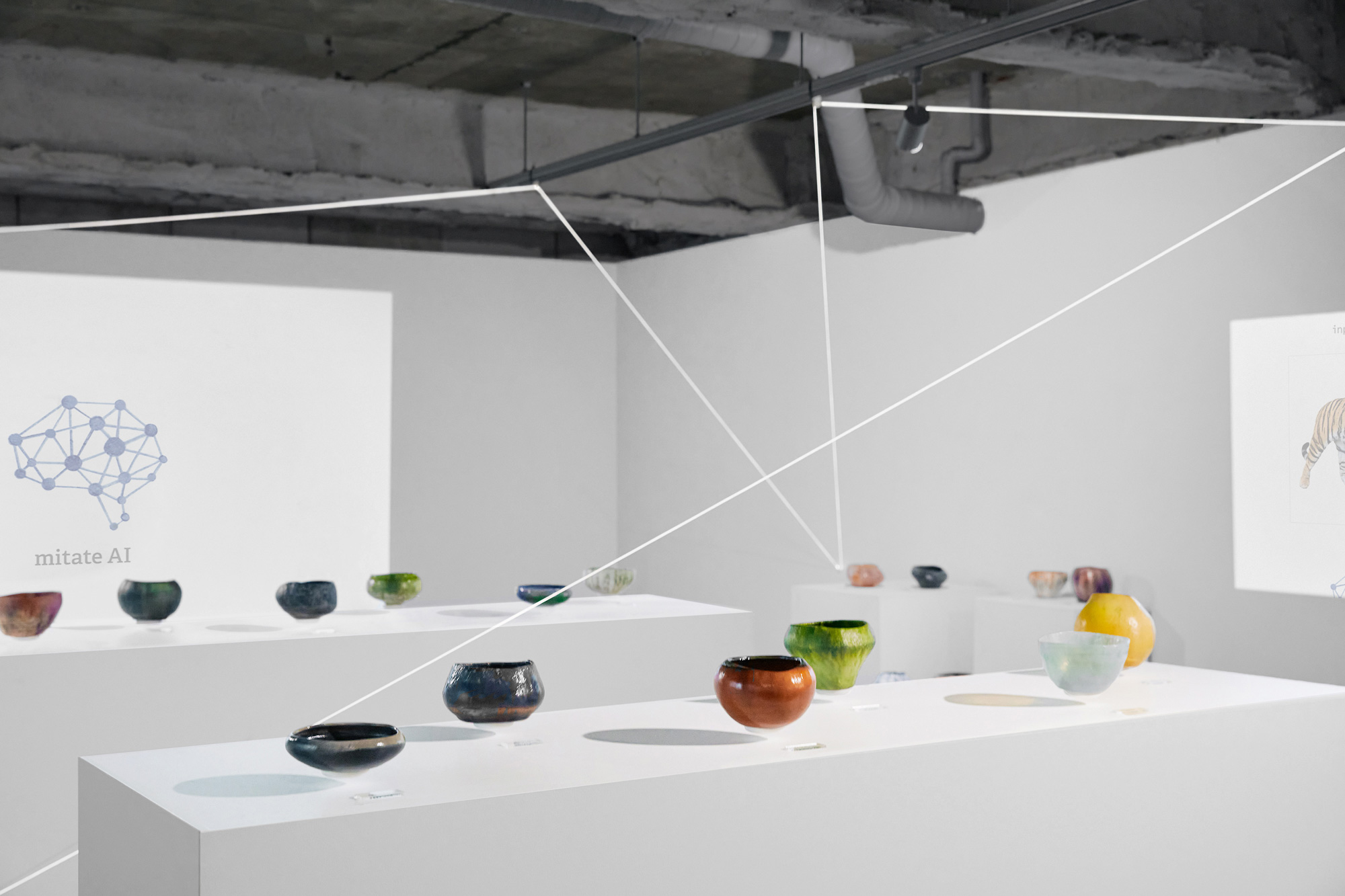
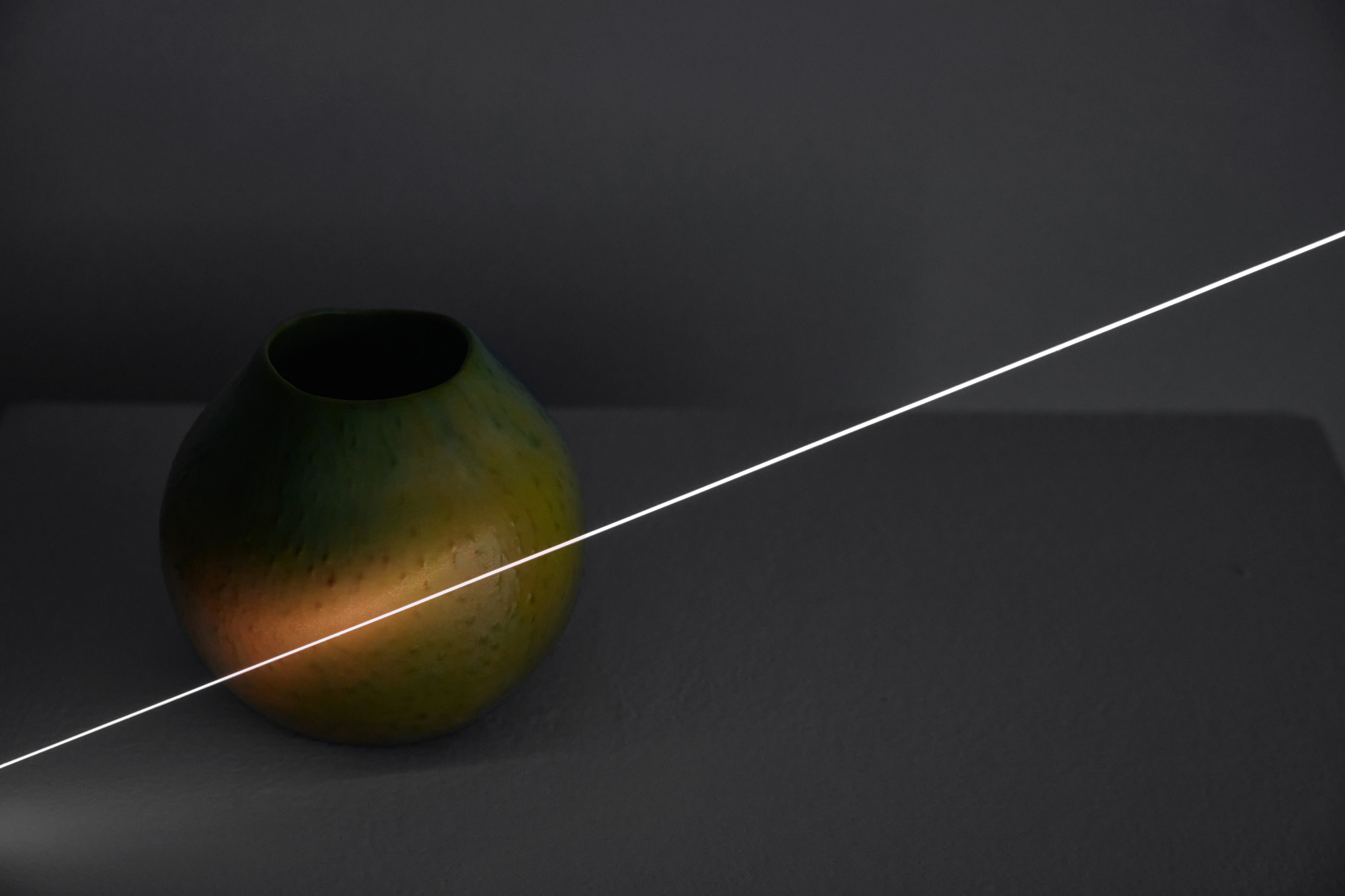
In the exhibition space, we configured light diffusion fibers representing neural networks and created an installation of rotating and floating vessels designed together with AI.
The spatial design symbolizes the process from “seeing” by AI to the completion of a product.
EXHIBITION
During the exhibition, an application that allows visitors to experience the observation or “mitate” of images using mitate AI on smartphones, PCs, and other devices will be available for a limited time. By importing your own images or photos taken on the spot, you can experience the process of generating an image of a one-of-a-kind vessel as observed by mitate AI.