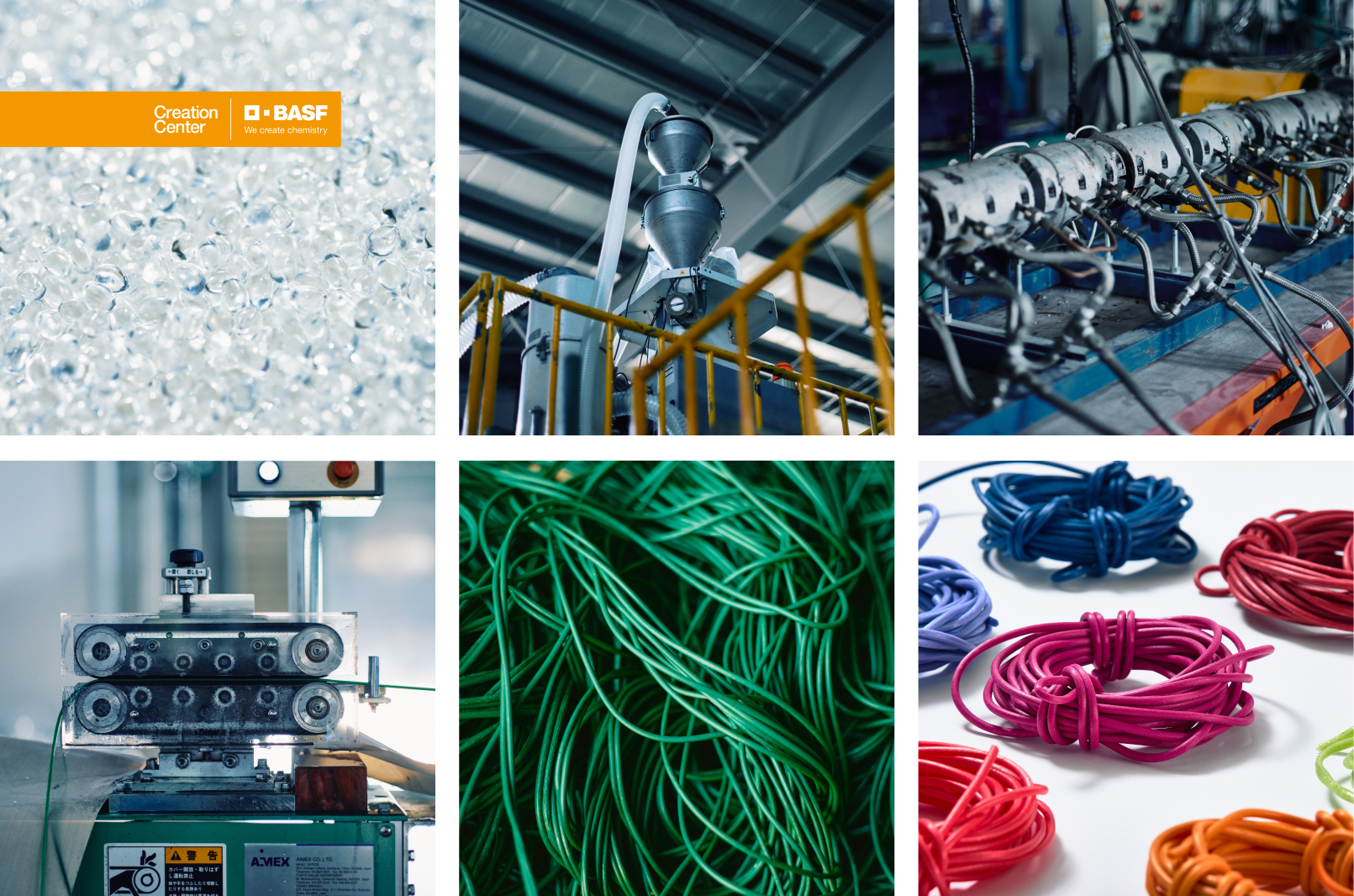
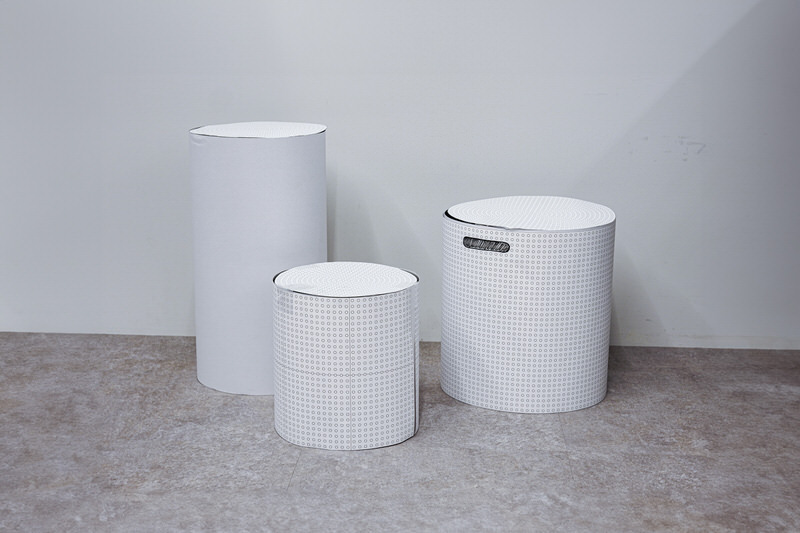
We have launched a new material brand development project with BASF Japan Ltd., the Japanese subsidiary of BASF, a German-based chemical manufacturer with a history of more than 150 years. To convey the appeal of the foamed thermoplastic polyurethane elastomer Elastollan®, processed into a cord-like material called X-TPU, we designed Stitch, a stool that can be woven together.
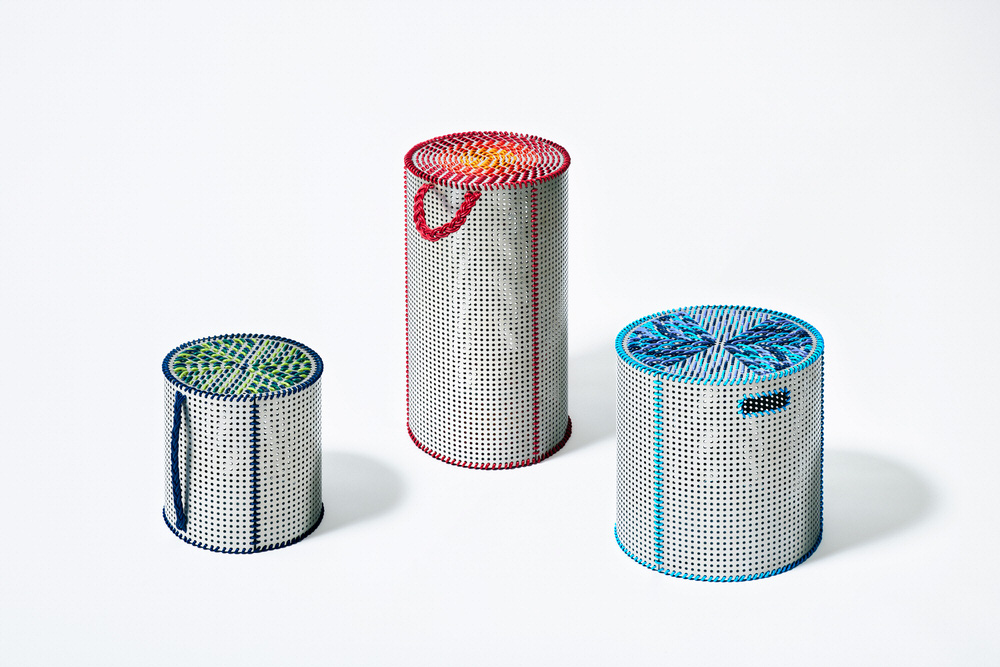
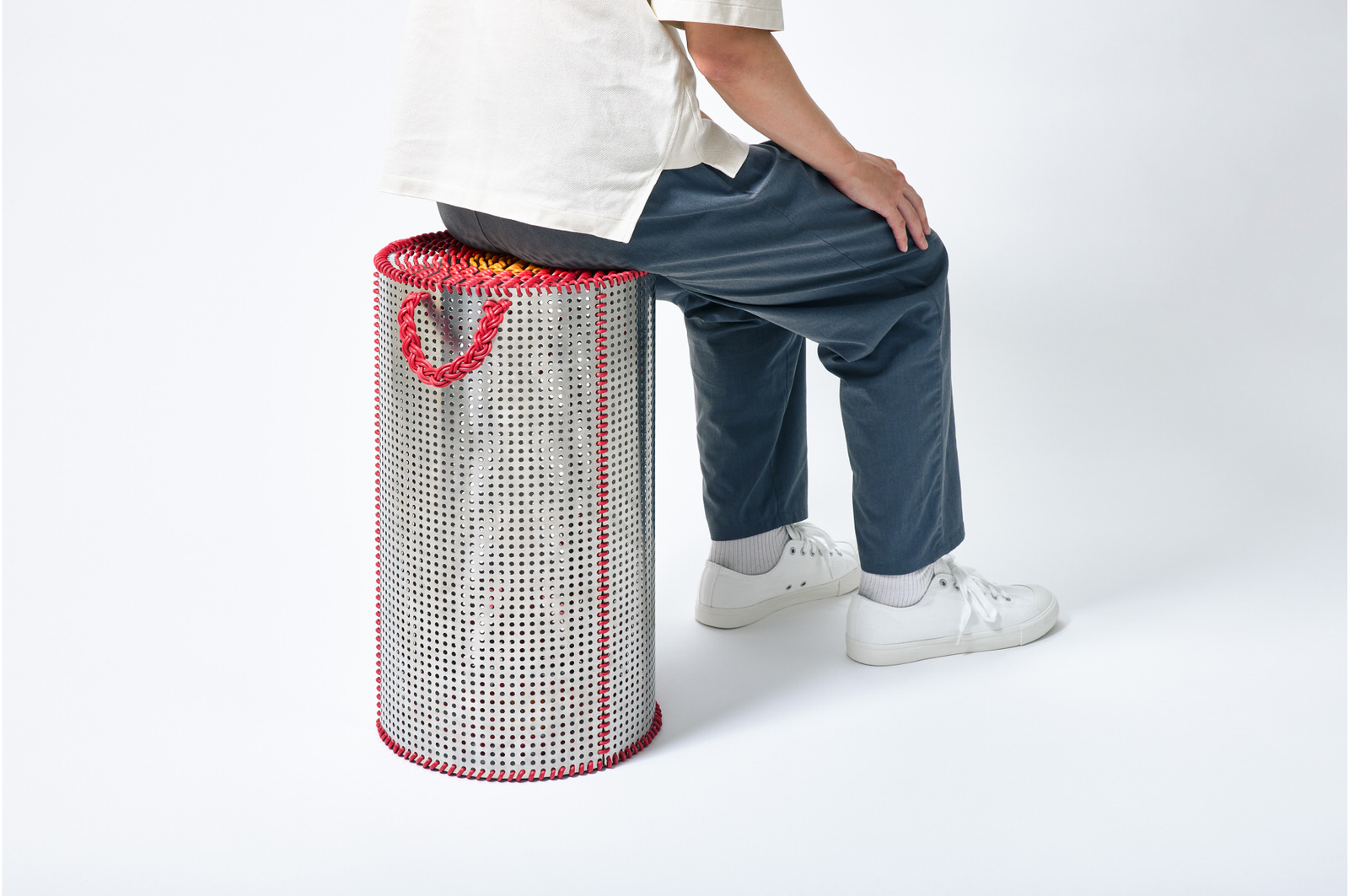
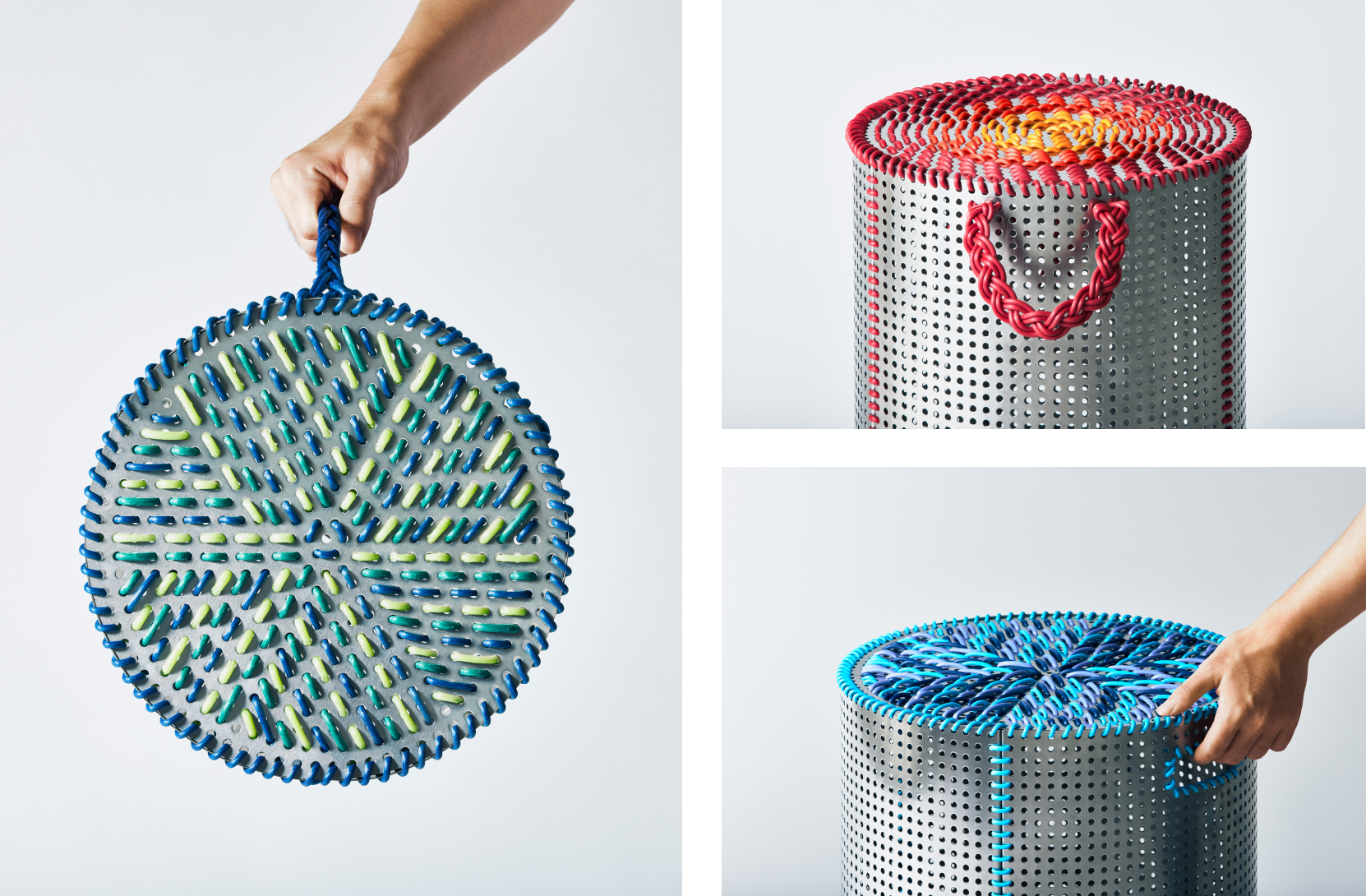
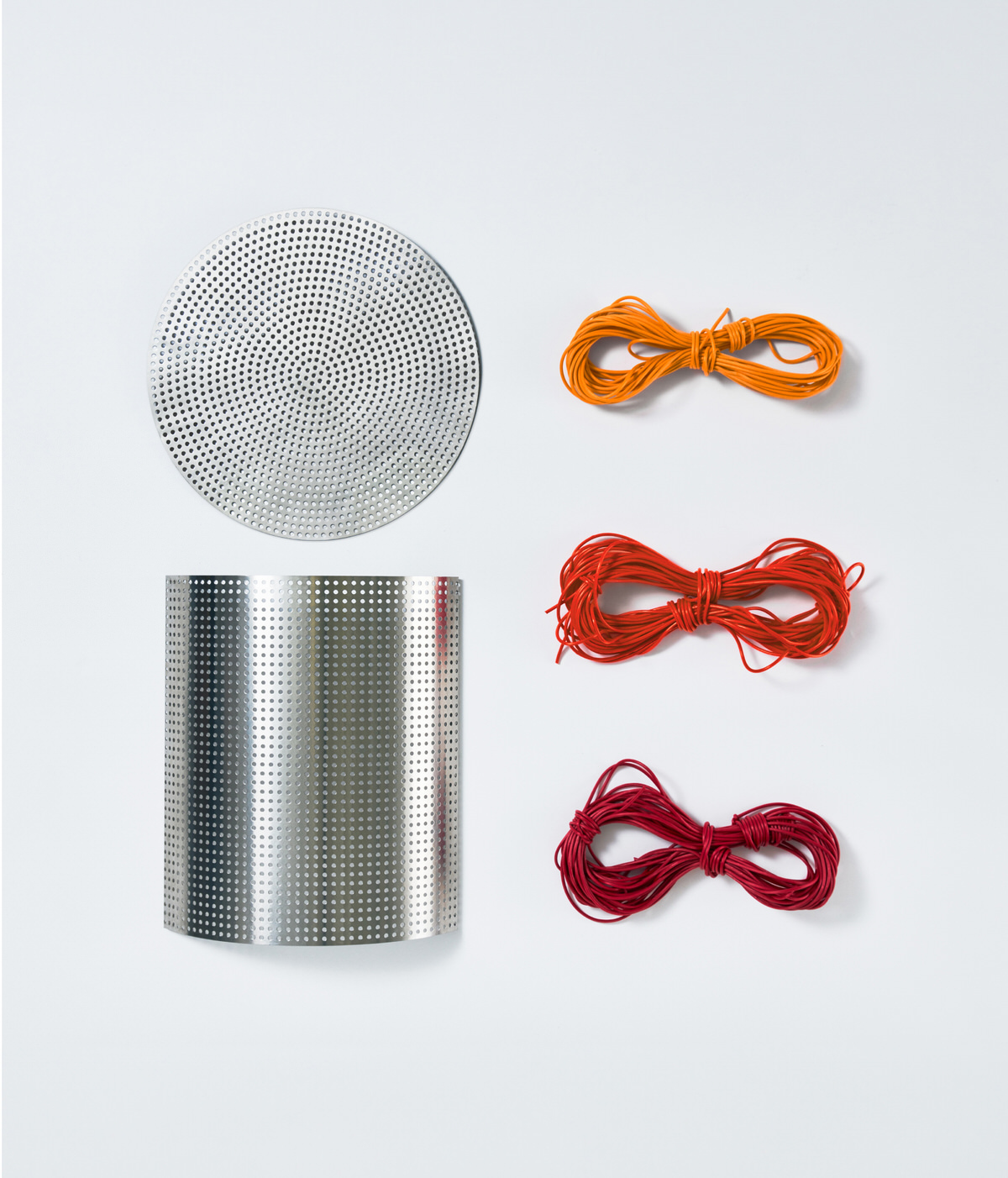
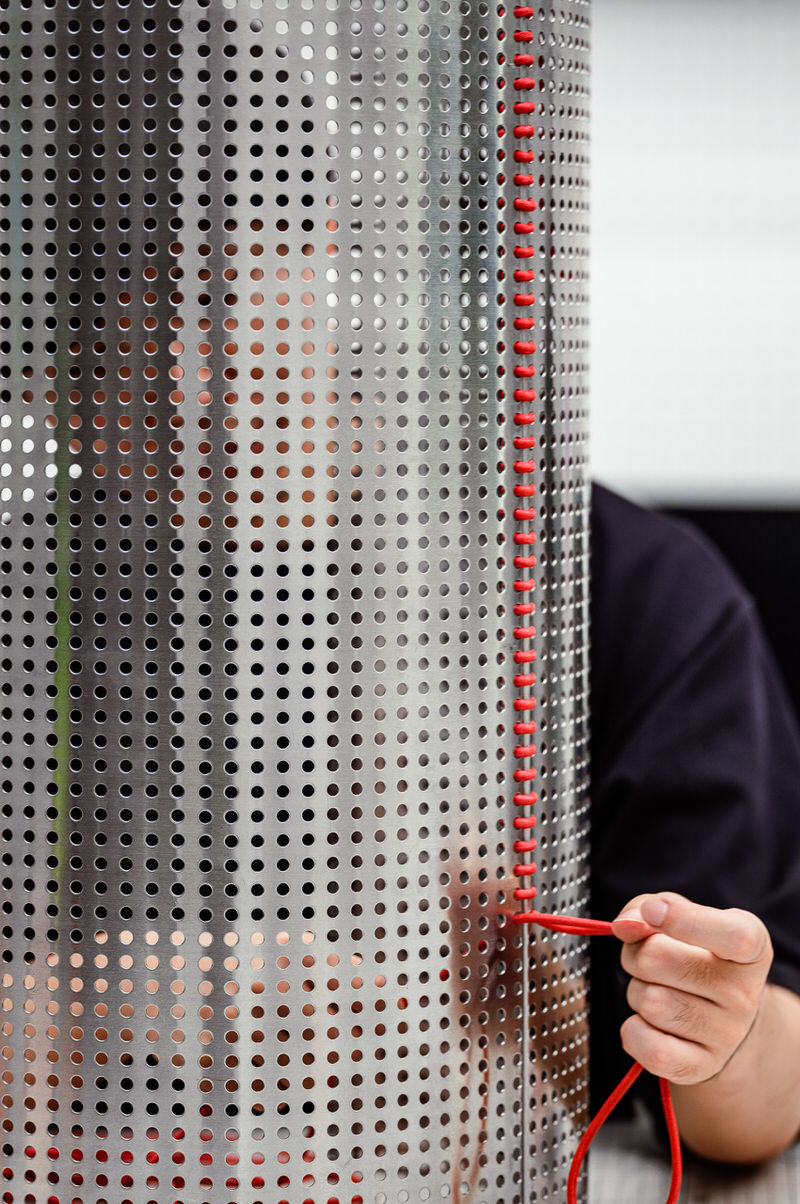
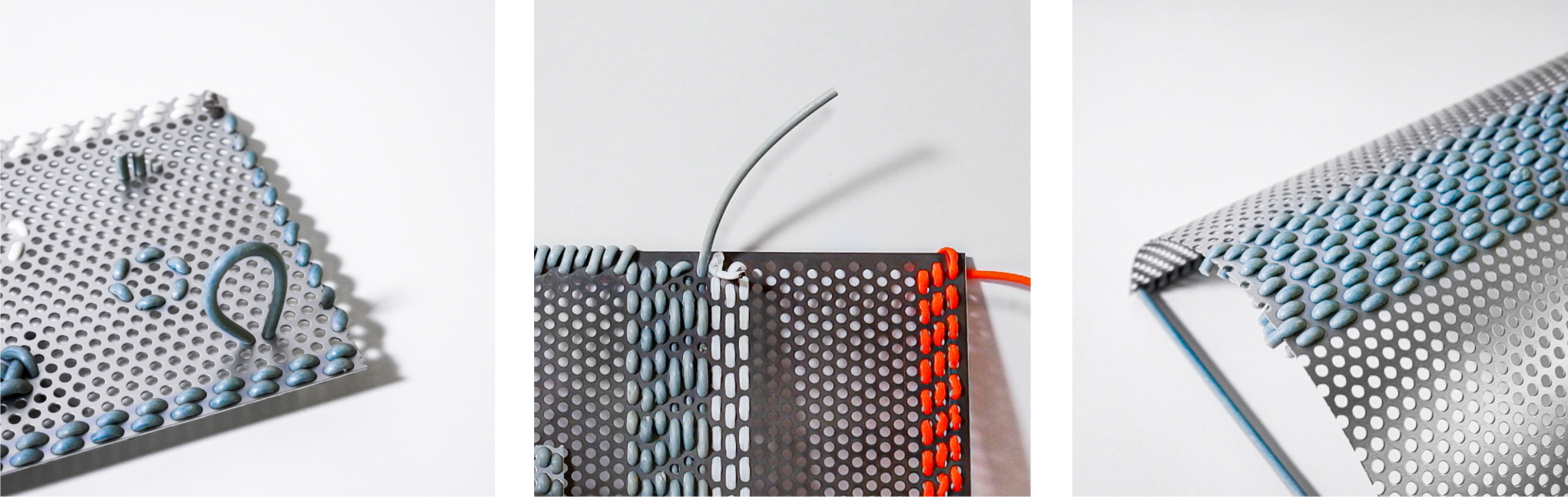
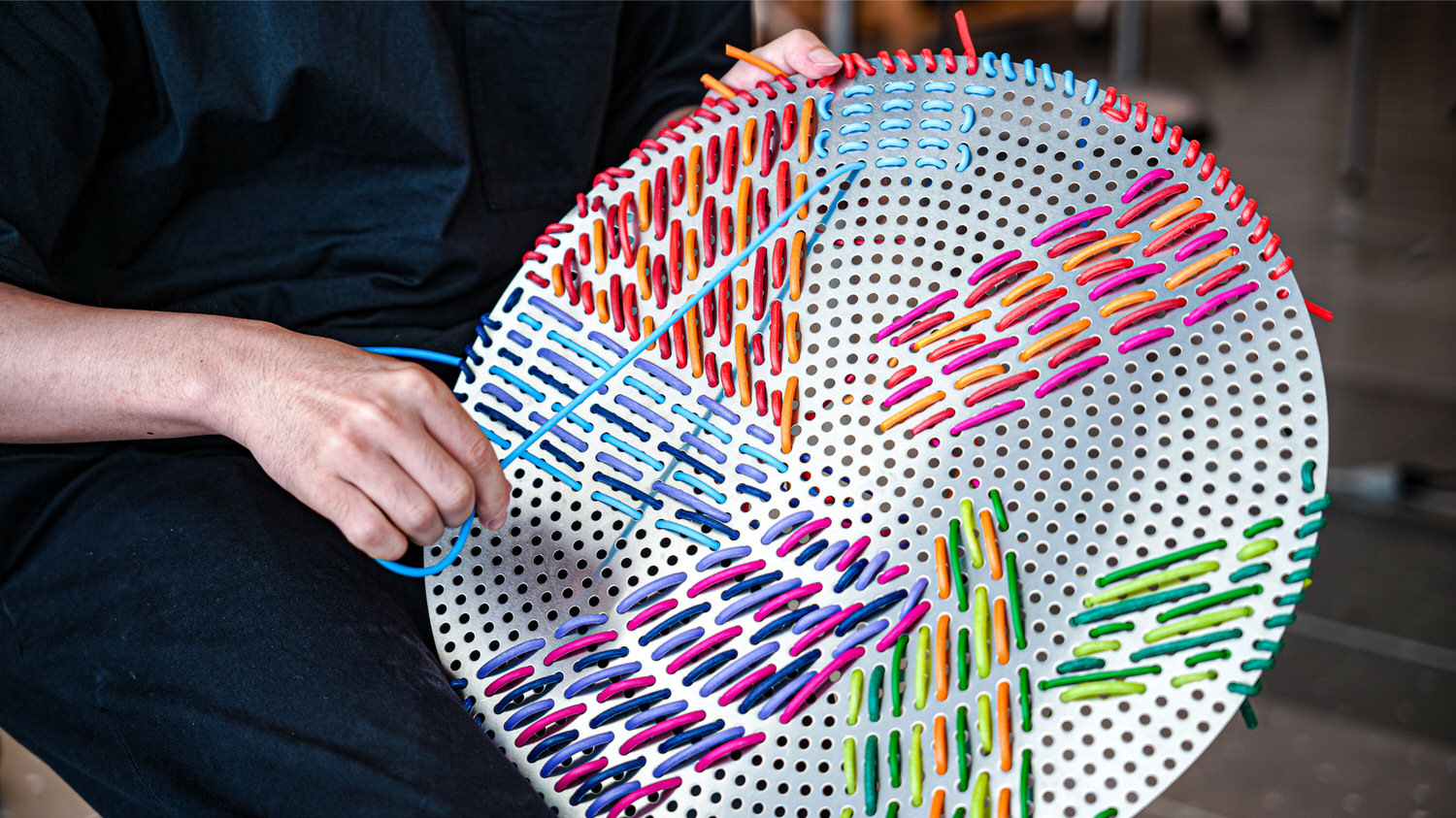
Stitch utilizes the characteristics of the new material X-TPU, jointly developed by BASF Japan Ltd. and FCI Ltd., by weaving the material into a perforated metal sheet to create the stool. X-TPU is used in parts that people come into contact with, such as the seat and handle, allowing users to naturally experience the material's excellent elasticity, resilience, and abrasion resistance when sitting or carrying.
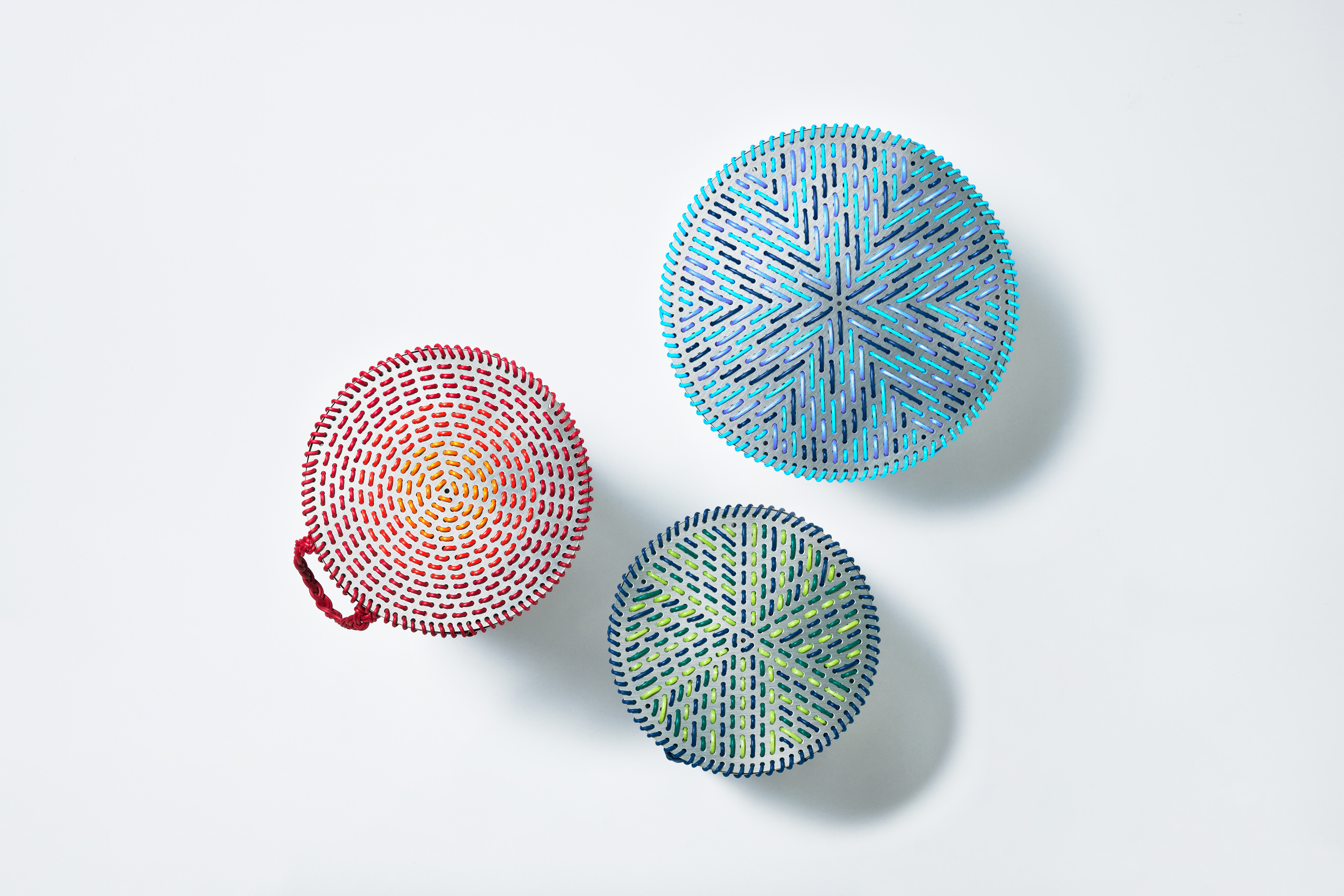
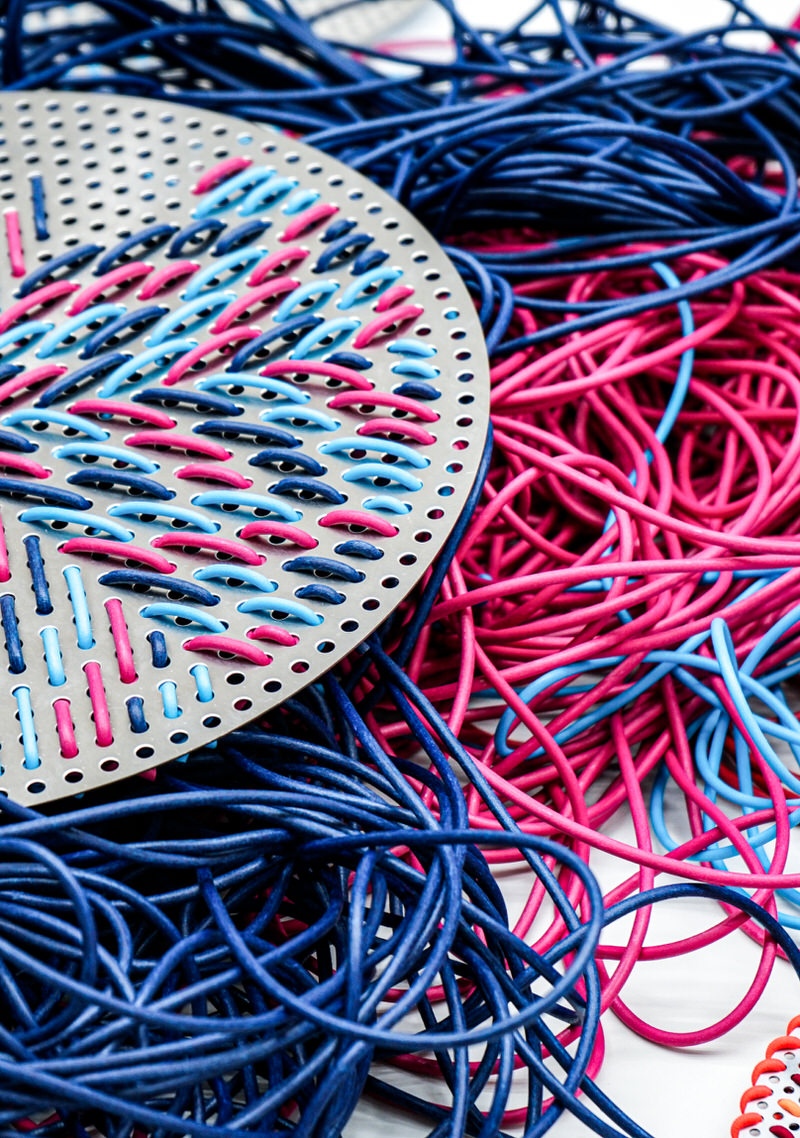
Furthermore, the three stool designs come in different sizes, material colors, and weaving patterns, enabling a broad imagination of the potential future applications of X-TPU.
Client
BASF Japan Ltd.
Year
2023
Category
Product Design
Photo
Akihiro Kawauchi
MEDUM
Client
BASF Japan Ltd.
Category
Product Design
Year
2023
Photo
Akihiro Kawauchi
MEDUM
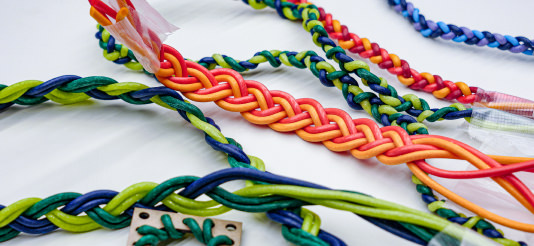
X-TPU is characterized not only by its high mechanical properties but also by its exceptional decoration capabilities, allowing for free coloring. We express this appeal through the creation of vividly colored braided cords and colorful prototypes. In addition to the prototypes, MEDUM also produced key visuals and making-of movies.
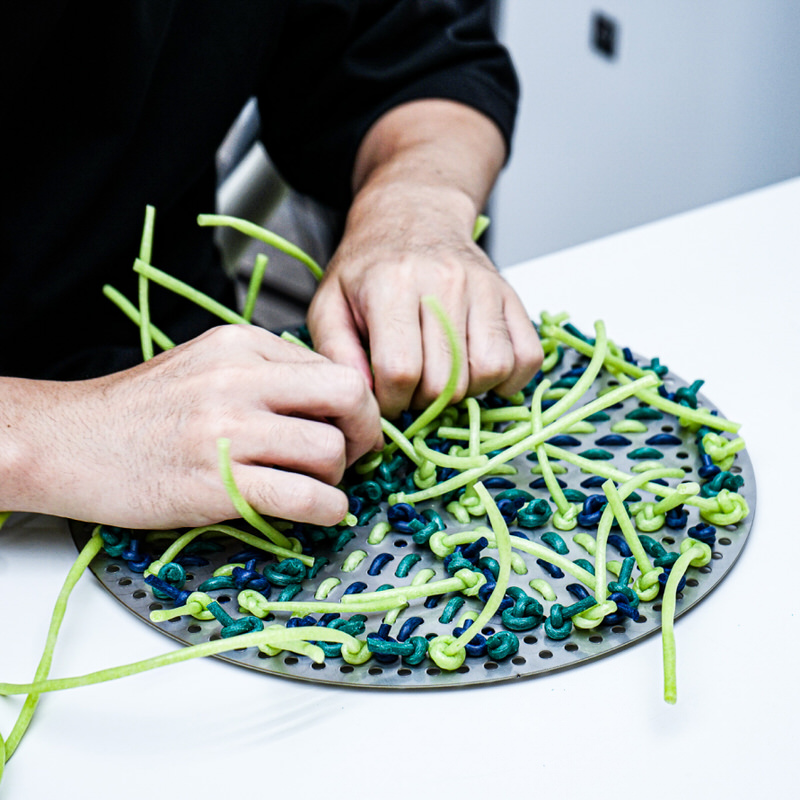
The top surface of the stool is woven entirely of X-TPU, creating a colorful and comfortable seating surface.
By weaving X-TPU into a bundle, we created a handle that is easy to carry and resistant to wear, while also adding a touch of design expression.
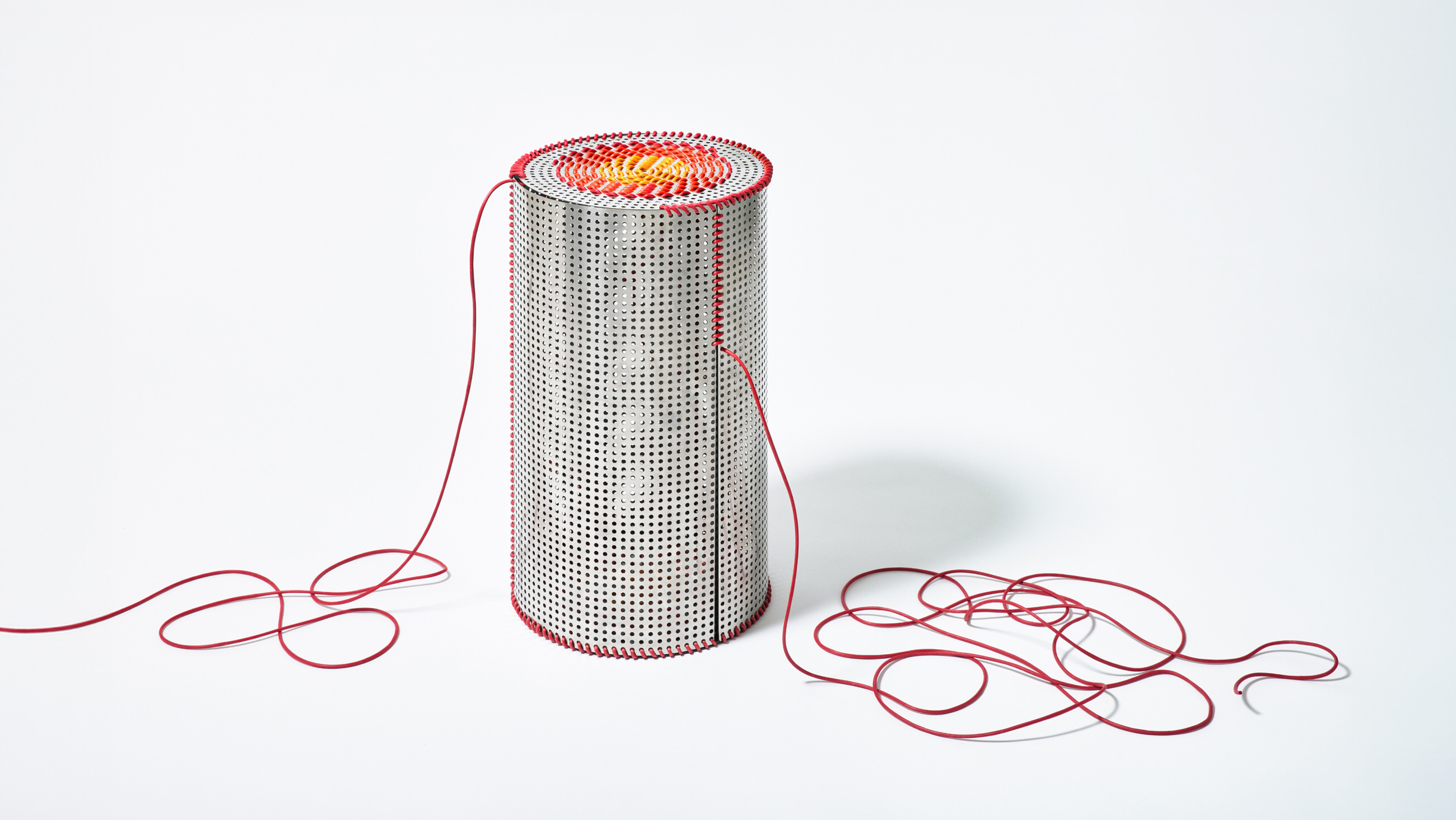
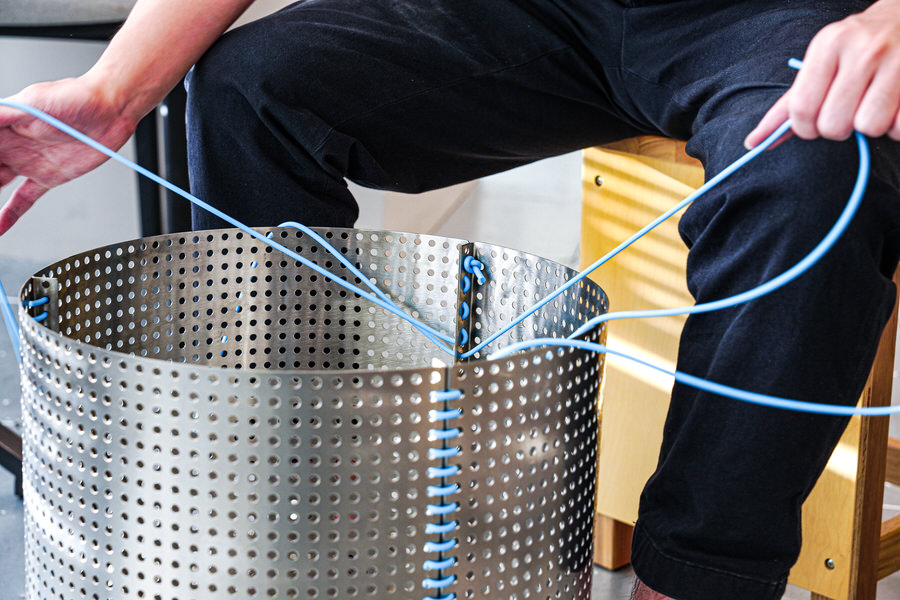
Stitch is made by simply weaving two materials, X-TPU and perforated metal sheet. Since no adhesives or screws are used, the design allows the materials to be easily disassembled and recycled separately after the product has served its purpose.
Research
We approached the design by first considering what would be the optimal prototype to intuitively convey the material characteristics of high stretchability and strength in a cord-like form.
We approached the design by first considering what would be the optimal prototype to intuitively convey the material characteristics of high stretchability and strength in a cord-like form.
Aiming to directly convey the characteristics of X-TPU, we designed a structure where all joints between parts are held together solely by cord stitching. This prototype directly links the assembly method of the object to its functionality.