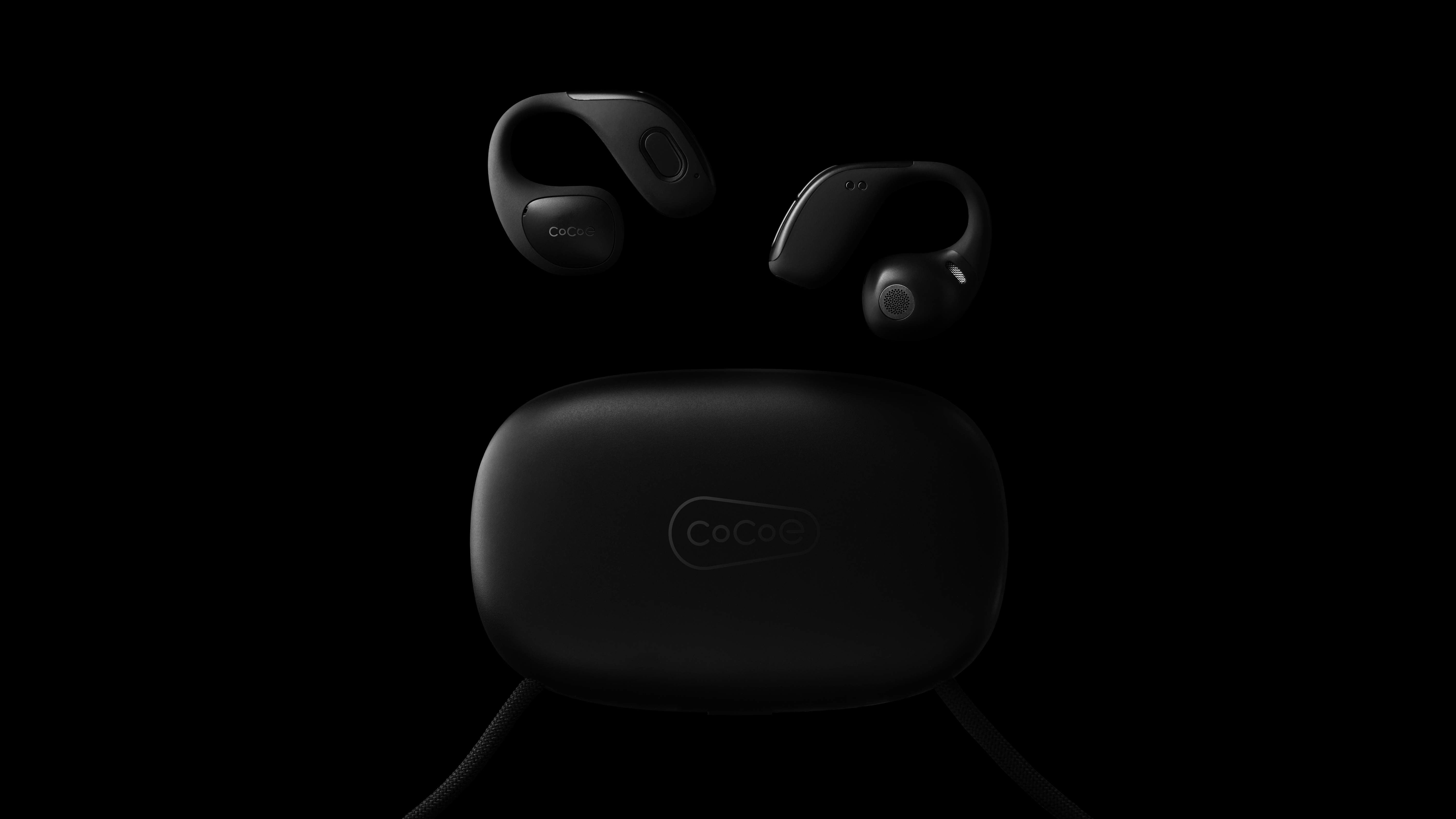
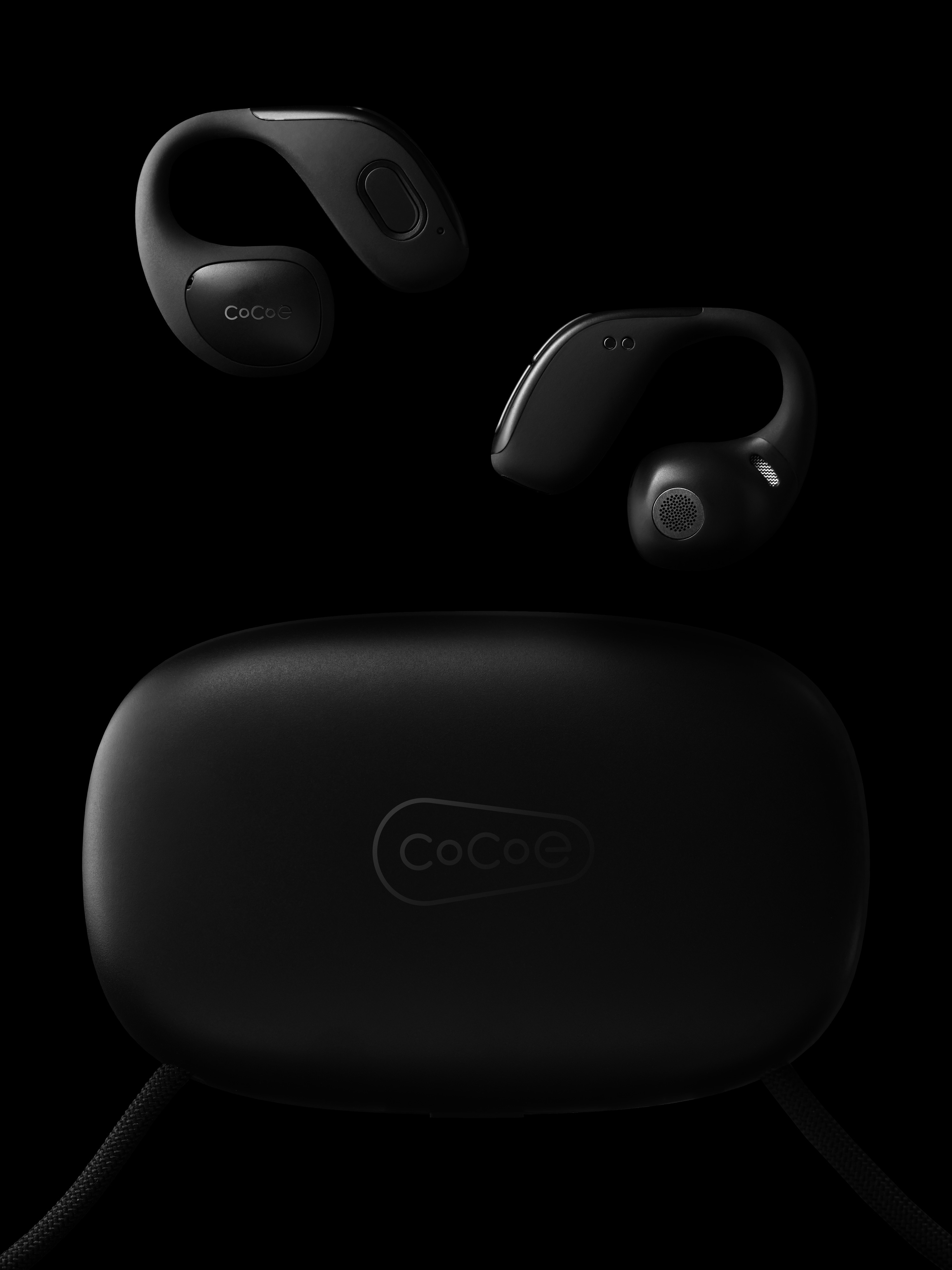
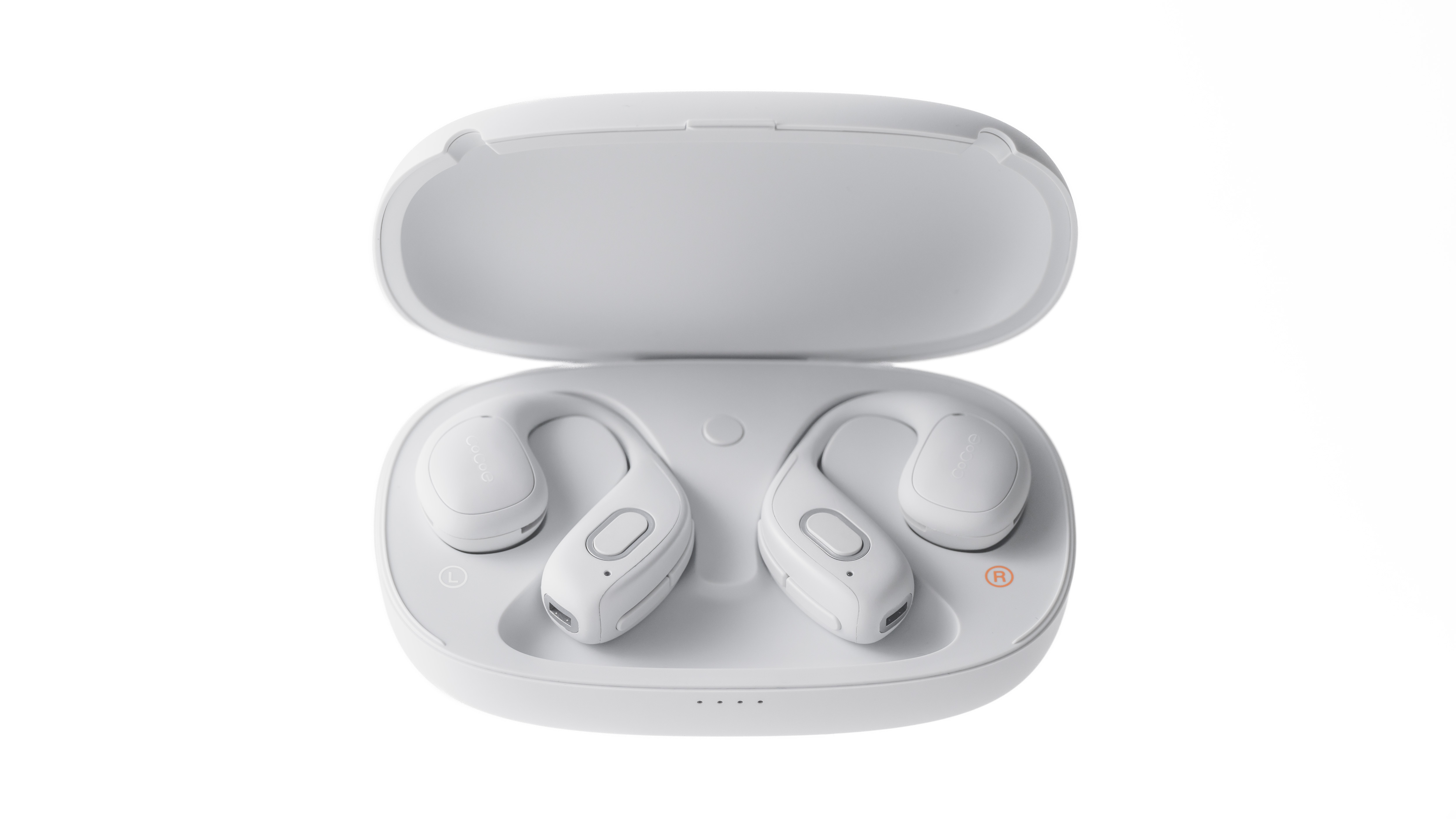
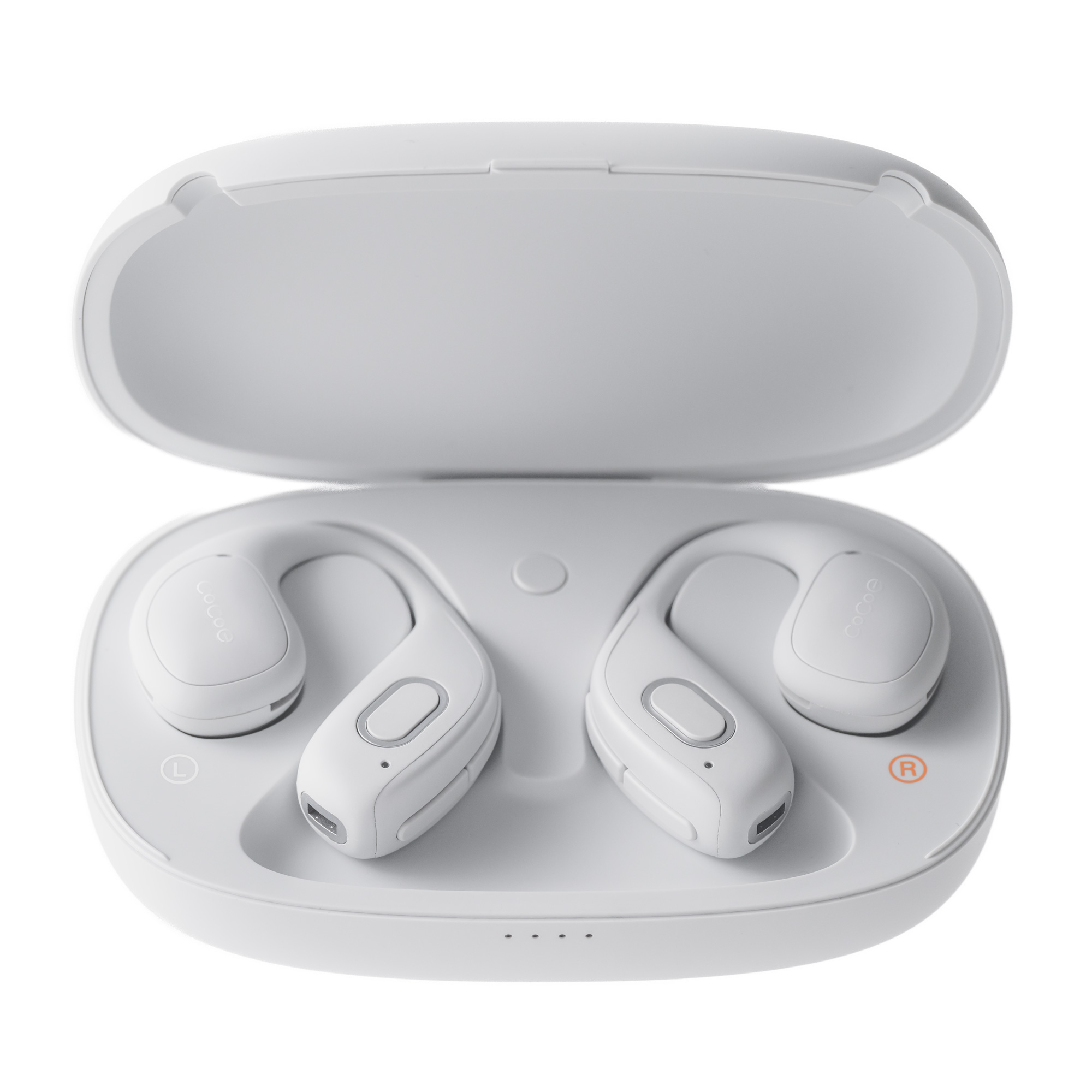
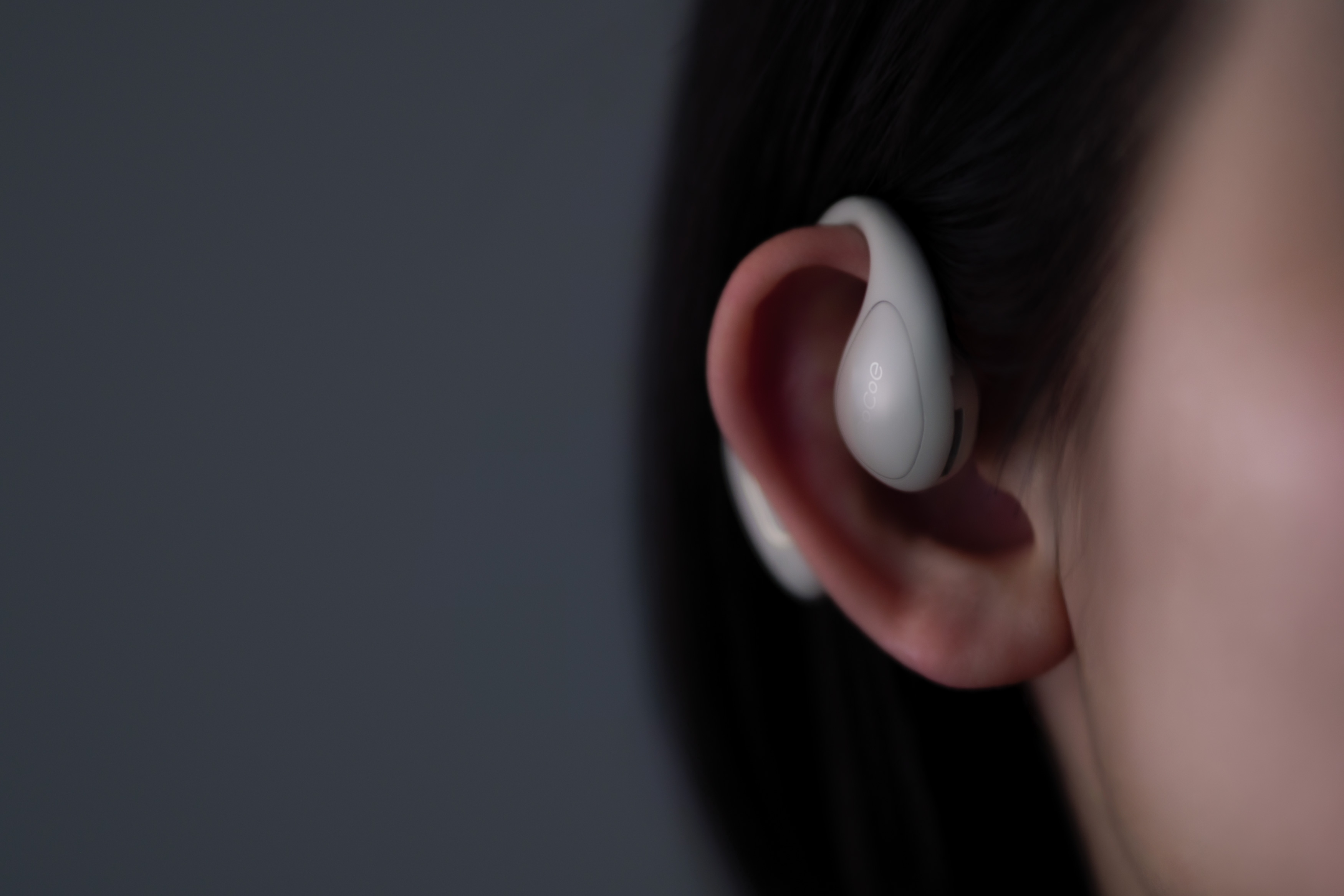
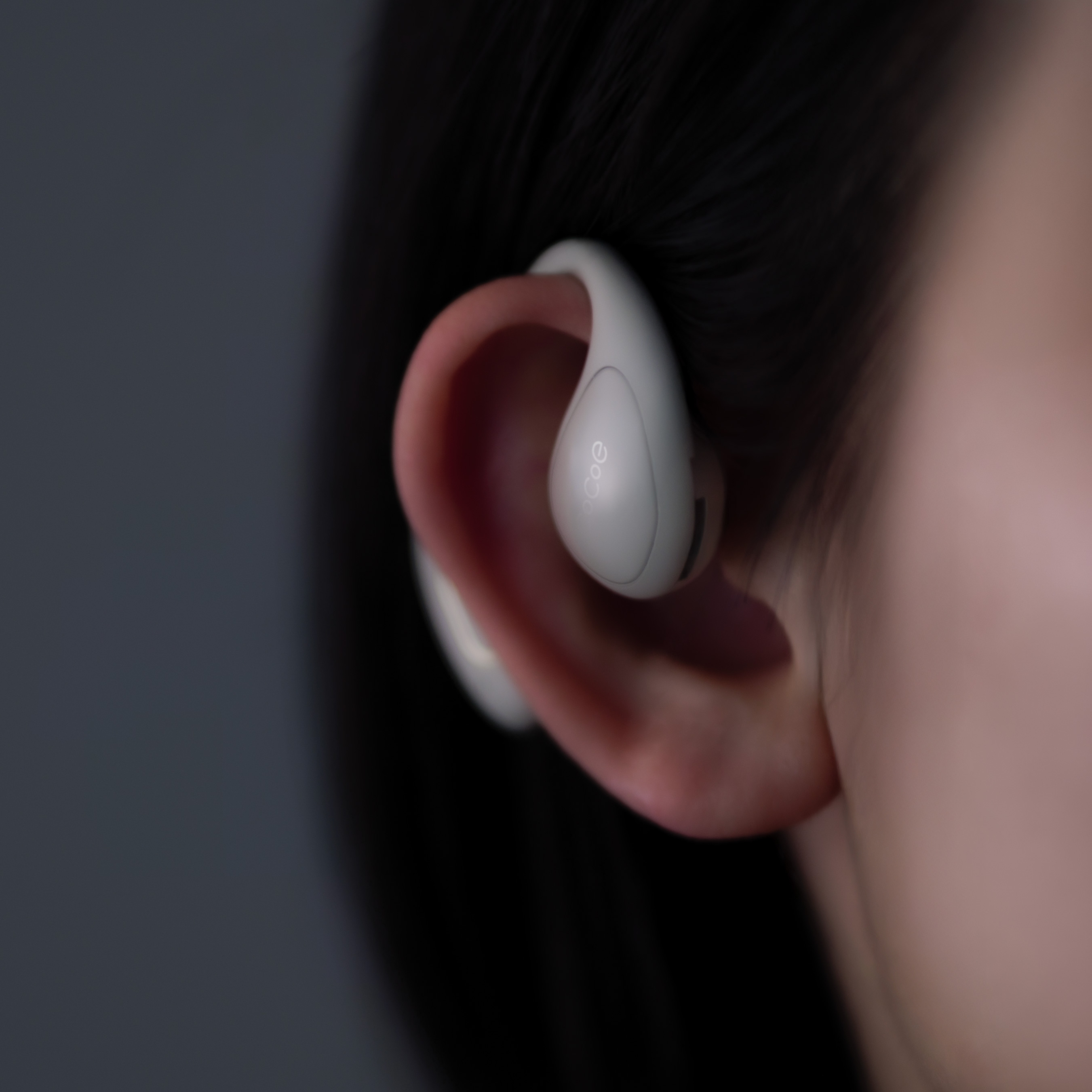
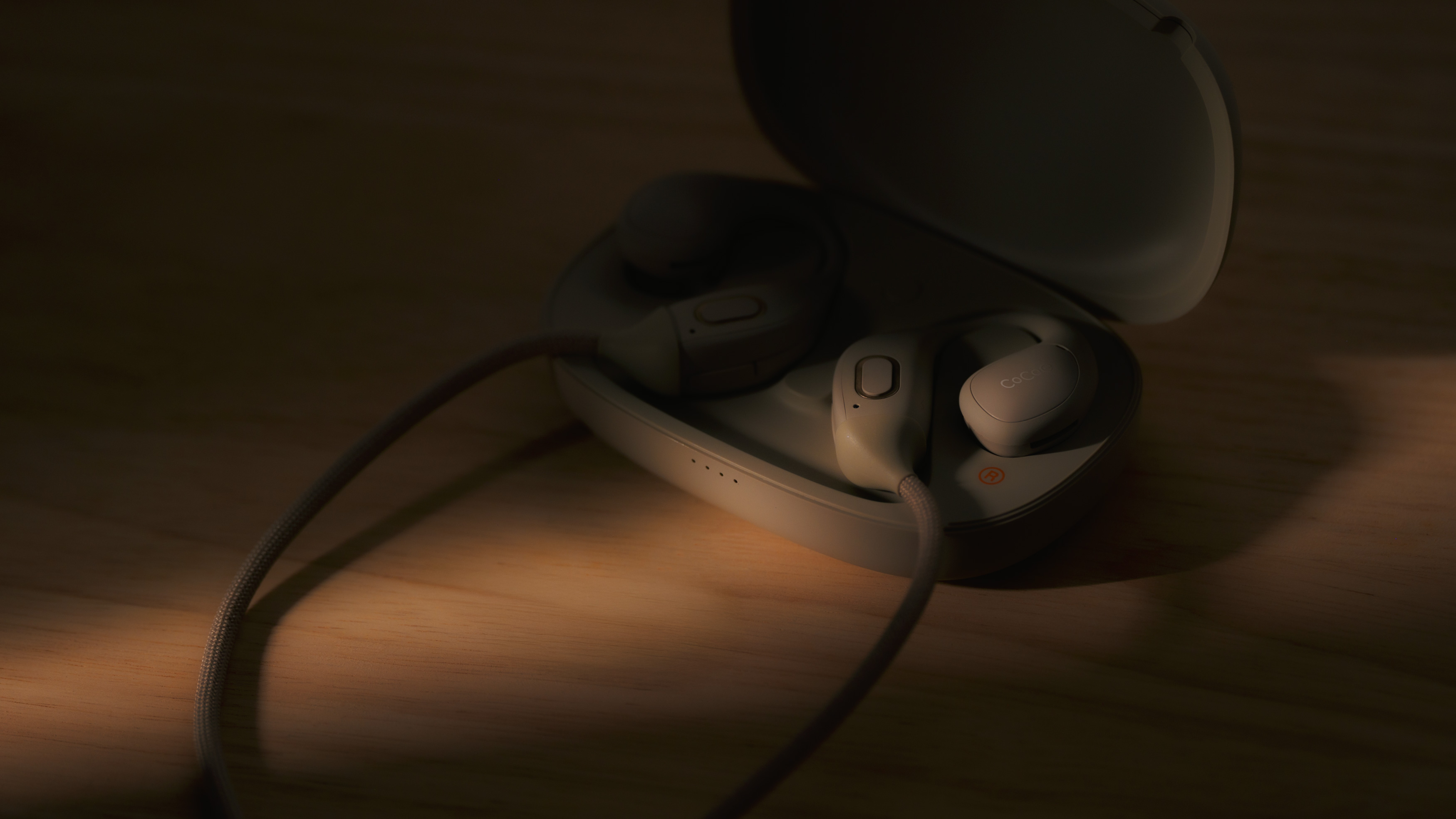
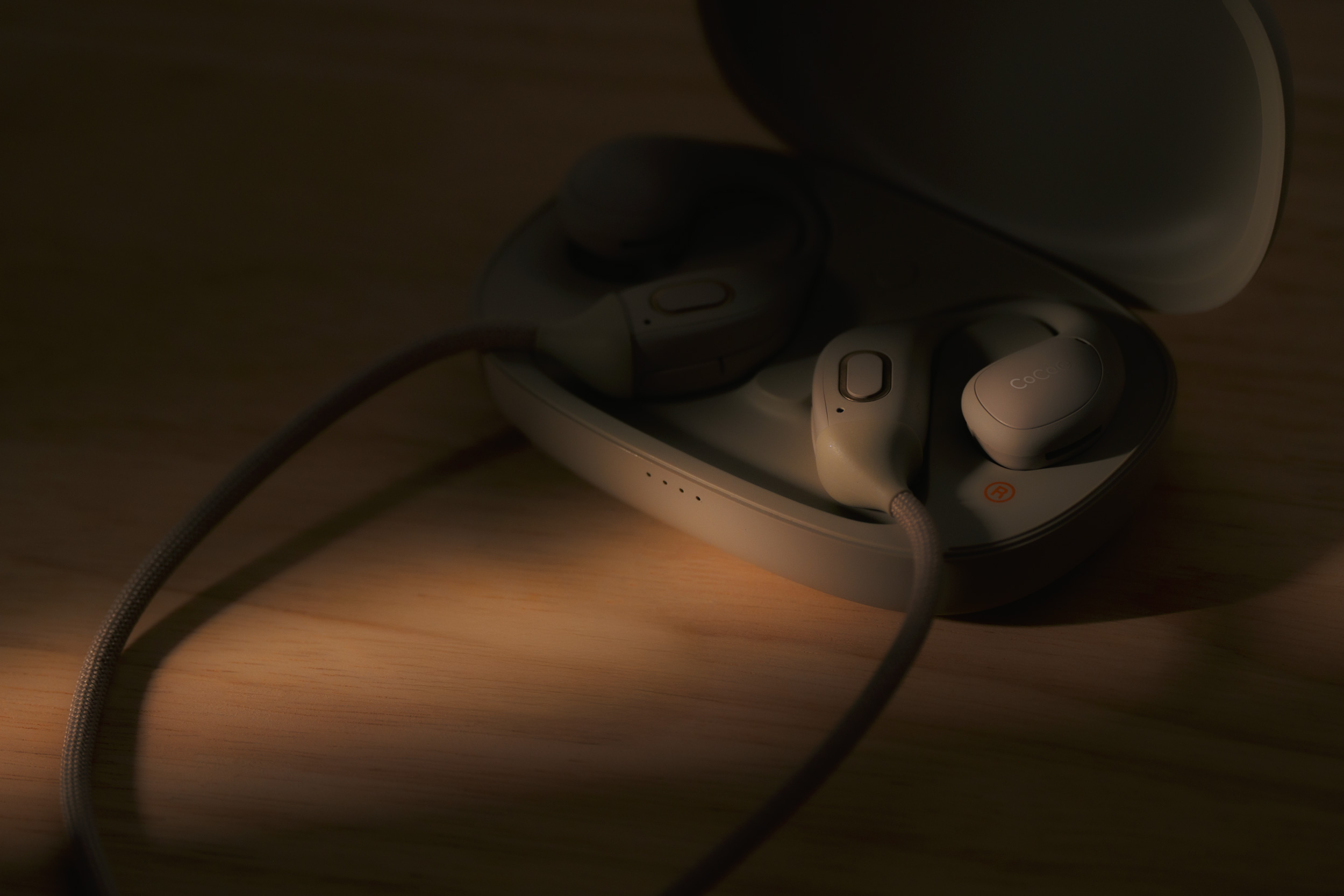
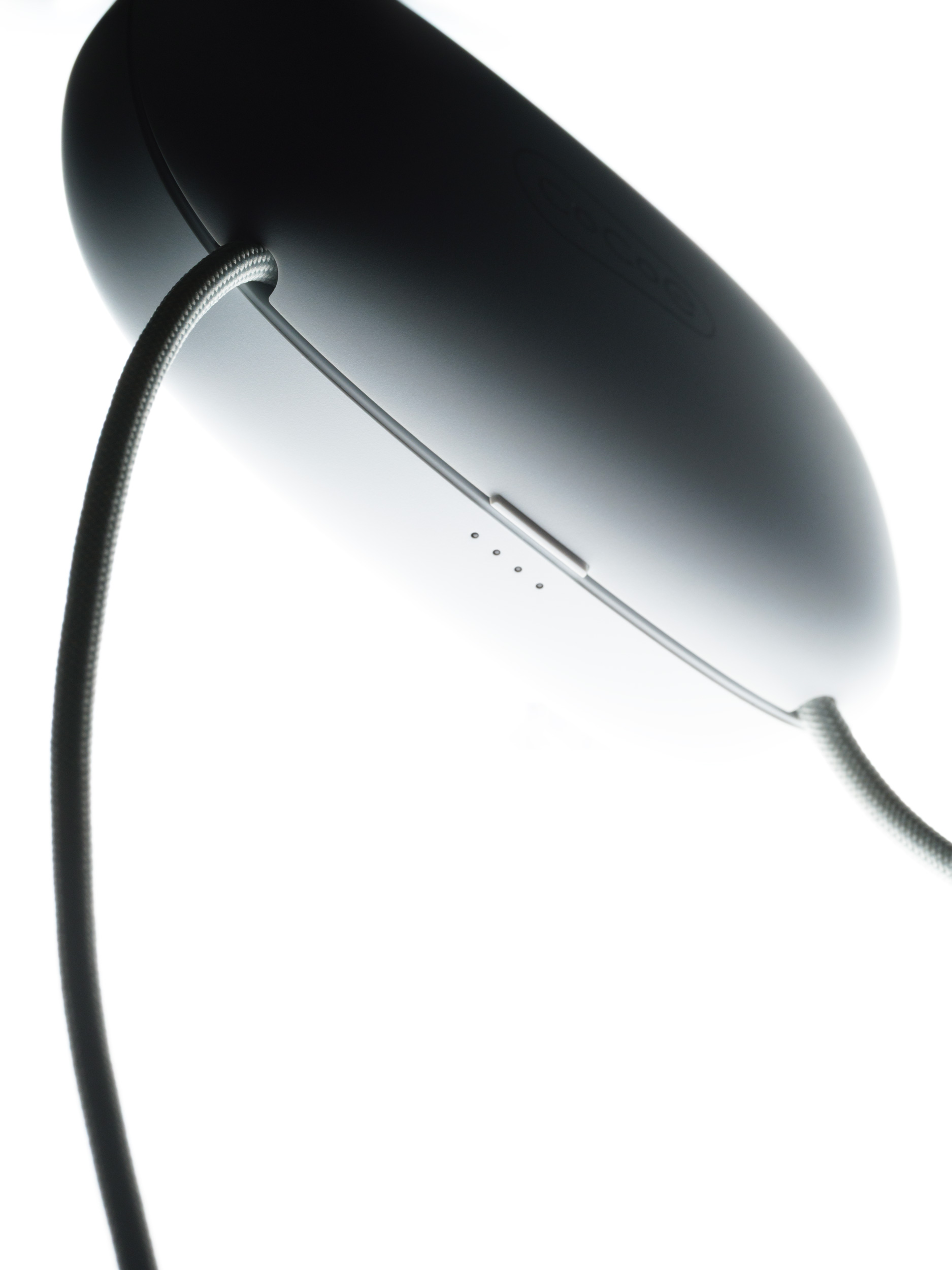
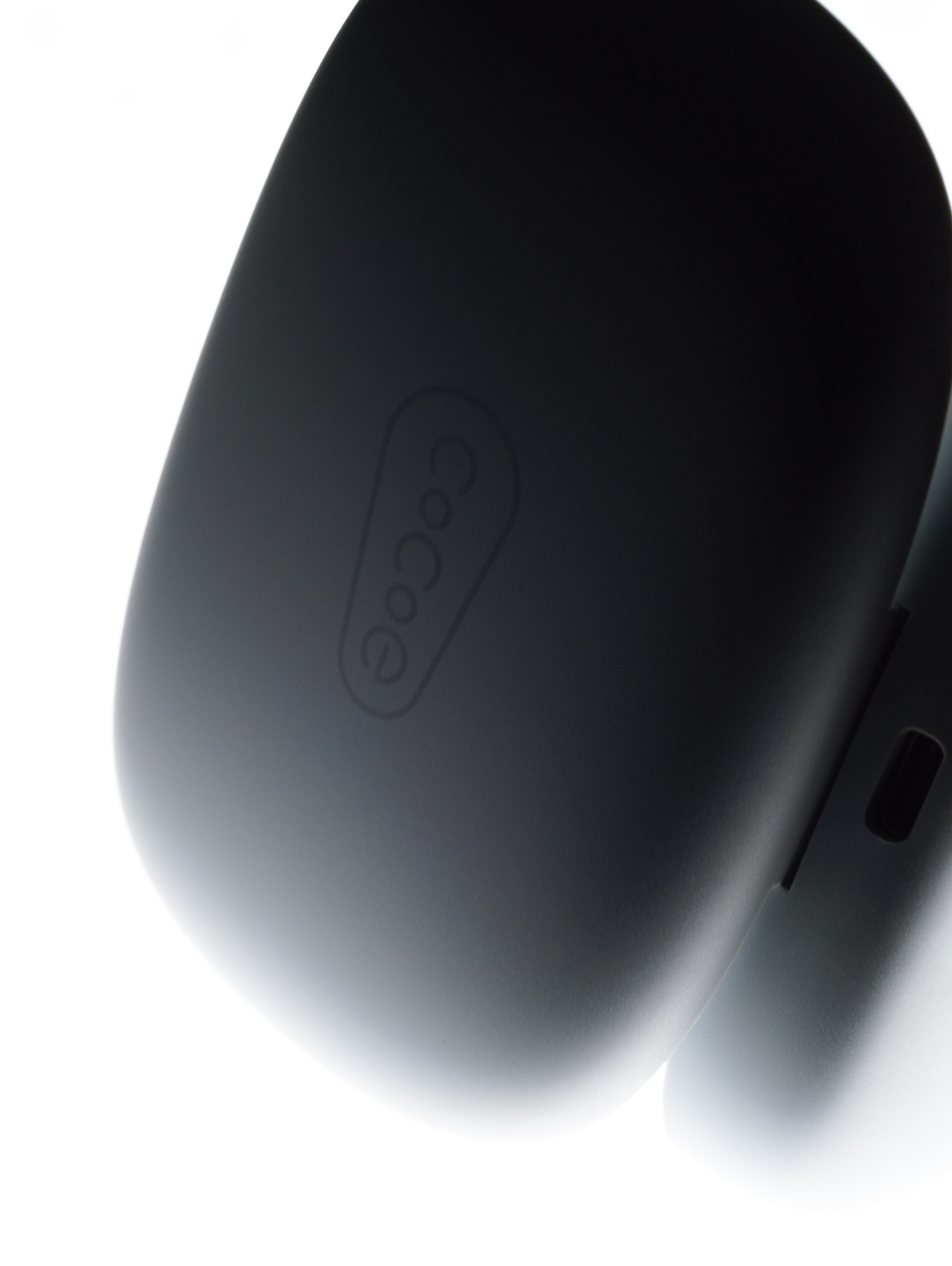
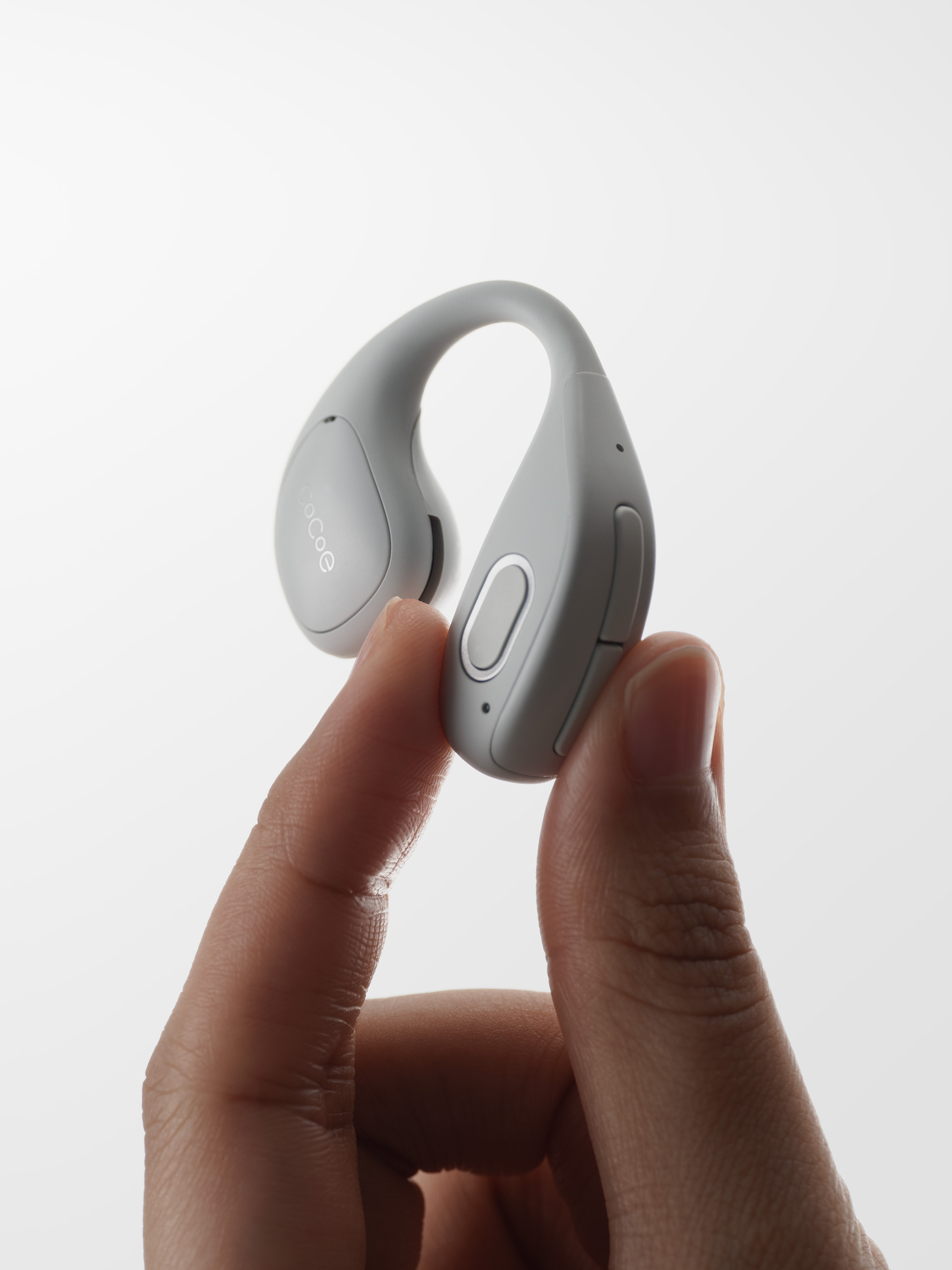
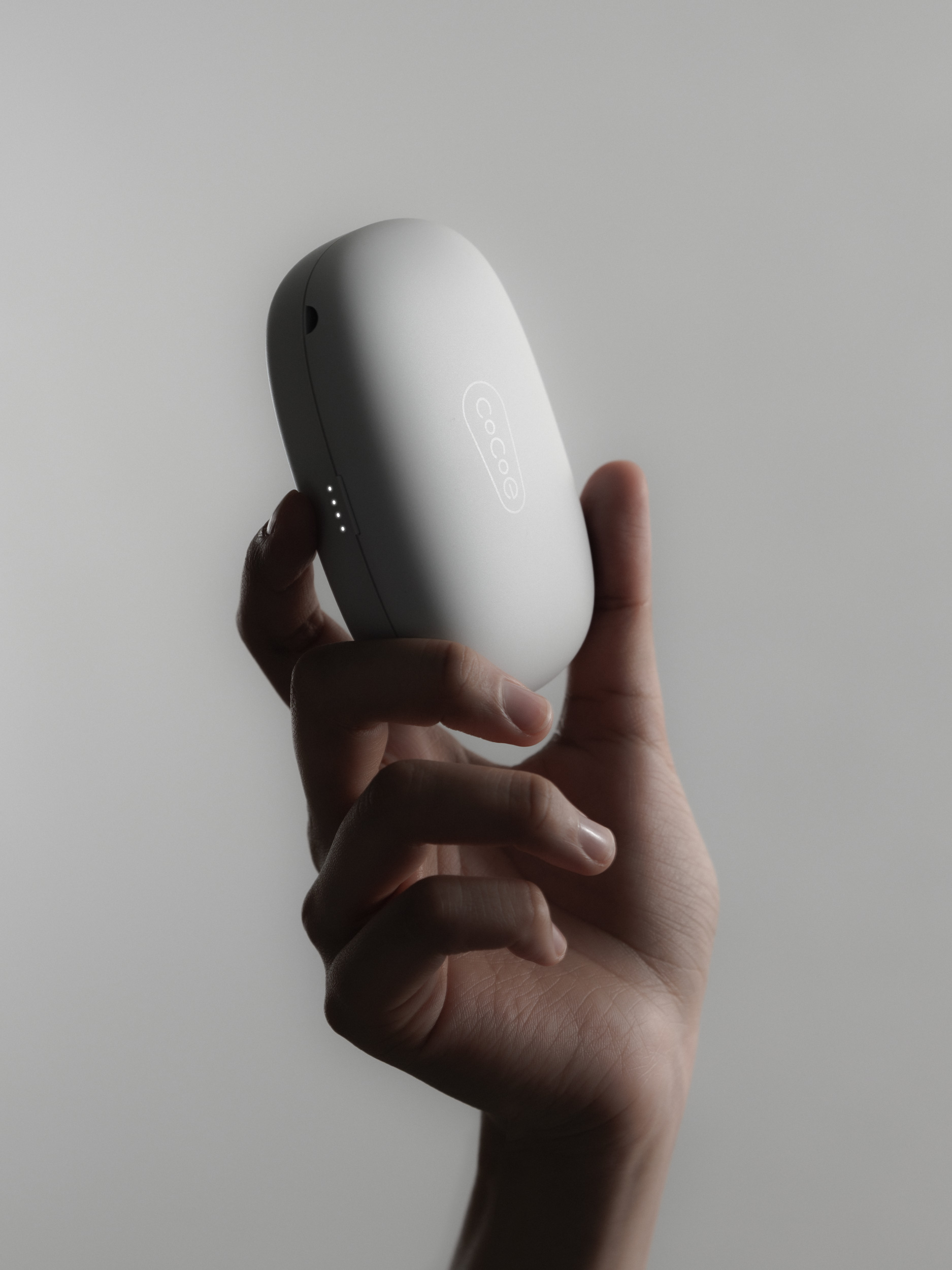
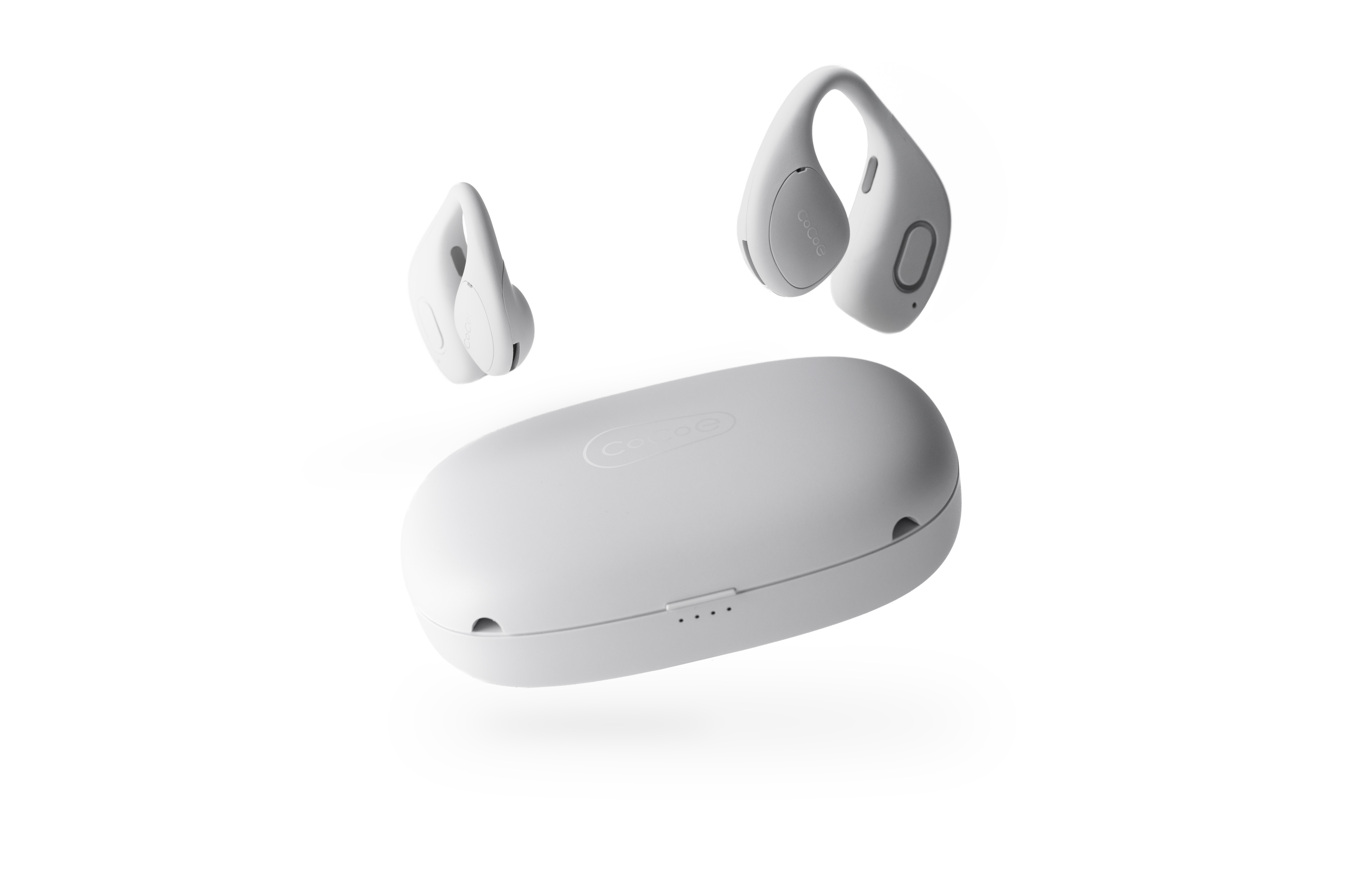
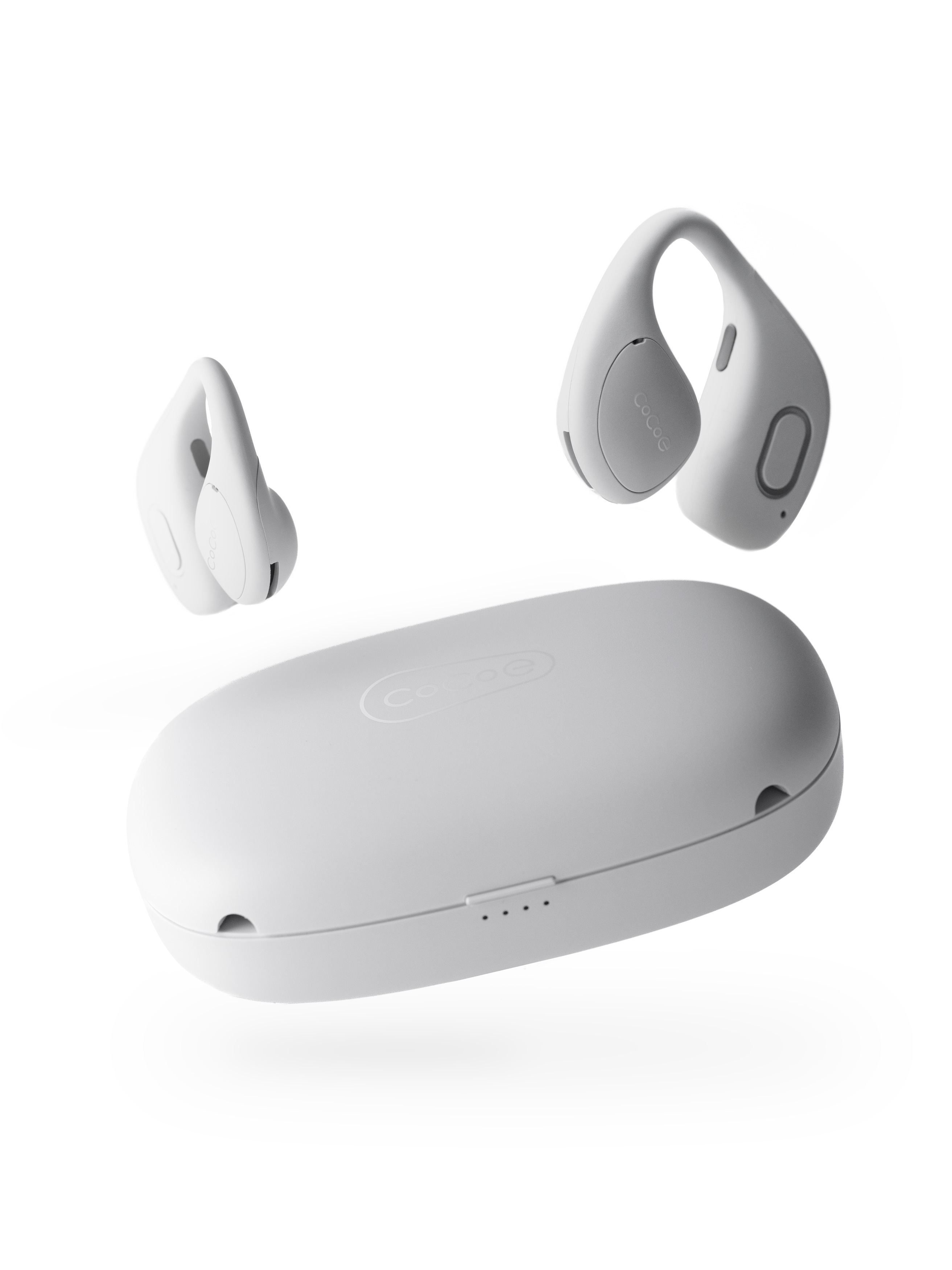
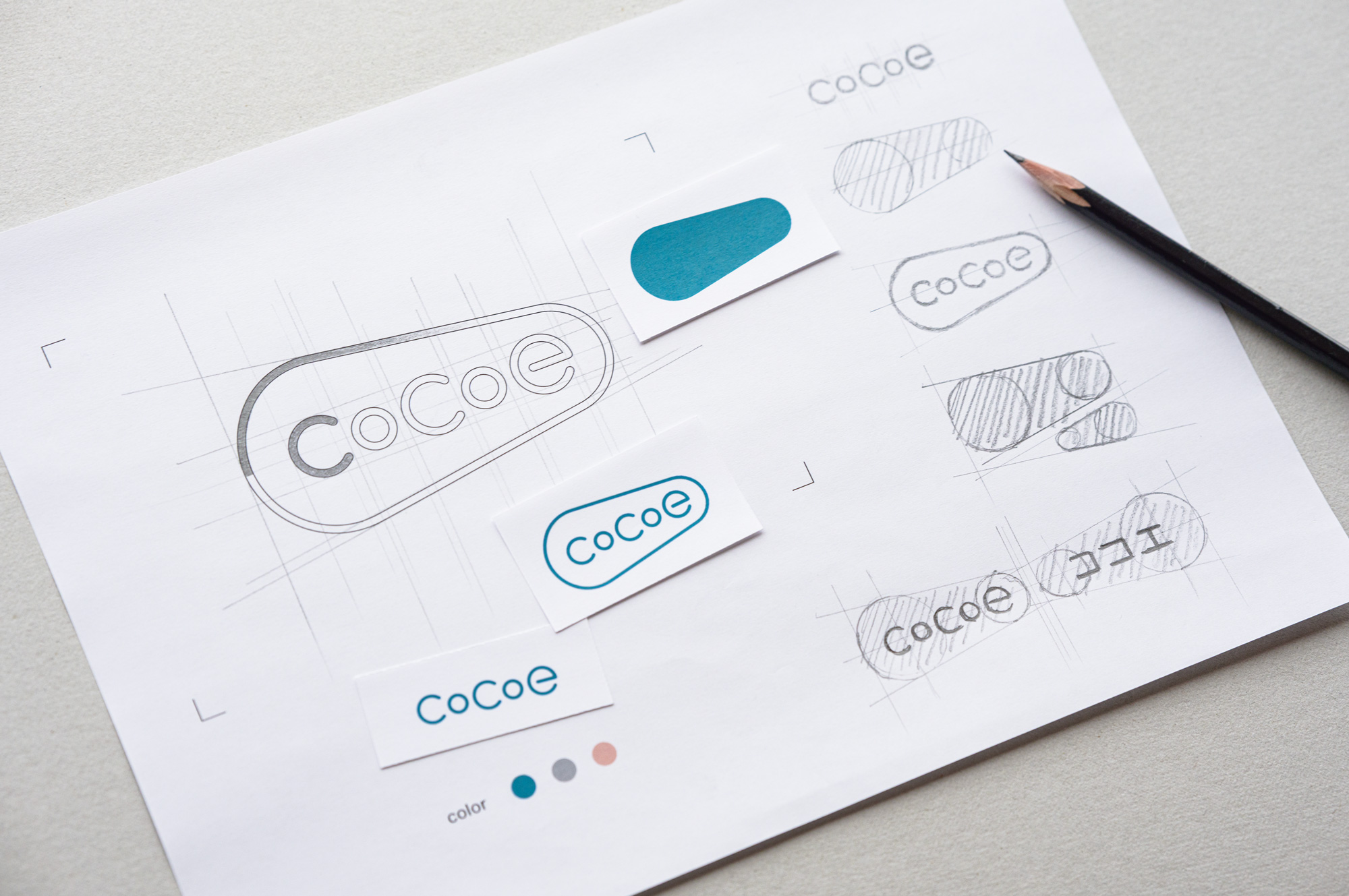
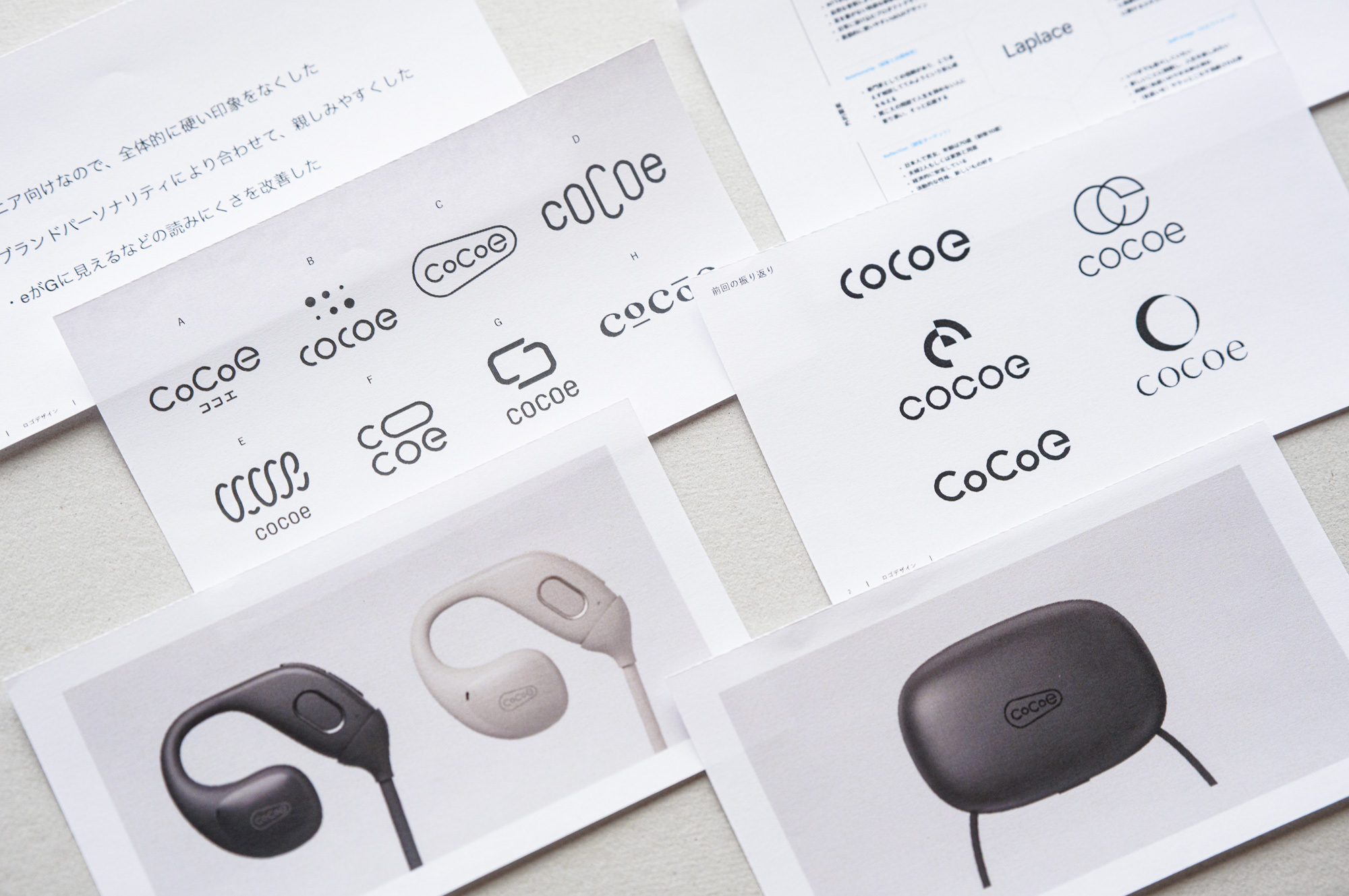
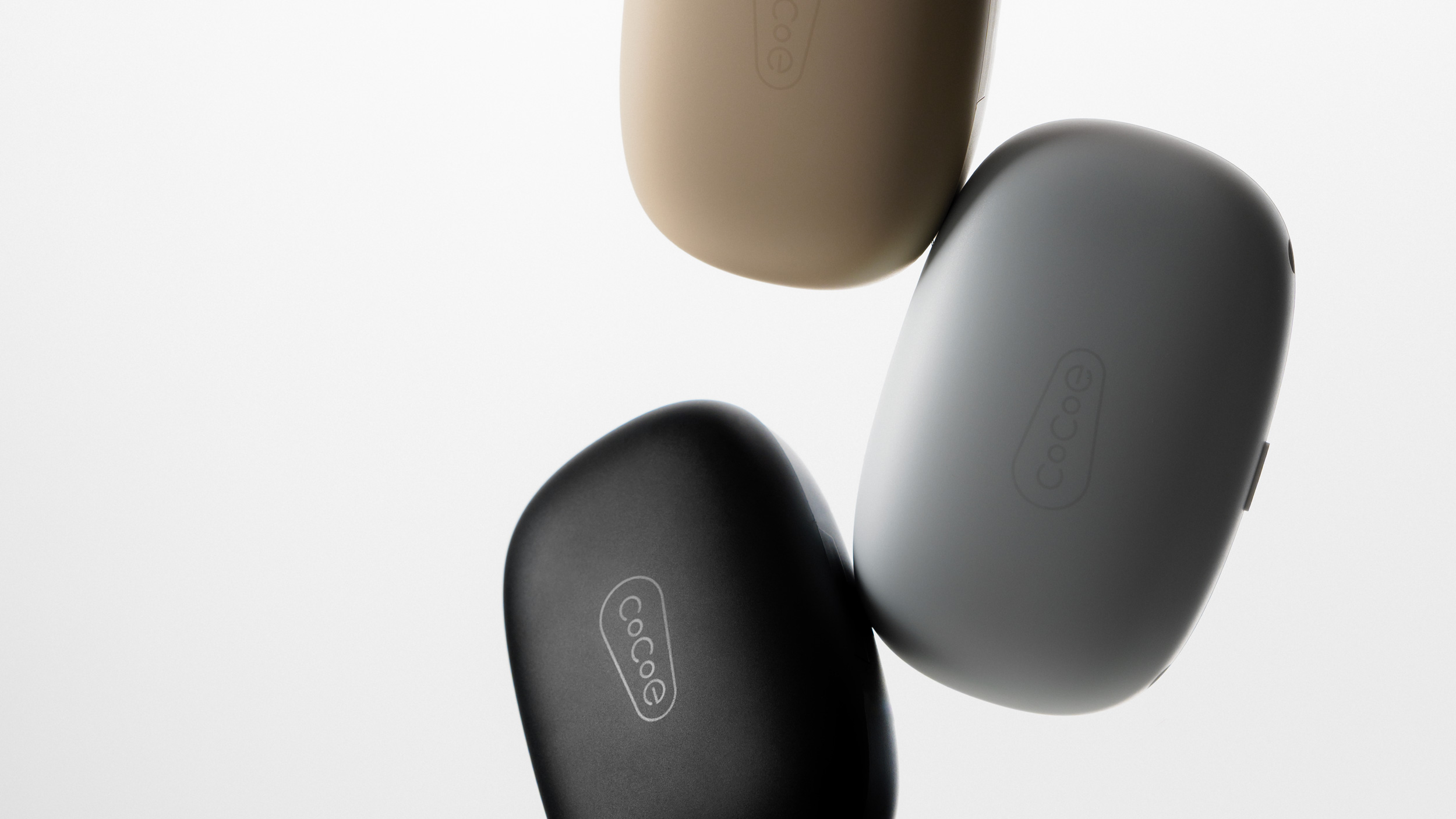
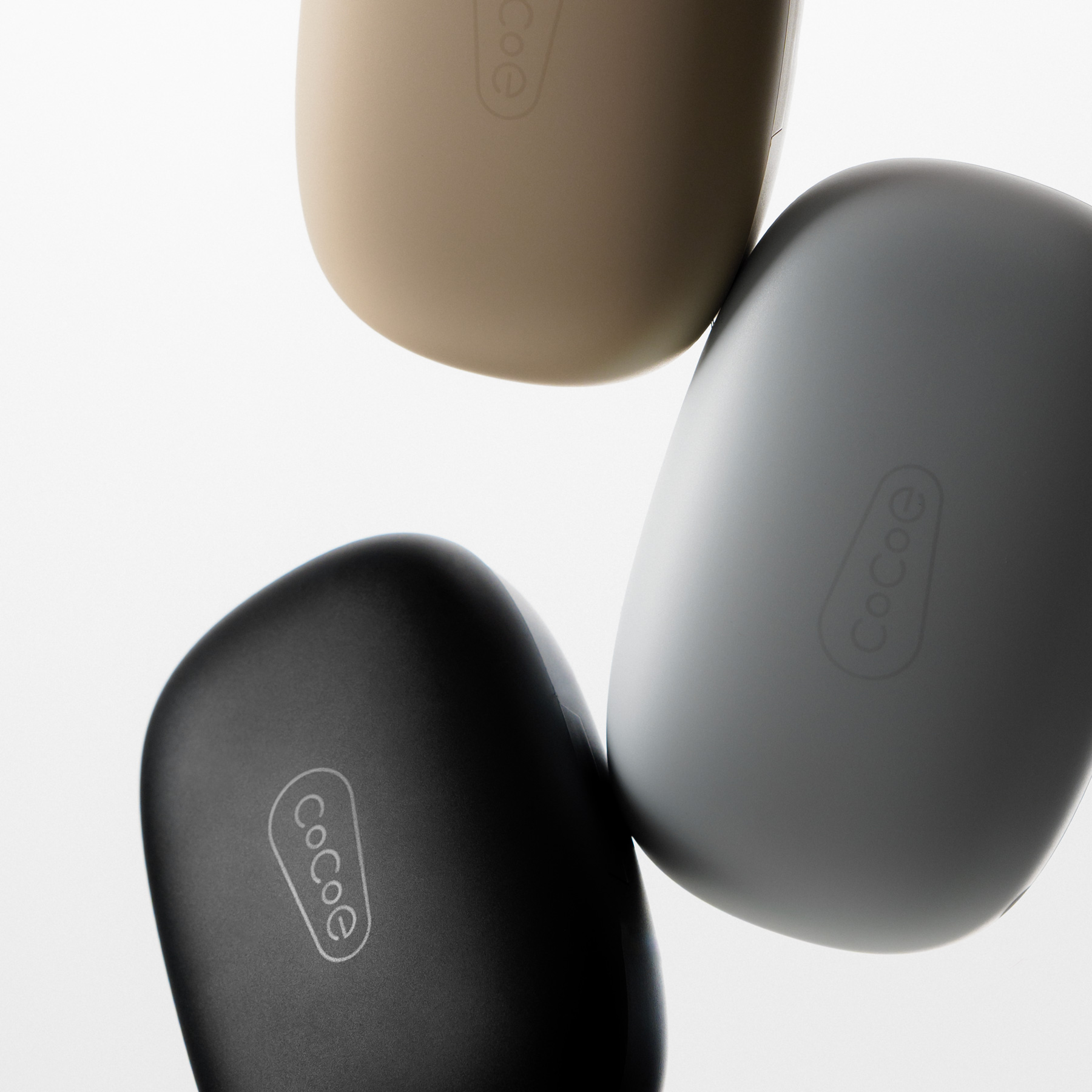
cocoe is a new brand by NTT Sonority that enhances everyday life through a new approach towards hearing, powered by the advanced acoustic technologies of the NTT Group.
In Japan, approximately 14.3 million people*¹ are estimated to experience challenges related to hearing. This project was initiated with the vision of preventing social isolation and creating a social infrastructure where everyone can enjoy conversations and sounds in their own way. MEDUM joined the project as a development partner. By designing the optimal relationship between technology and design, the project aims to create a new lifestyle in which people can effortlessly extend their hearing—much like wearing a pair of glasses. Starting from early-stage design research, MEDUM supported the development across product design, service design, and branding. *¹ JapanTrak 2018 Research Report.
Client
NTT Sonority, Inc.
Year
2026
Category
Branding
Product Design
Photo
MEDUM
Client
NTT Sonority, Inc.
Category
Branding
Product Design
Year
2026
Photo
MEDUM
Product
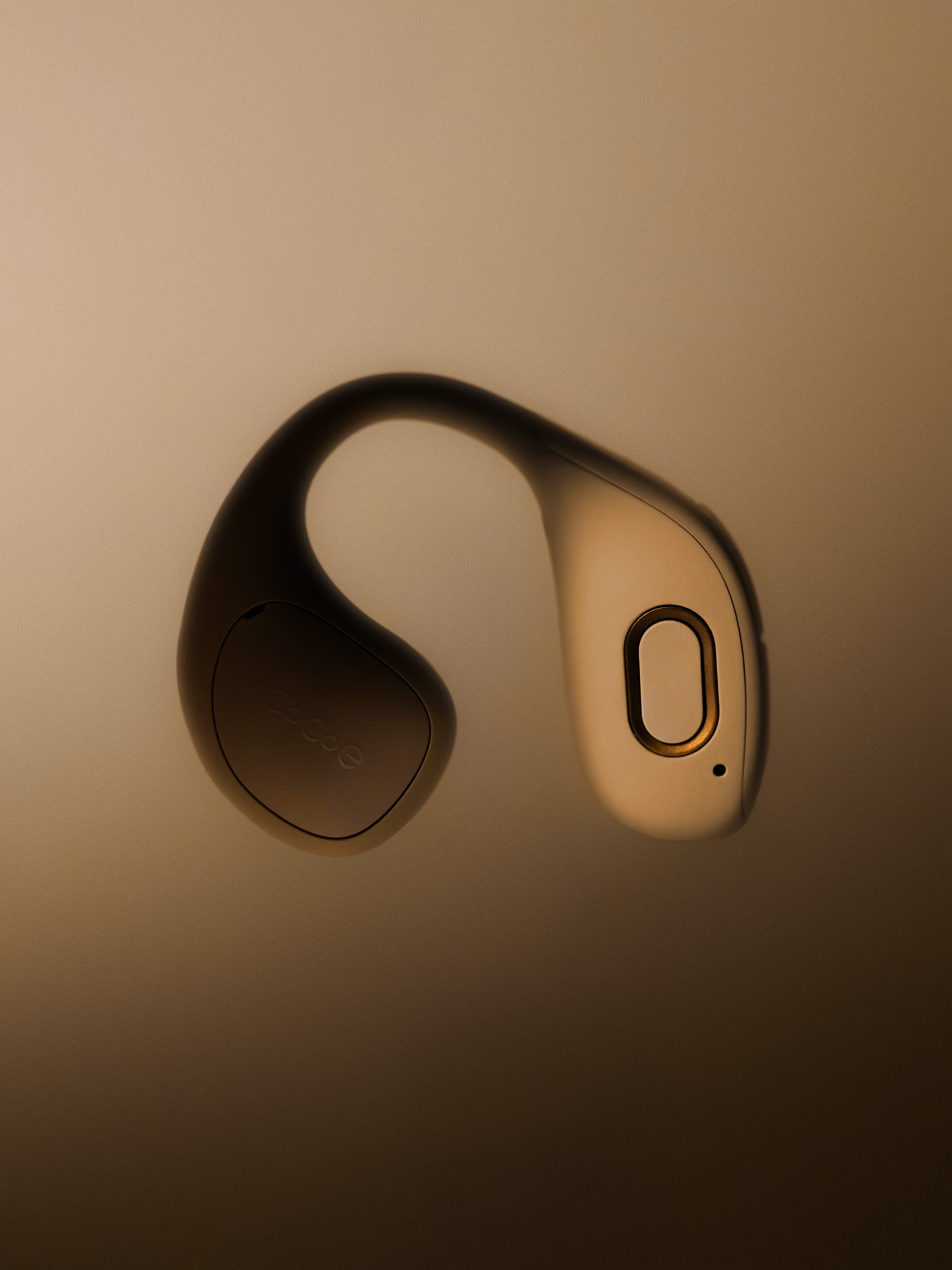
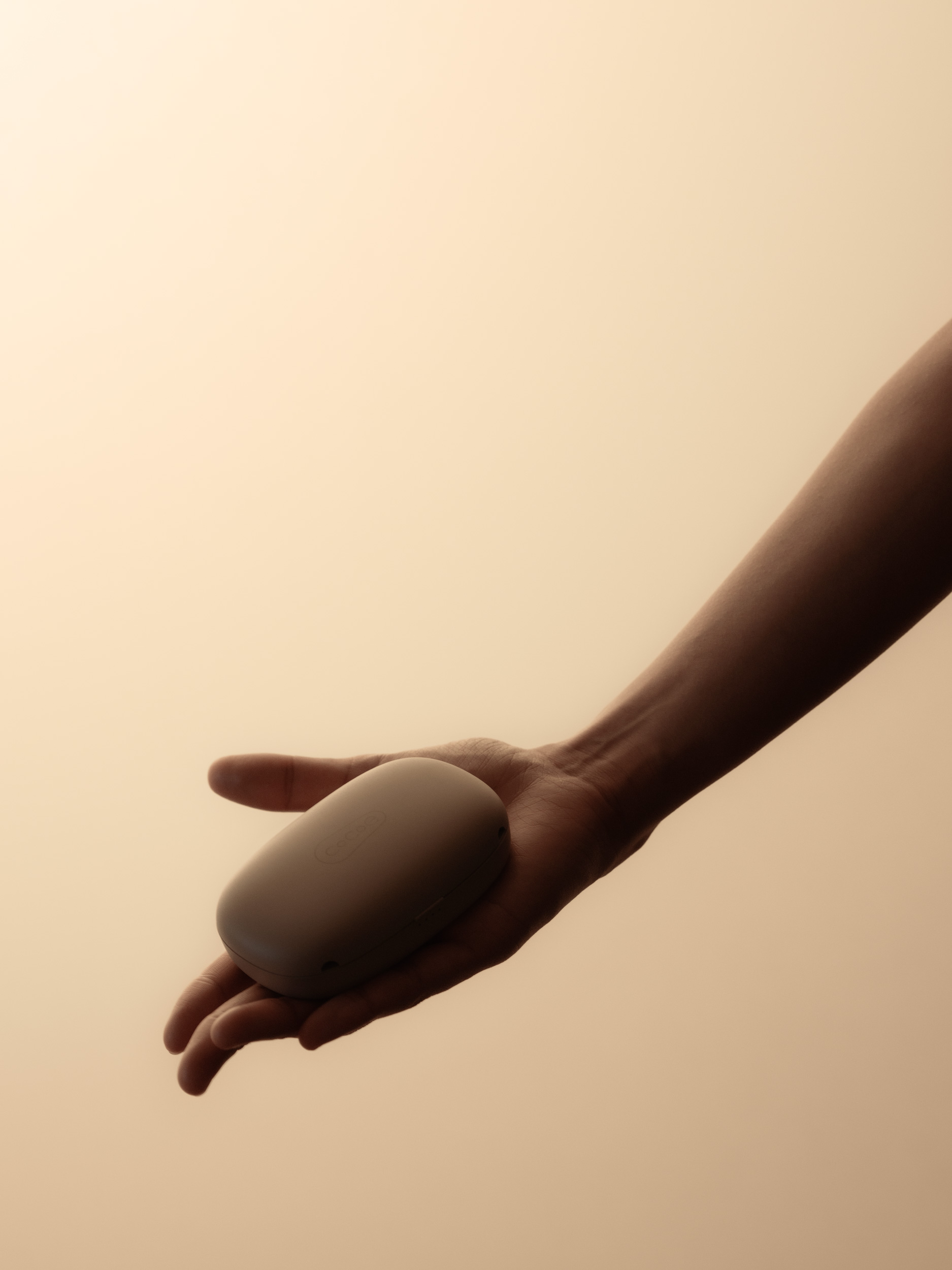
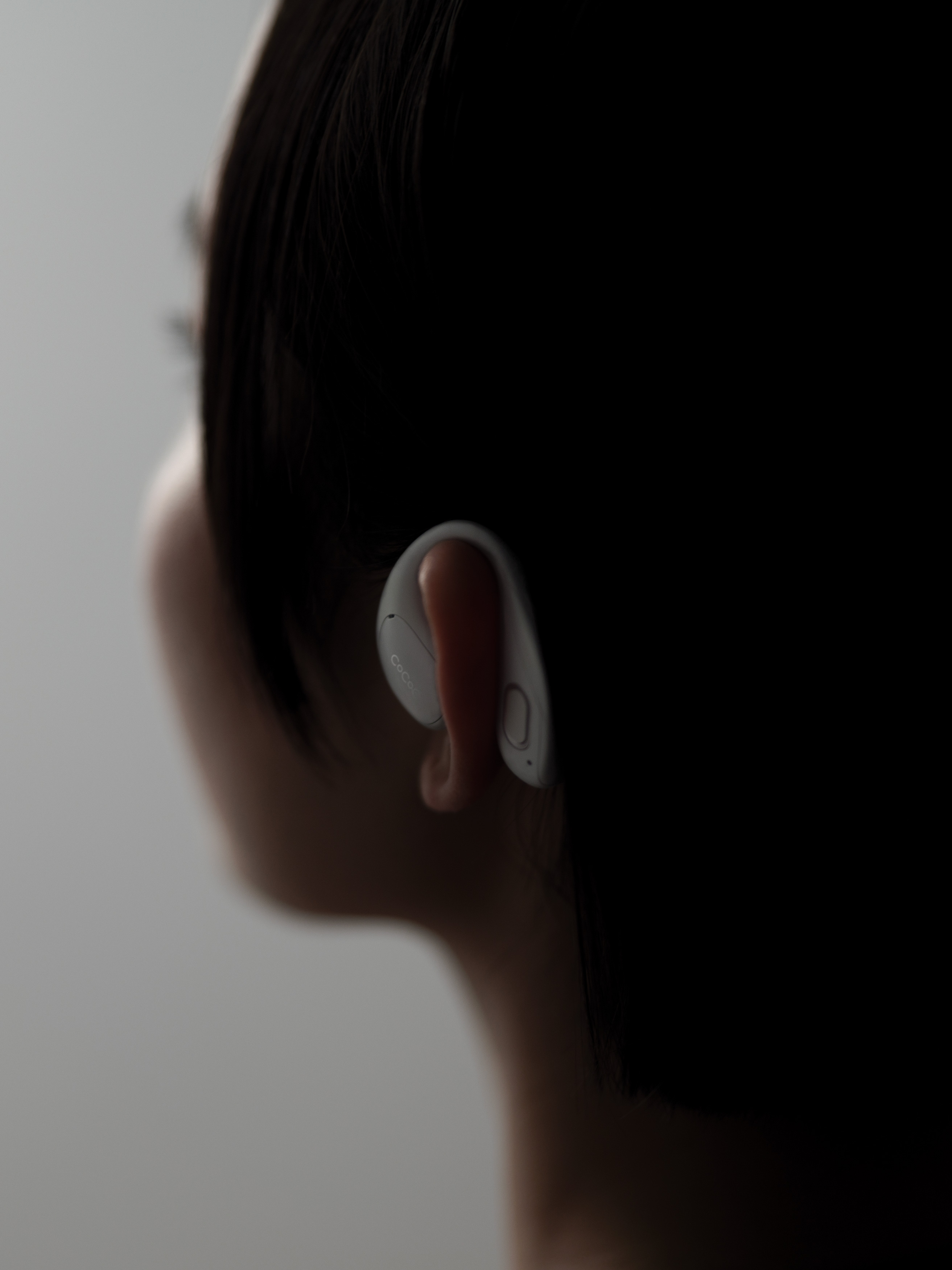
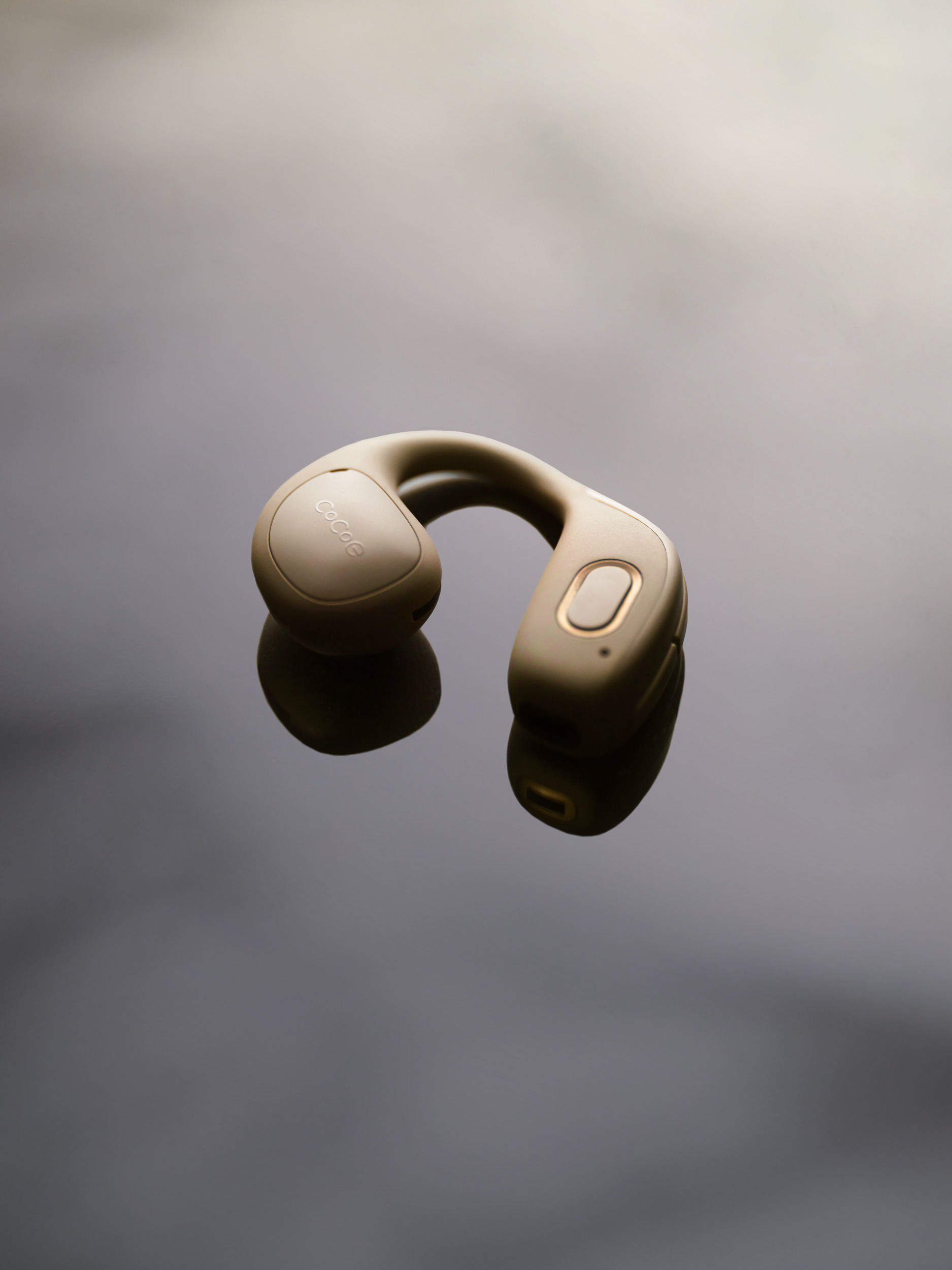
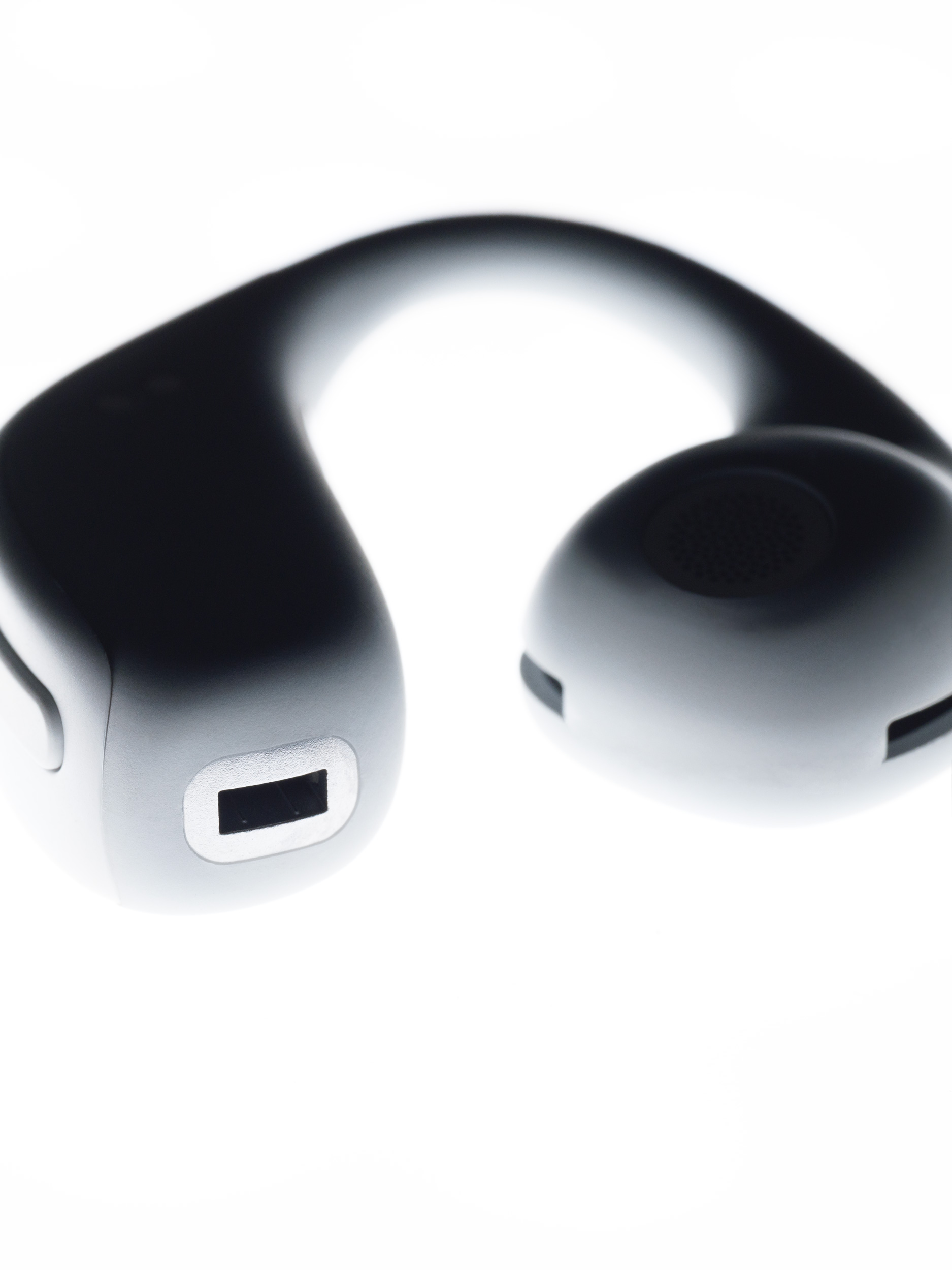
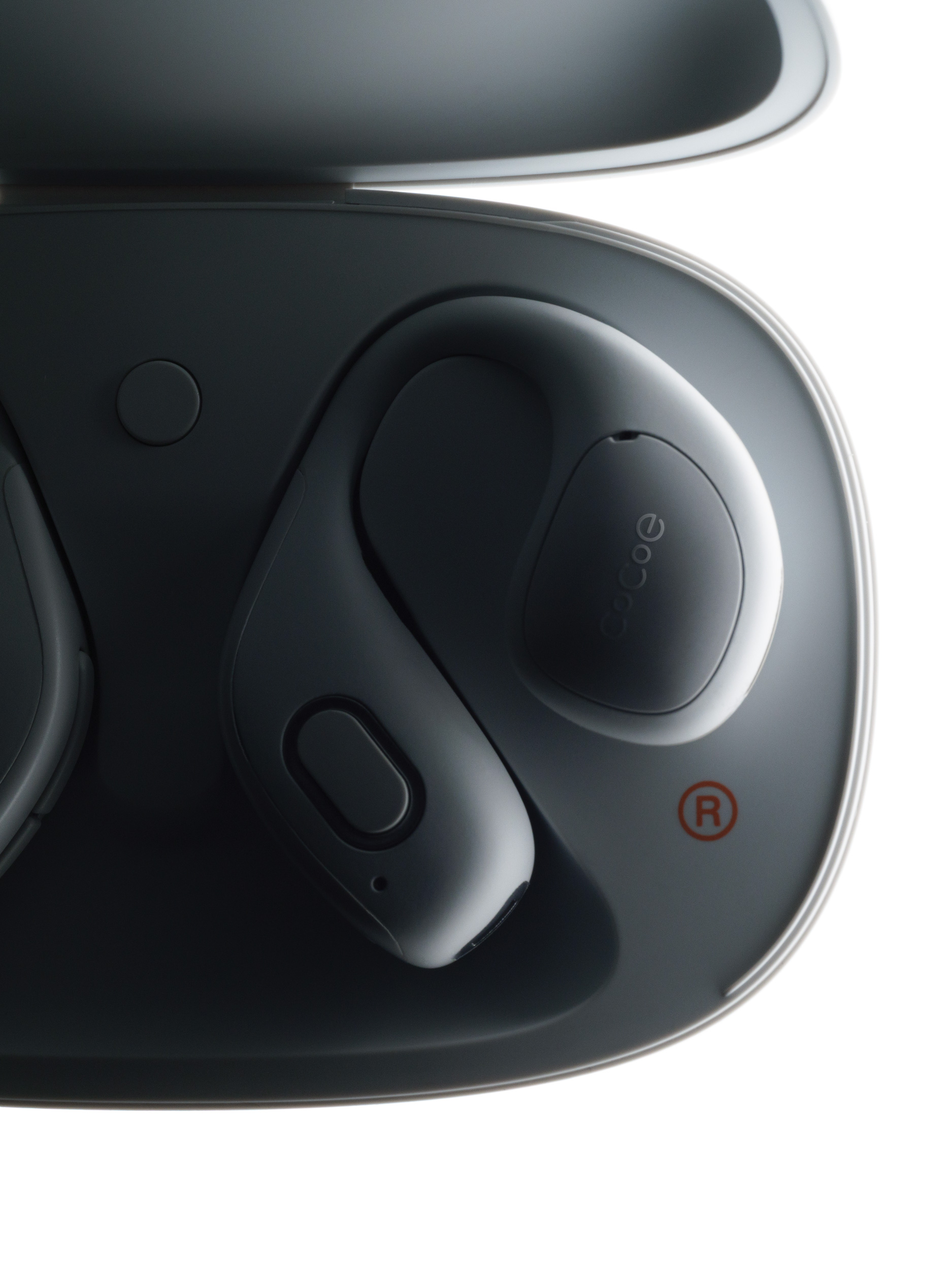
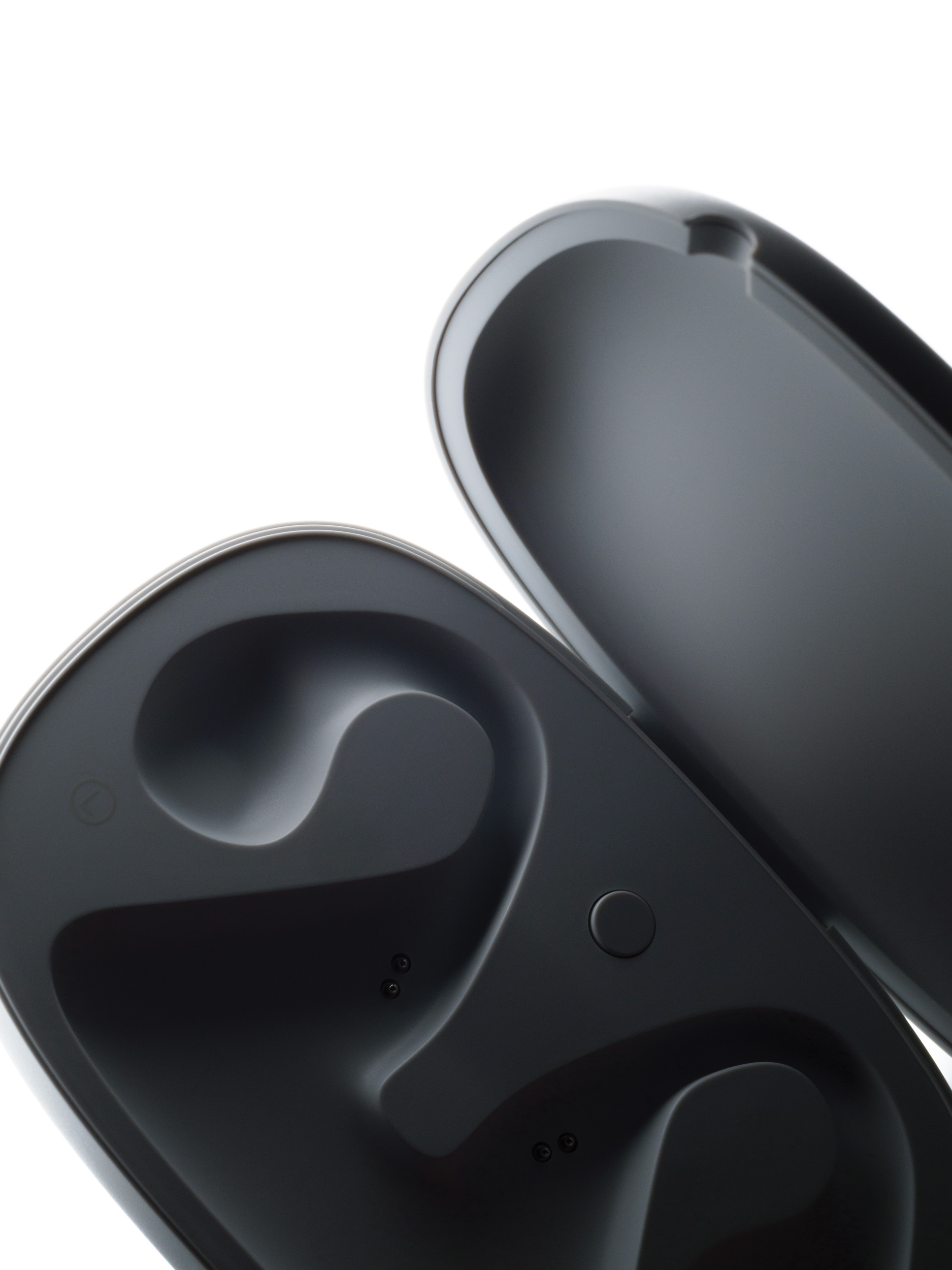
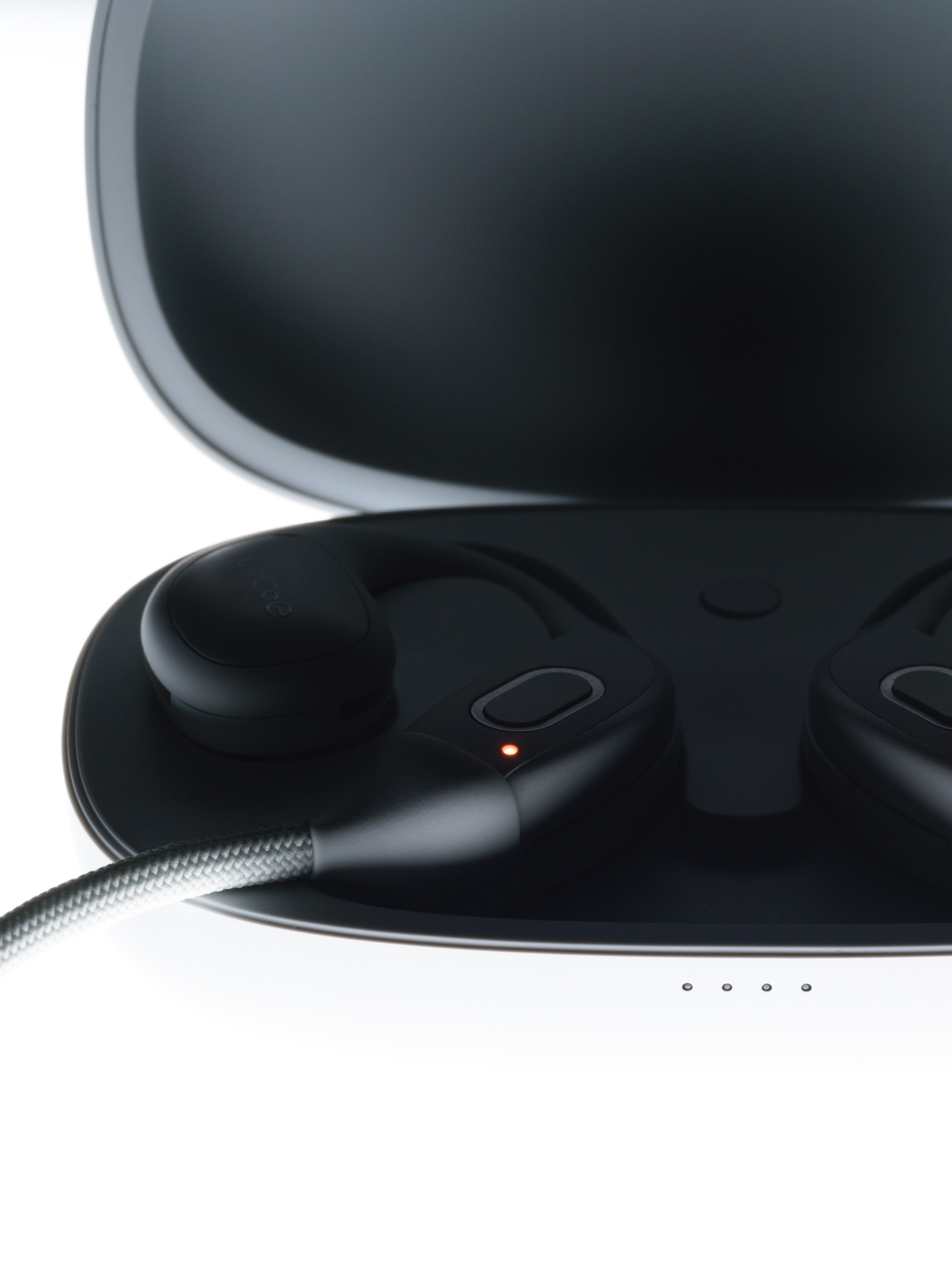
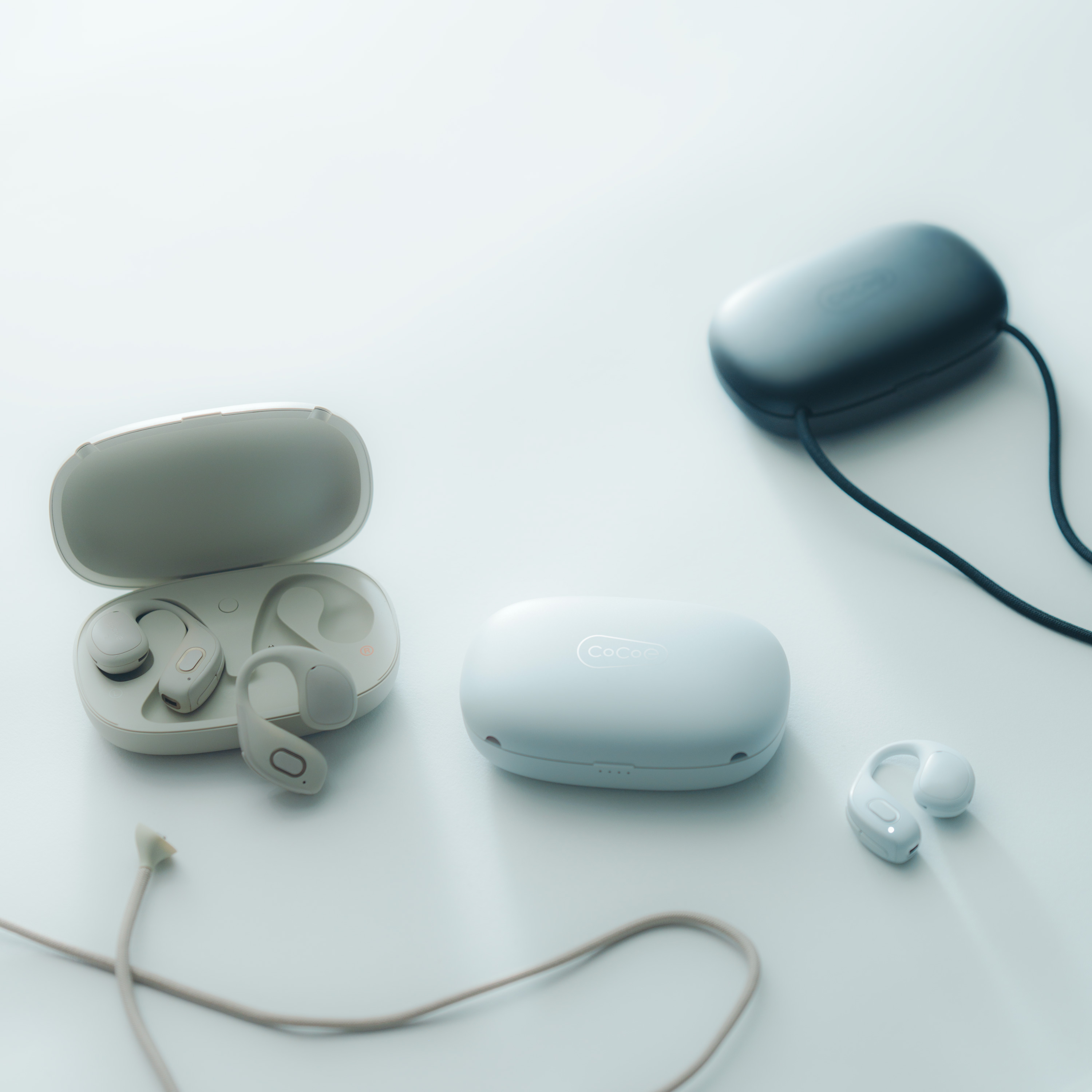
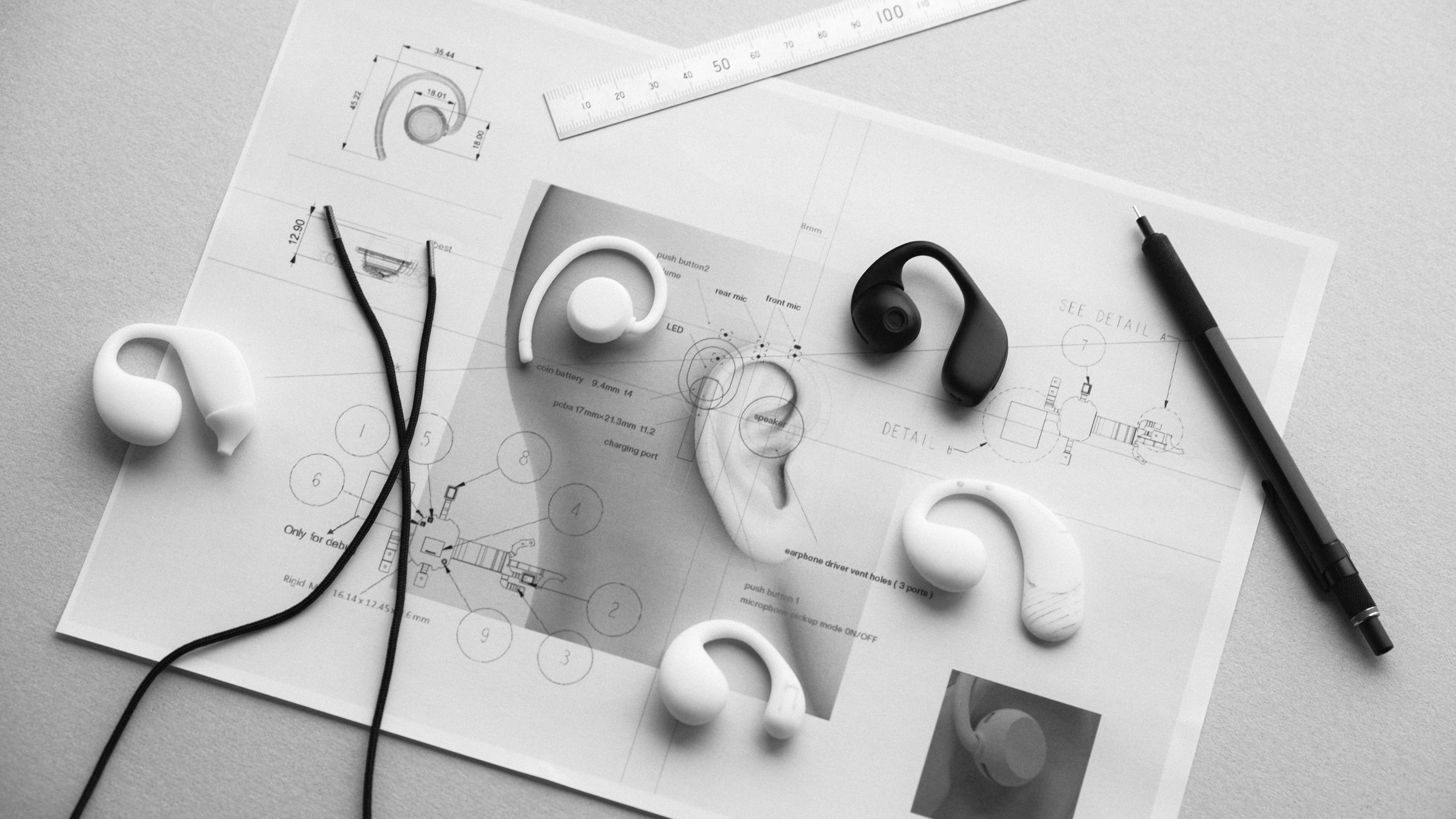
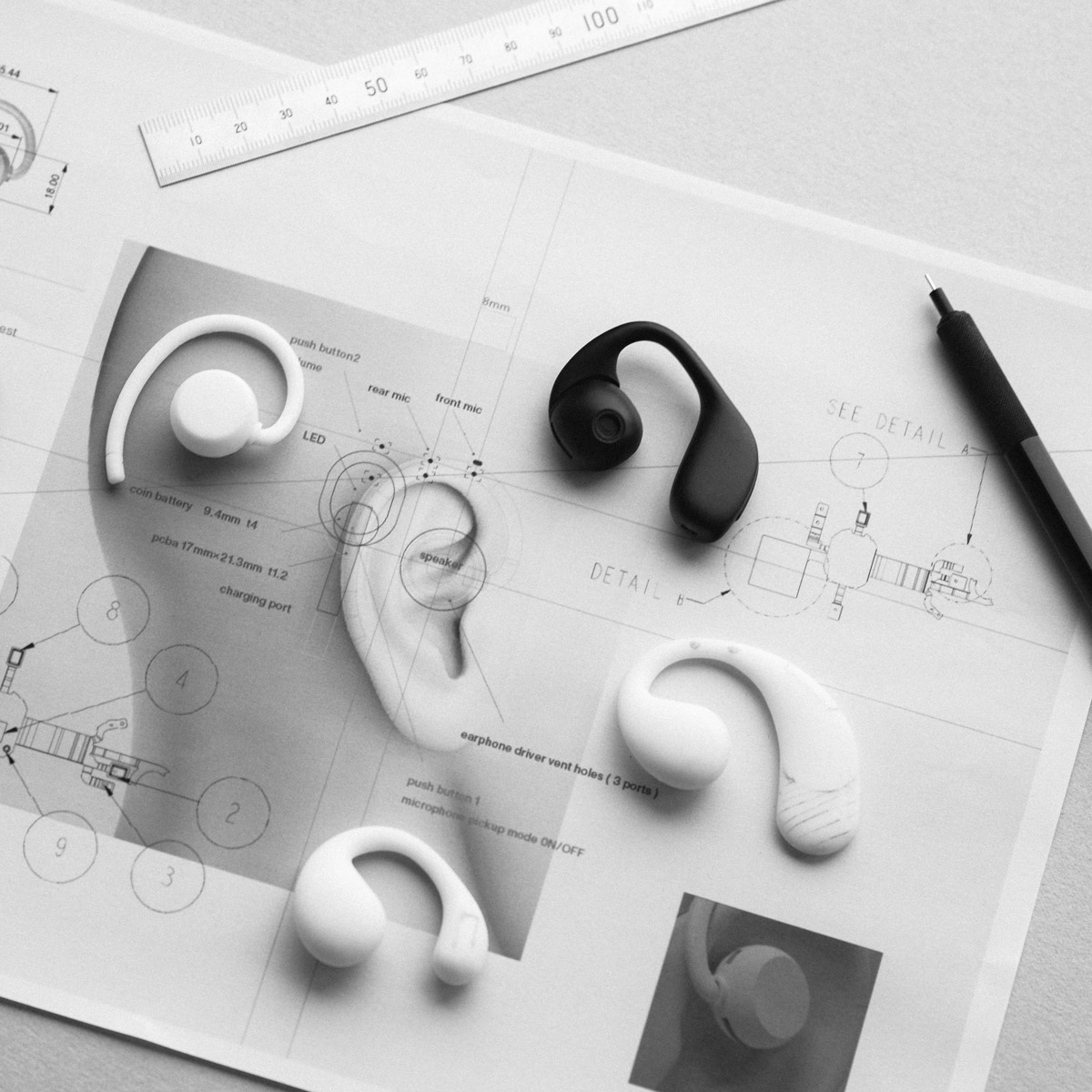
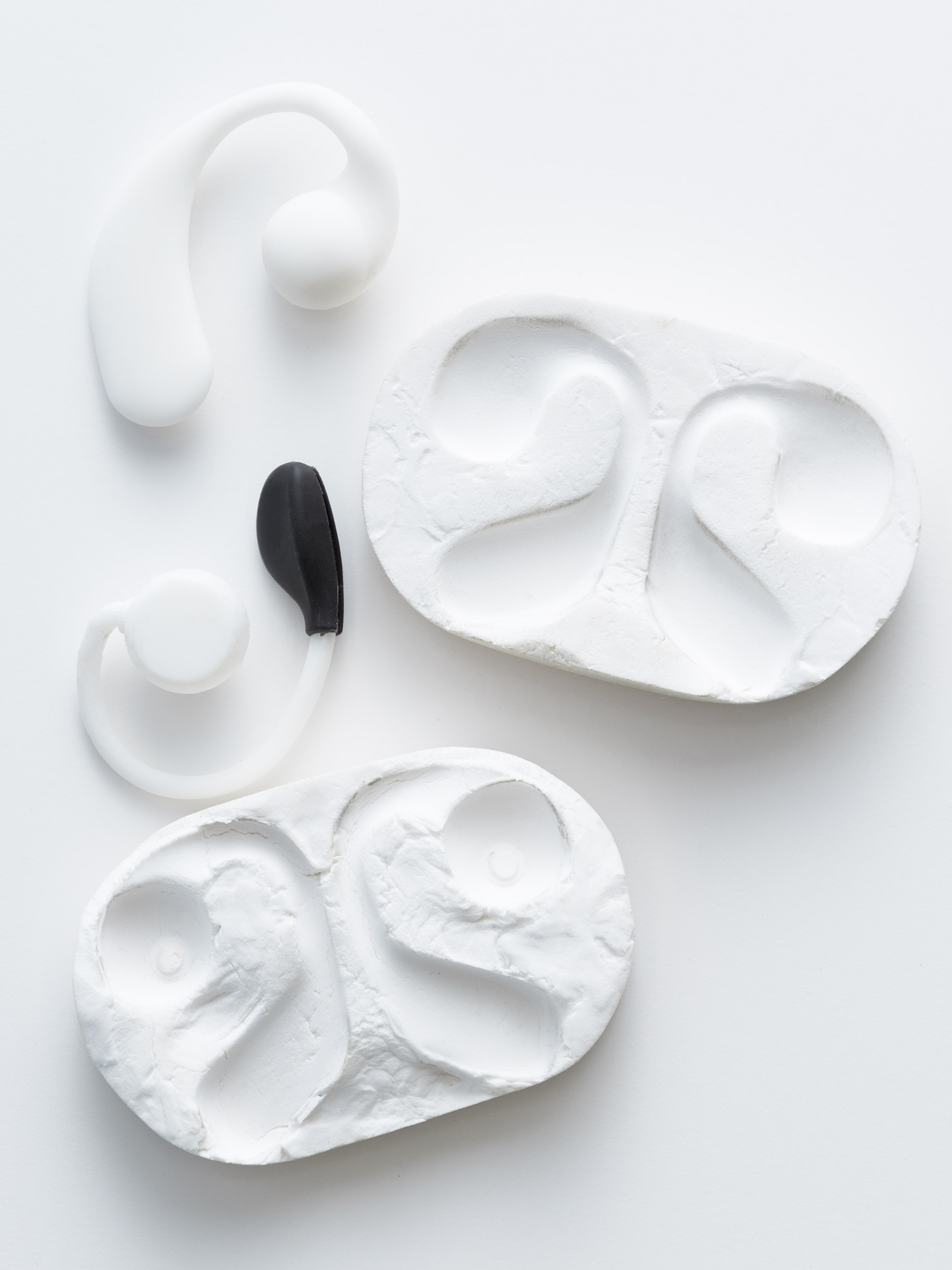
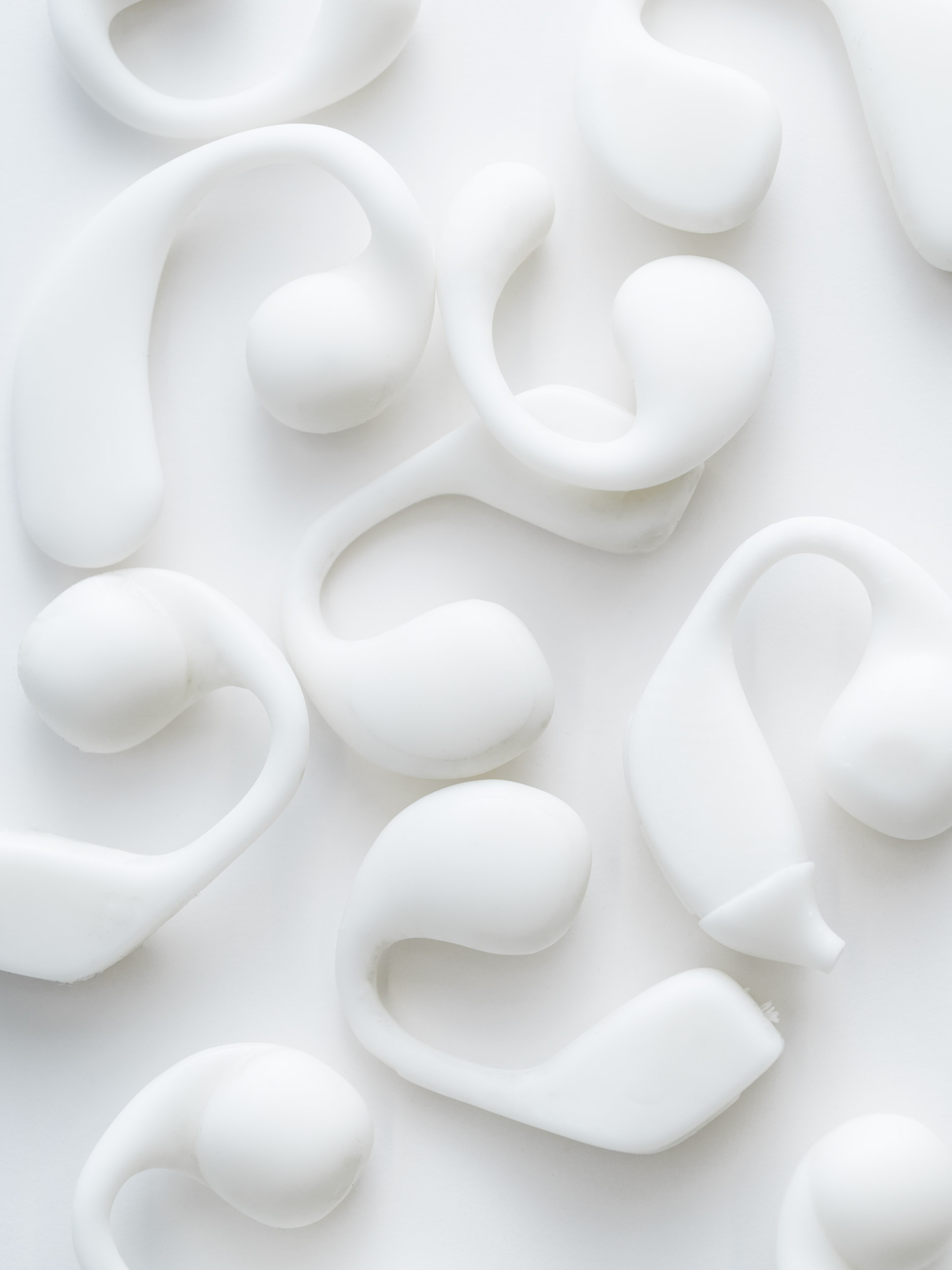
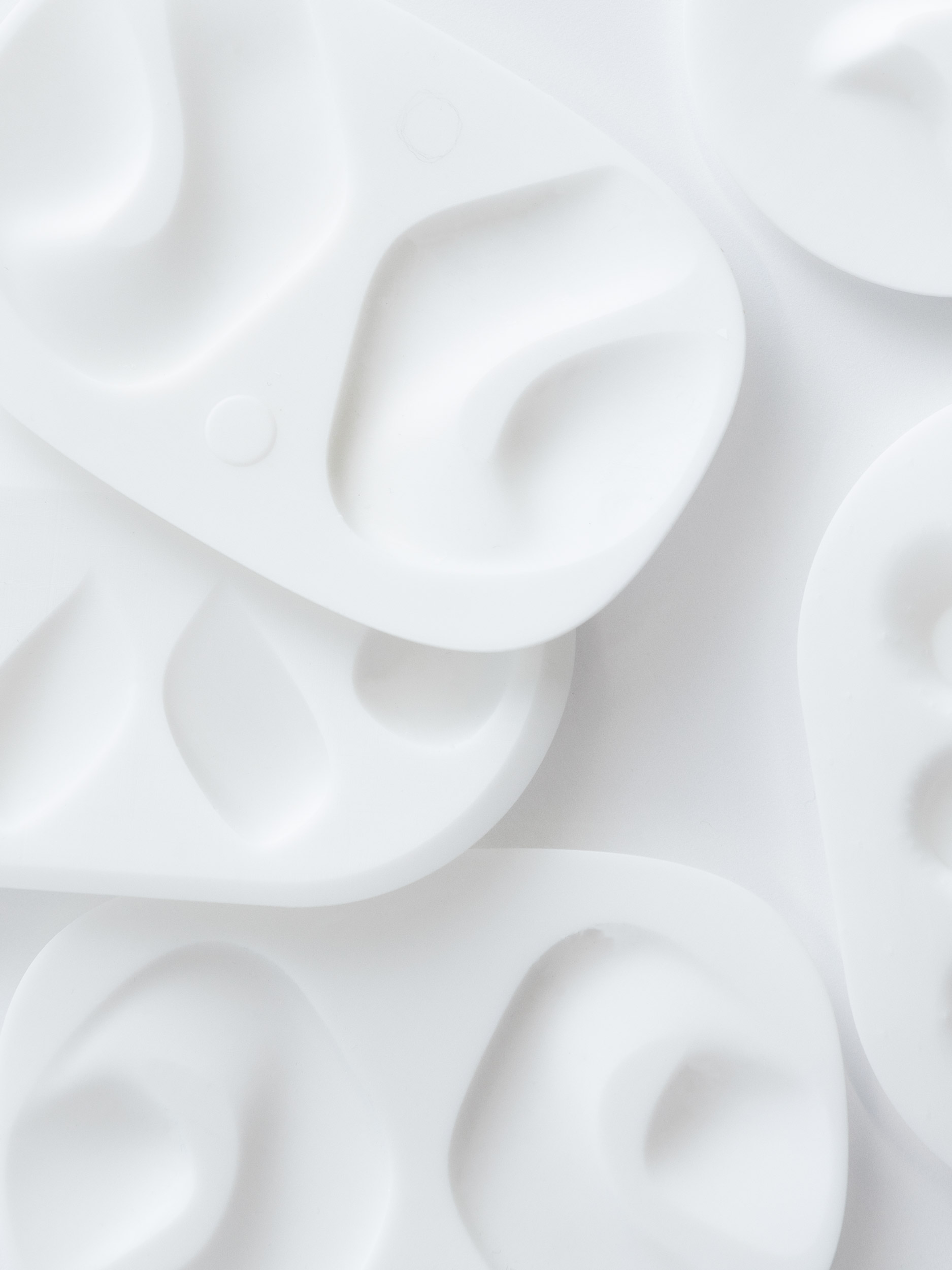
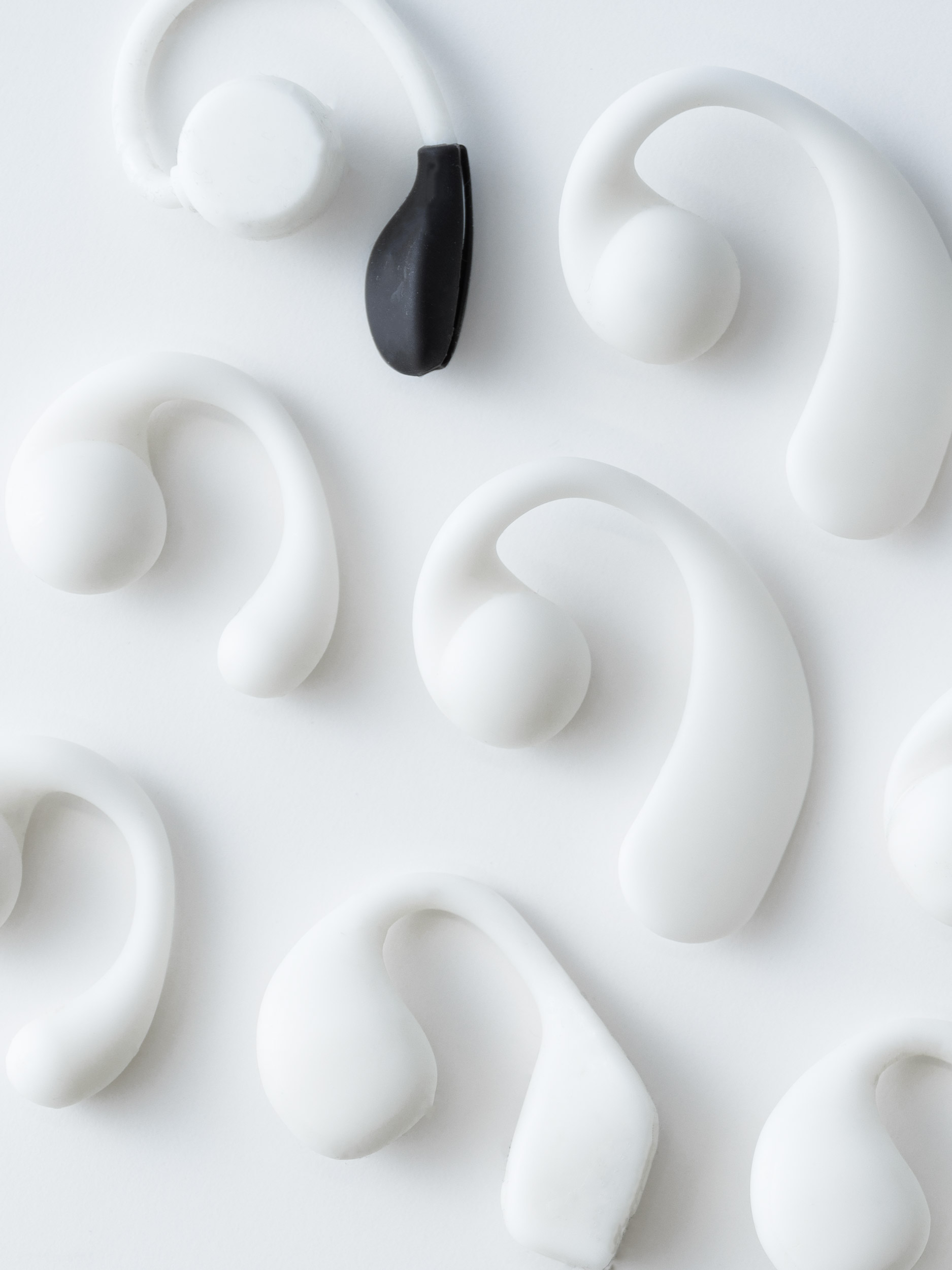
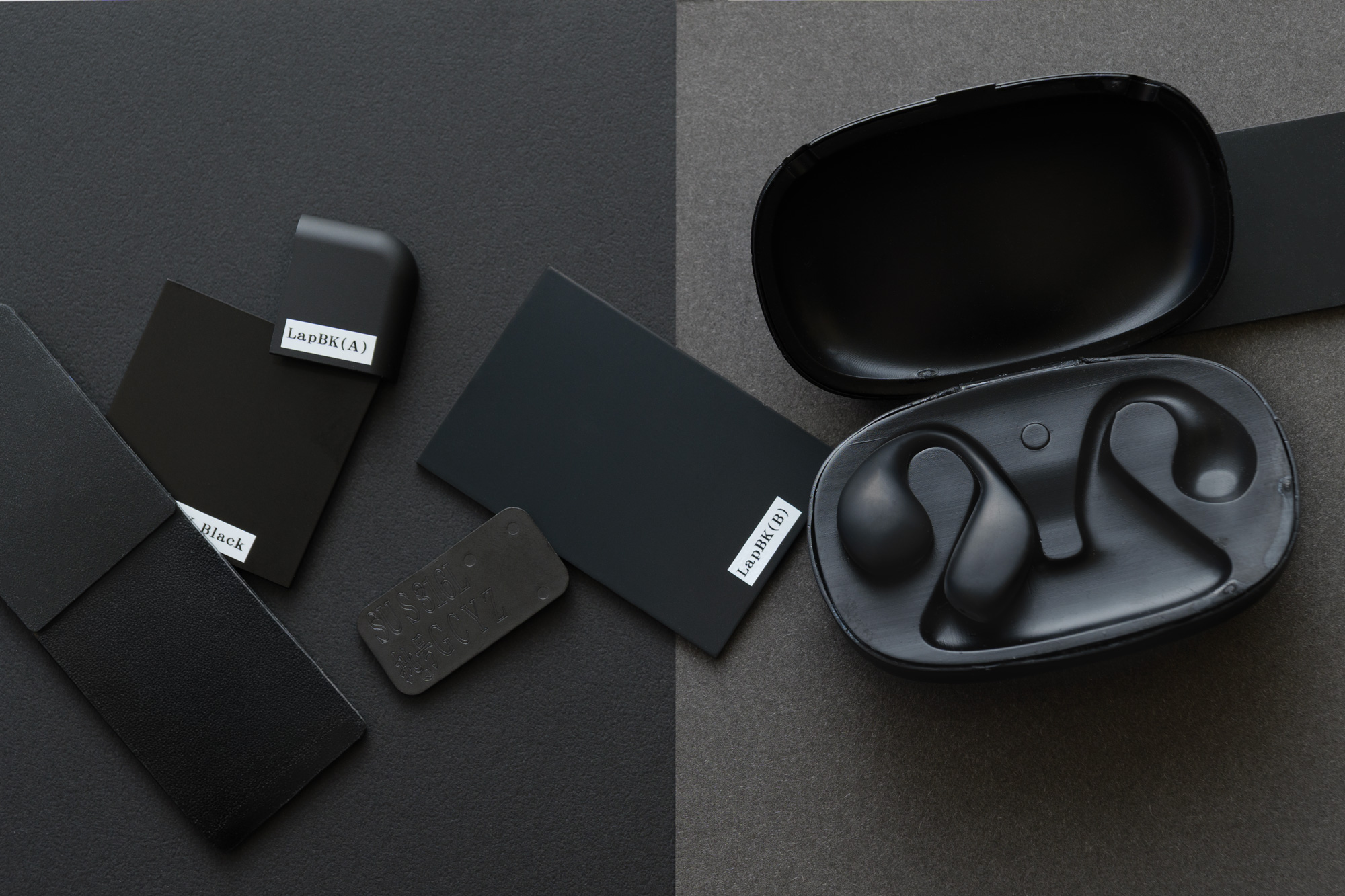
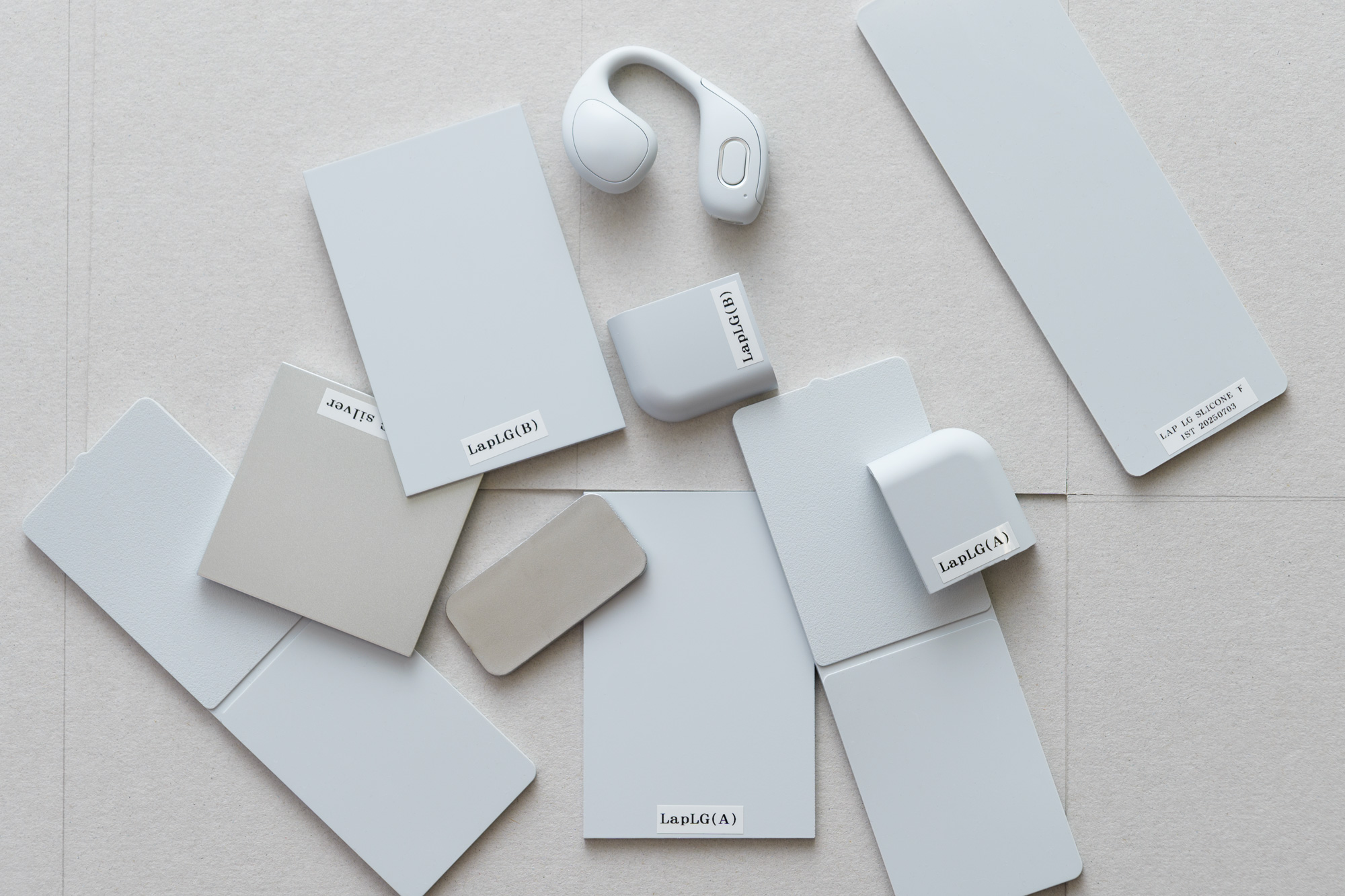
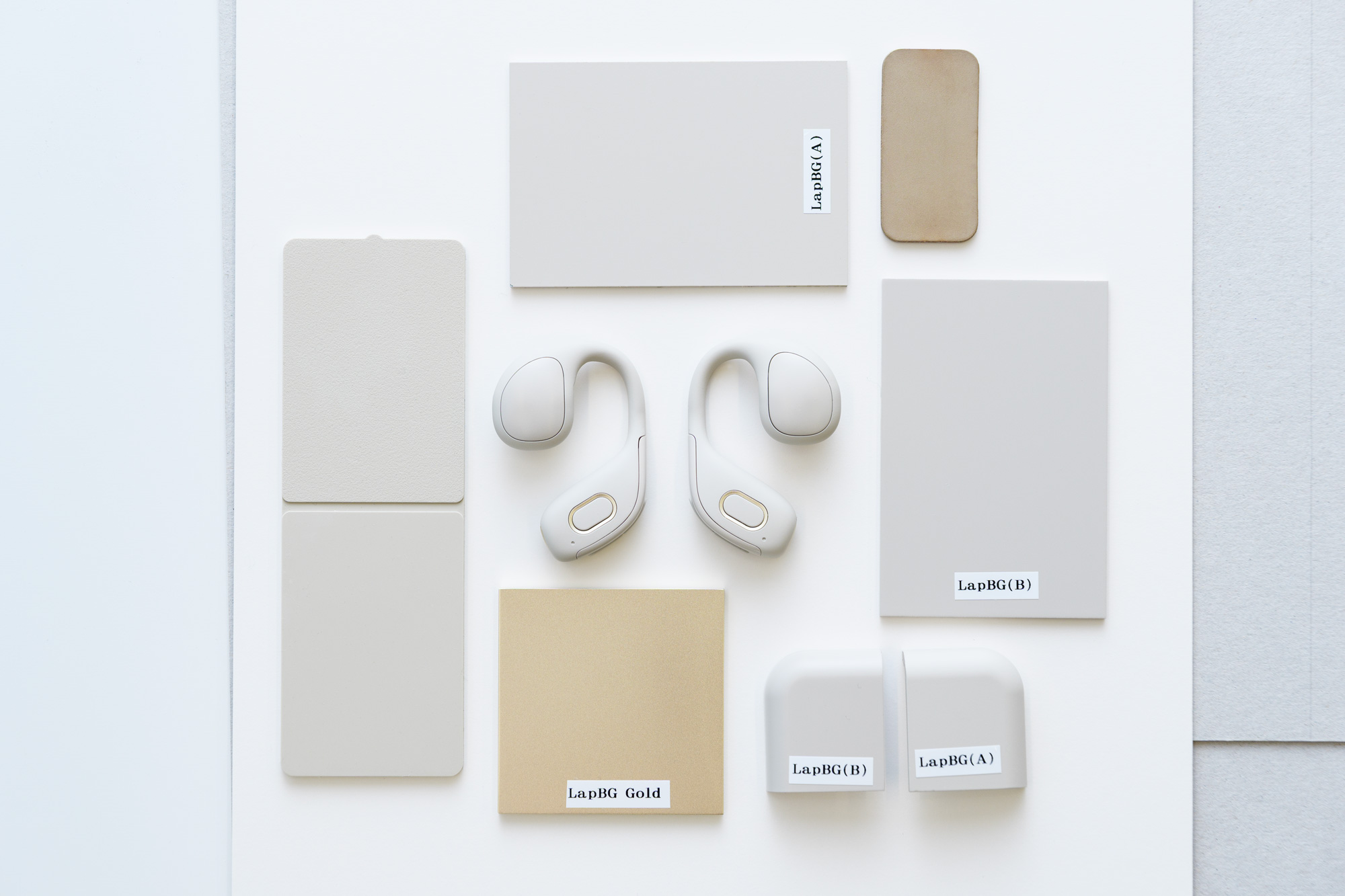
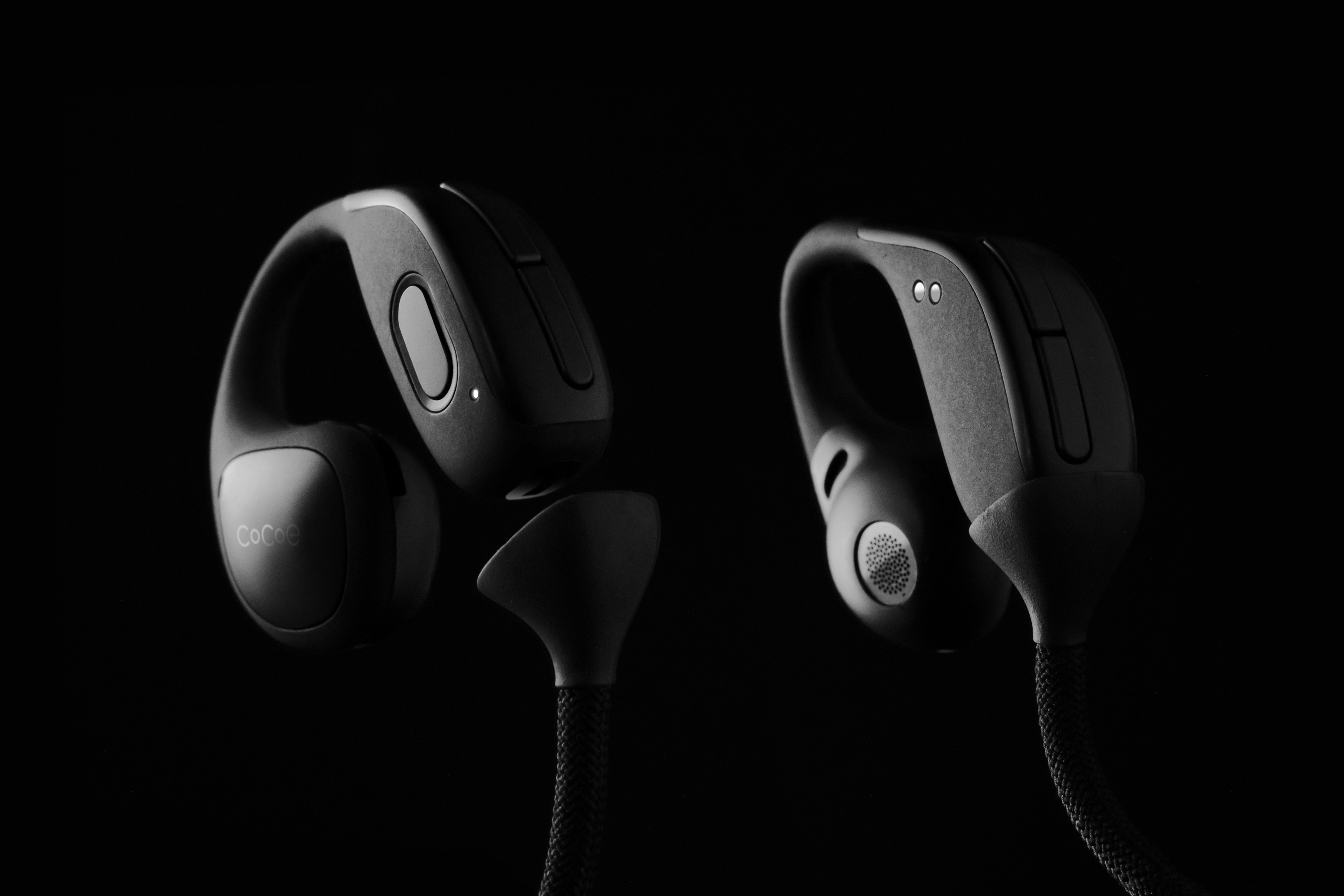
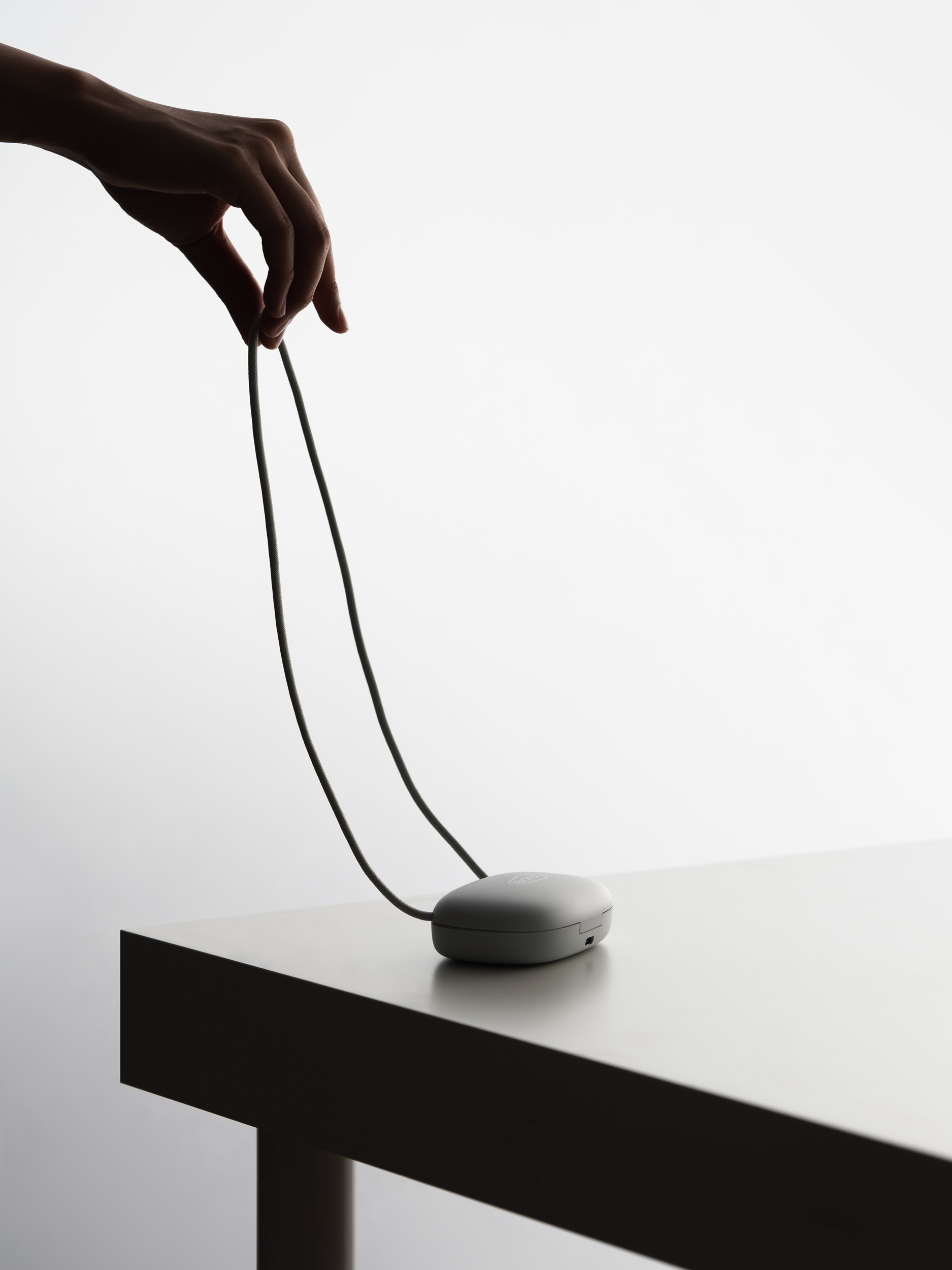
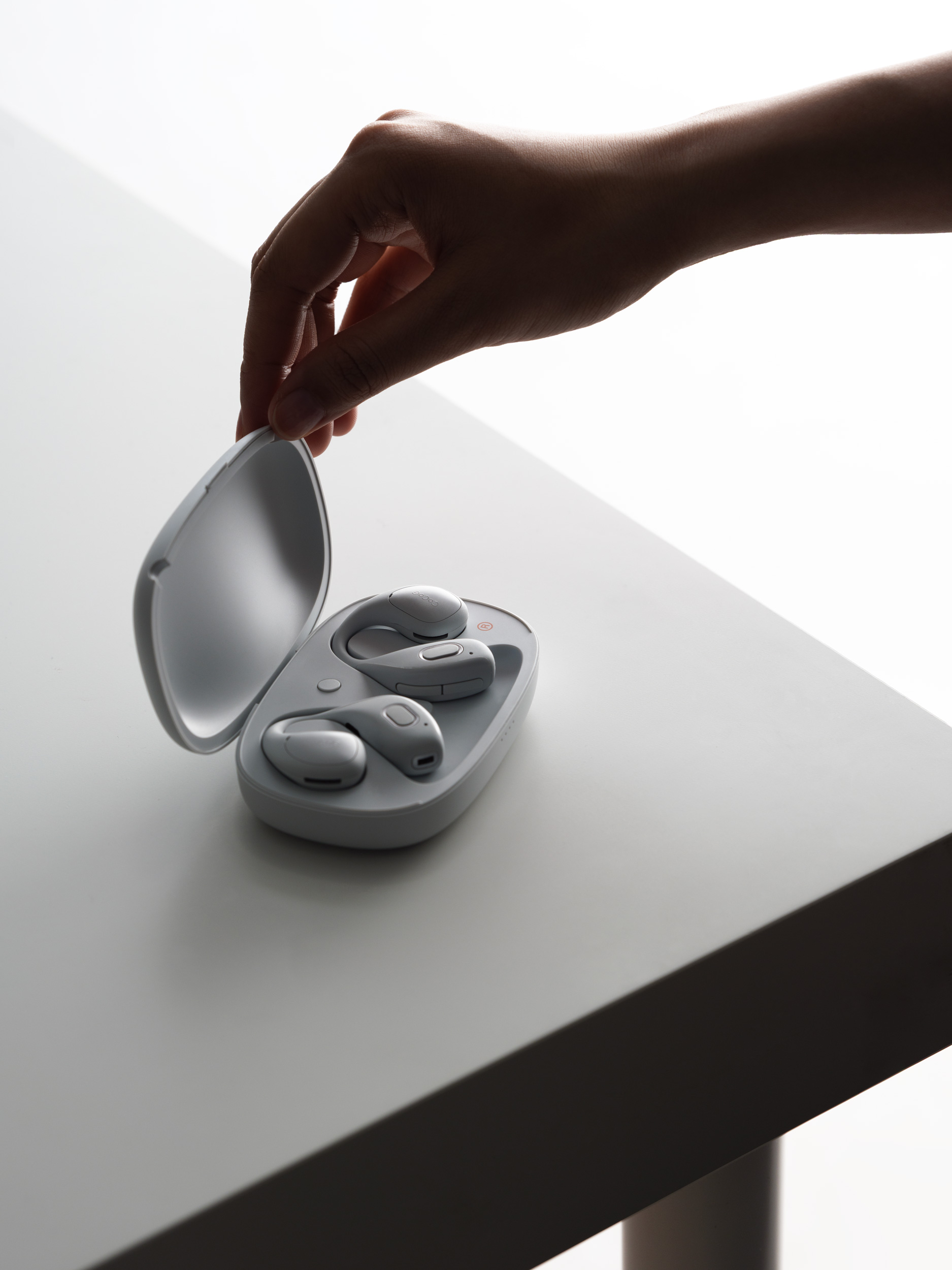
During the product development process, we conducted in-depth interviews and usability tests with primary target users—people in their 50s to 70s. Through this research, we uncovered practical insights such as concerns on the fact that fully wireless devices are easy to lose, and also the desire to quickly take out the device and use it whenever needed. Based on these insights, we adopted a detachable neck strap that allows the device to be worn securely around the neck when not in use. In the usability testing phase, multiple prototypes were prepared and extensively tested by users with a wide range of ear shapes. The findings were continuously fed back into the design process, with repeated refinements to elements such as the driver position and the overall housing geometry. Through this iterative process, we achieved an optimized fit that remains comfortable even during extended wear.
Branding
During the product development process, we conducted in-depth interviews and usability testing with the primary target users—people in their 50s to 70s. Through this research, we uncovered practical insights such as concerns that fully wireless devices might be easy to lose, and the desire to quickly take the device out and use it whenever needed. Based on these insights, we adopted a detachable neck strap that allows the device to be worn securely around the neck when not in use. In the usability testing phase, multiple prototypes were prepared and extensively tested by users with a wide range of ear shapes. The findings were continuously fed back into the design process, with repeated refinements to elements such as the driver position and the overall housing geometry. Through this iterative process, we achieved an optimized fit that remains comfortable even during extended wear.